Discover the profound joy that outdoor walks bring to dogs and their owners, transforming routine exercise into a celebration of life’s simple pleasures. These moments—filled with the scent of blooming flowers, the sight of passing birds, and the rustle of leaves—nurture mental stimulation, emotional resilience, and physical health for pets, while offering owners a precious respite from daily routines. How do these shared adventures forge stronger bonds and foster confidence in dogs? As traditional practices evolve with tailored routines, new technologies and eco-conscious innovations promise to enhance safety, engagement, and environmental responsibility. Can the future of outdoor walks deepen our connection to both our pets and nature? This exploration reveals that, beyond physical activity, these experiences nurture curiosity, trust, and resilience—reminding us that some of life’s best moments are found in the simplest acts of stepping outside together.
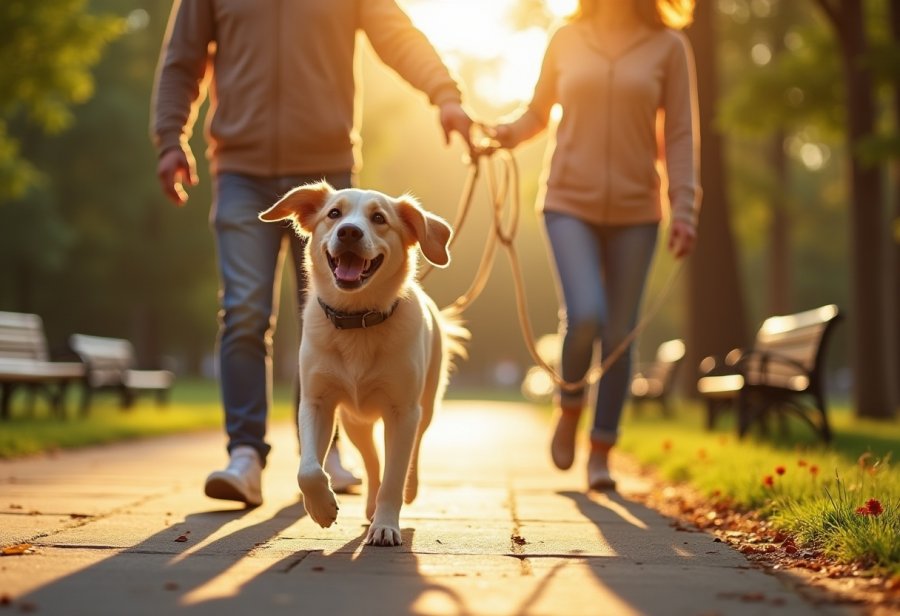
Discover the Joy and Significance of Outdoor Dog Walks
For many dog owners, outdoor walks are more than just a daily routine—they’re a vital part of a pet’s well-being. These moments outside offer a sensory-rich environment where dogs can truly engage with the world around them. Whether it’s the scent of blooming flowers, the sight of passing birds, or the sound of rustling leaves, each walk provides a chance for dogs to explore and satisfy their natural instincts. This exploration isn’t just about physical activity; it’s essential for their mental and emotional health, fostering confidence and reducing anxiety.
Walking outdoors also benefits owners just as much as their dogs. These outings offer a break from screens and indoor routines, giving space for relaxation and mindfulness. As dogs sniff, observe, and respond to their surroundings, owners get the opportunity to slow down and enjoy a shared moment of calm. These walks become more than a task—they turn into a bonding ritual that deepens trust and affection. Watching a dog’s joyful reactions, from tail wagging to curious nose dives, highlights how simple outdoor adventures can strengthen the human-animal connection.
Beyond the immediate joy, regular outdoor walks support a dog’s overall health. They promote physical fitness by helping maintain a healthy weight and strengthening muscles, especially for breeds prone to joint issues. Additionally, these walks help regulate energy levels, reducing hyperactivity and destructive behaviors caused by boredom. For owners, staying active alongside their pets transforms routine exercise into an opportunity for mutual well-being, making every outing both enjoyable and beneficial.
These outdoor moments also serve as vital opportunities for socialization. Encounters with other dogs, people, and diverse environments help dogs develop better social skills and resilience. For owners, exploring parks or busy streets fosters a sense of community and shared purpose. As dogs learn to navigate new sights and sounds, they become more confident, and their owners grow more comfortable managing unfamiliar situations. This mutual development makes each walk a step toward a more balanced, happy life for both.
Ultimately, outdoor walks are about more than just physical activity—they’re a celebration of life’s simple pleasures. They allow dogs to thrive in stimulating environments while offering owners moments of reflection and joy. By stepping outside together, both pet and owner embrace a routine that nurtures trust, curiosity, and happiness. These shared adventures remind us that some of life’s best moments come from the simplest acts—walking side by side through nature’s beauty.
Uncover the Mental and Physical Benefits of Outdoor Adventures
Outdoor walks do wonders for a dog’s mental health, offering endless opportunities for sensory engagement. As dogs explore new environments filled with unfamiliar scents, sights, and sounds, their minds stay sharp and stimulated. This mental stimulation helps prevent boredom, which can otherwise lead to behavioral issues like excessive barking, chewing, or digging. When dogs investigate their surroundings during a walk, they build confidence and learn to manage anxiety, often becoming calmer and more relaxed at home.
Physical exercise is another key benefit that naturally accompanies outdoor walks. Regular outings help dogs maintain a healthy weight, strengthen muscles, and support joint health—especially for older dogs or those prone to joint problems. Moving through different terrains and distances burns off excess energy, reducing hyperactivity and destructive tendencies caused by boredom or pent-up frustration. For owners, these walks are a simple yet effective way to stay active, turning routine exercise into shared moments of health and vitality.
The emotional bond between dogs and owners deepens through these outdoor experiences. As dogs venture into unfamiliar environments, they learn to trust their owners to keep them safe and guide them through new sights and sounds. Positive interactions—like praise, treats, or shared joy—during walks reinforce feelings of security and affection. Over time, these shared adventures become rituals that foster mutual trust and deepen emotional connections, making the bond more resilient and meaningful.
Socialization also flourishes on outdoor walks. Encounters with other dogs, people, and different settings help dogs develop better social skills and confidence. For owners, these interactions create a sense of community and belonging, turning walks into opportunities for connection beyond just the pet. As dogs navigate diverse environments with ease, they become more adaptable and resilient, qualities that benefit their overall well-being and the owner’s peace of mind.
Natural settings like parks and trails amplify these benefits, providing a calming backdrop that urban environments often lack. The rustling leaves, fresh air, and scenic views stimulate a dog’s senses and promote a sense of well-being. Watching a dog thrive amid nature adds a layer of joy and satisfaction, transforming routine walks into meaningful moments of discovery. For owners, this outdoor connection nurtures a deeper appreciation for the environment and the simple pleasures of life outside.
These walks also support mental resilience by helping dogs learn to cope with different stimuli and environments. Repeated exposure to varied sights and sounds fosters adaptability and emotional strength, making dogs more comfortable in unfamiliar situations. This resilience translates into a calmer, more well-rounded pet that enjoys exploring new places and facing challenges with confidence.
In essence, outdoor walks serve as a foundation for a dog’s happiness and health. They enhance mental clarity, physical fitness, and emotional resilience, all while strengthening the human-animal bond. These moments of outdoor exploration are more than just exercise—they’re opportunities for growth, trust, and shared joy. When you embrace these routines, you create a space where both you and your dog can thrive, bond, and enjoy the simple pleasures of life outside.
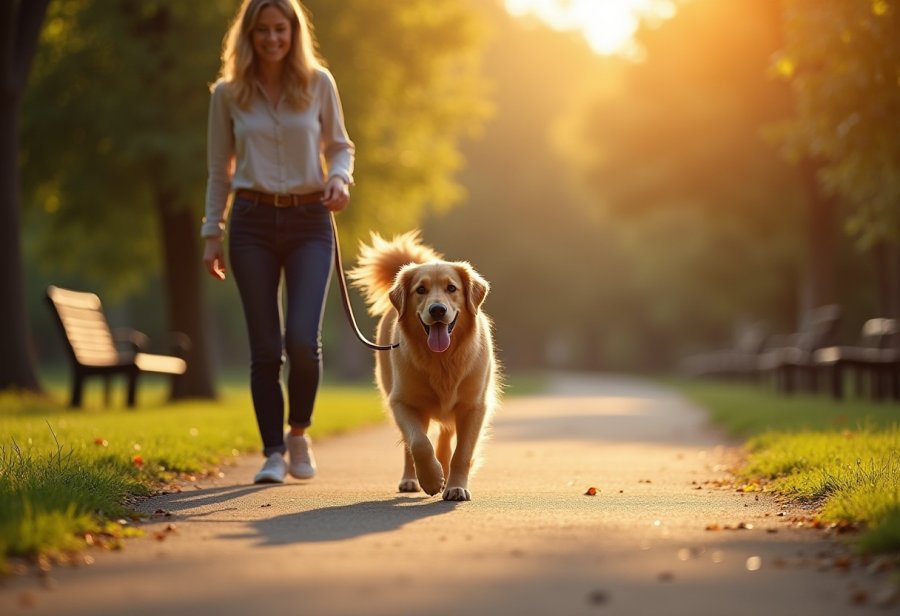
Explore Diverse Walking Routines and Styles for Every Dog and Owner
Many dog owners tailor their walking routines to match their pet’s breed, energy level, and daily schedule. For high-energy breeds like Border Collies or Australian Shepherds, brisk, structured walks are common, often combined with activities like fetch or obedience exercises that help burn off excess energy and stimulate their minds. Smaller or more relaxed dogs tend to prefer gentle strolls, focusing on exploring the neighborhood or parks at a leisurely pace, with plenty of time for sniffing and observing their surroundings.
Adventure hikes are increasingly popular among owners who enjoy nature and want their dogs to experience more immersive outdoor adventures. These walks involve trails, uneven terrains, and scenic views, giving dogs the chance to explore in a richer environment. Conversely, urban walks emphasize city streets, where dogs encounter a variety of sights, sounds, and smells—bustling cafes, passing cars, and busy pedestrians. Both styles serve different needs: urban outings boost socialization skills, while trail walks in parks or forests provide mental stimulation and physical variety.
Many owners incorporate training exercises into their walks, practicing commands like “sit,” “stay,” or “leave it” amidst distractions. This not only improves focus but also enhances behavior and responsiveness. Technology also plays a role, with GPS trackers and activity monitors helping owners log exercise, set goals, and ensure their dogs get enough activity. Changing routes regularly or visiting new parks keeps routines fresh, preventing boredom and encouraging curiosity for dogs and owners alike.
The environment where these walks take place varies widely, from open parks to busy city streets and quiet trails. Parks offer space for running and social interactions, while urban settings expose dogs to urban sights, sounds, and smells that aid in socialization. Natural trails immersed in greenery provide a calming atmosphere that stimulates the senses and offers mental rest. Even familiar sidewalks lined with flowers or shaded by trees can turn routine walks into small adventures, each offering something new to discover.
Flexibility is key to making outdoor walks enjoyable and effective. Varying routes, paces, and activities helps keep both dog and owner engaged, supporting their physical and mental health. Some days may call for quick, energetic outings, while others suit longer explorations or nature adventures. Listening to your dog’s cues—whether they’re tired, distracted, or overstimulated—ensures each walk remains a positive experience.
Incorporating socialization into walks is essential for well-rounded dogs. Encounters with other dogs, people, and different environments help them develop better social skills and confidence. For owners, these interactions foster a sense of community and shared purpose. Exploring diverse environments, whether a bustling city block or a quiet forest, builds resilience and adaptability in dogs, making them more comfortable in unfamiliar situations.
Ultimately, the key is to adapt routines to your dog’s needs and your lifestyle. Mixing familiar routes with new environments, integrating play and training, and embracing different terrains enrich the walking experience. These varied routines not only promote physical health but also strengthen the bond between owner and pet, turning everyday outings into joyful, meaningful moments of discovery and connection.
Transform Ideas into Practical, Enjoyable Walking Practices
Turning the idea of joyful outdoor walks into a practical routine starts with understanding your dog’s unique needs. Consider factors like breed, age, and energy level when planning each outing. For high-energy breeds, brisk walks combined with play or obedience exercises help burn off excess energy and keep their minds engaged. Smaller or more relaxed dogs benefit from gentle strolls focused on exploring at a comfortable pace, allowing plenty of time for sniffing and observing. Matching the route length and intensity to your dog’s cues ensures each walk remains enjoyable and beneficial.
Varying your routes and environments keeps walks fresh and stimulating. Switching between parks, trails, or different neighborhoods exposes your dog to new sights, sounds, and smells, preventing boredom and encouraging curiosity. Including different terrains—such as grass, dirt paths, or gentle inclines—adds physical variety and light challenges. Pay close attention to your dog’s body language; if they seem tired or distracted, adjust the pace or shorten the walk. Flexibility is key to maintaining a positive experience for both of you.
Incorporating positive reinforcement during walks makes a meaningful difference. Praise your dog when they walk calmly on a loose leash, and reward focused behavior with treats or toys. This approach reinforces good habits and transforms walks into enjoyable training moments. Establishing a consistent routine, such as walking at the same time each day, helps your dog anticipate and look forward to outings. This predictability fosters trust and makes outdoor walks a dependable part of your daily life.
Managing distractions like other dogs, traffic, or wildlife can be challenging, but gradual exposure and patience help. Practice focus exercises at home, then introduce distractions slowly during walks. Reward your dog for paying attention to you, and use short breaks or toys to regain their focus when needed. This steady approach builds your dog’s confidence and keeps walks safe, relaxed, and fun. Remember, each outing is an opportunity to reinforce training and deepen your bond.
Finally, adapt your routine as your dog’s needs change over time. Some days may call for quick, energetic outings, while others benefit from longer explorations or nature adventures. Weather conditions, health, and mood all influence what’s best on any given day. By staying attentive and flexible, you turn routine walks into meaningful, joyful experiences that support your dog’s well-being and strengthen your connection. With thoughtful planning and positive engagement, outdoor walks become more than just exercise—they become cherished moments of discovery and companionship.
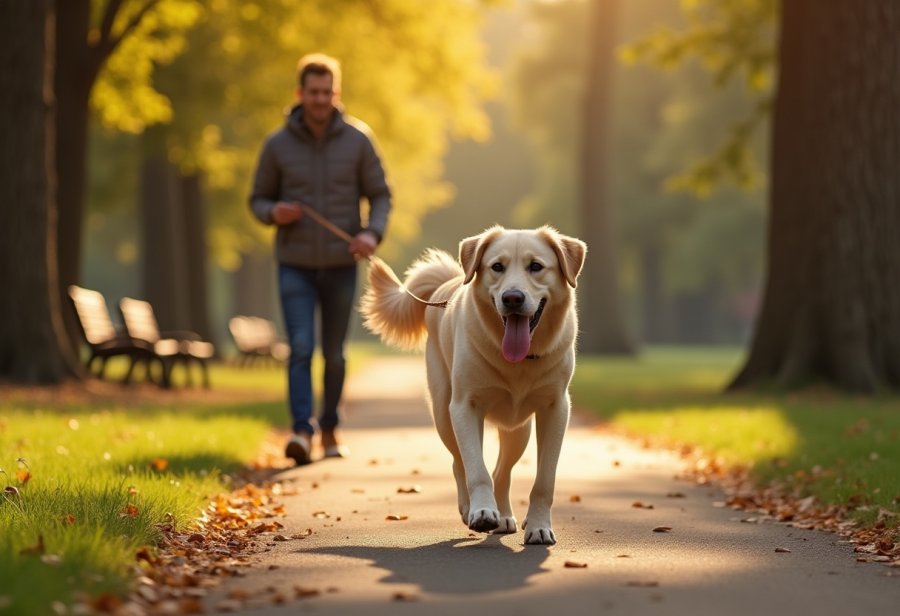
Embrace Future Innovations and Eco-Friendly Trends in Dog Walking
Emerging trends in outdoor dog walks are blending technology and environmental consciousness to shape a more mindful and innovative future. Smart collars, GPS trackers, and activity monitors are becoming common tools for owners seeking to keep their pets safe and active. These devices provide real-time insights into a dog’s location, activity levels, and overall health, making it easier to tailor walks that meet individual needs while ensuring safety, even in off-leash settings. At the same time, eco-friendly gear crafted from sustainable materials is gaining popularity, allowing owners to enjoy outdoor adventures with a lighter environmental footprint. This shift reflects a broader awareness that caring for our pets involves respecting and protecting the natural spaces we share.
Digital tools are transforming how we plan and experience outdoor outings. Mobile apps now suggest routes based on breed, energy level, and local parks or trails, turning routine walks into opportunities for discovery. Many include features for logging activity, setting goals, and connecting with local pet communities, fostering social engagement. This integration of technology encourages a more intentional approach to outdoor time, emphasizing quality over quantity and helping owners cultivate meaningful connections with their dogs and surroundings.
The spaces designed for outdoor walks are also evolving. Parks and natural reserves are investing in sustainable infrastructure—eco-friendly trails, waste management stations, shaded rest zones—making outdoor environments more inviting and responsible. These improvements motivate owners to explore new areas, supporting a culture of conservation and shared stewardship. Community-led events like eco-focused group walks or conservation projects further promote responsible pet ownership, blending enjoyment with environmental awareness.
Looking ahead, innovations in training and socialization are poised to expand. Virtual and augmented reality tools may someday simulate environments or scenarios, preparing dogs for urban or rural settings they haven’t experienced yet. Smarter fencing and monitoring systems are expanding off-leash zones, offering dogs more freedom while maintaining safety. These developments aim to make outdoor walks not only safer but also more enriching, inclusive, and adaptable to diverse lifestyles and needs.
Staying open to these new possibilities means embracing change and curiosity. By adopting emerging technologies and supporting sustainable practices, owners can deepen their outdoor experiences. Exploring novel routes, engaging with community initiatives, and integrating smarter safety measures will enhance the joy, safety, and connection that outdoor walks provide. This future envisions a world where outdoor adventures are tailored, responsible, and filled with discovery, strengthening the bond between dogs, their owners, and the environment.