Learning to ride a bike symbolizes more than just physical skill; it’s a profound lesson in courage, perseverance, and family bonds. As children wobble, fall, and eventually glide with confidence, they discover that setbacks are part of growth—raising a vital question: does the fear of falling outweigh the thrill of independence? This journey is rich with emotional milestones, where support from loved ones transforms nervousness into pride and resilience. The process teaches children not only balance and coordination but also trust in themselves and their support system. Every fall becomes a stepping stone toward self-reliance, shaping a mindset that embraces challenges with persistence. This shared experience deepens family connections, illustrating that success is rooted in patience, encouragement, and trust. Ultimately, learning to ride a bike becomes a metaphor for facing life’s obstacles with courage, making it an empowering story about growth, resilience, and the unbreakable bonds that support us along the way.
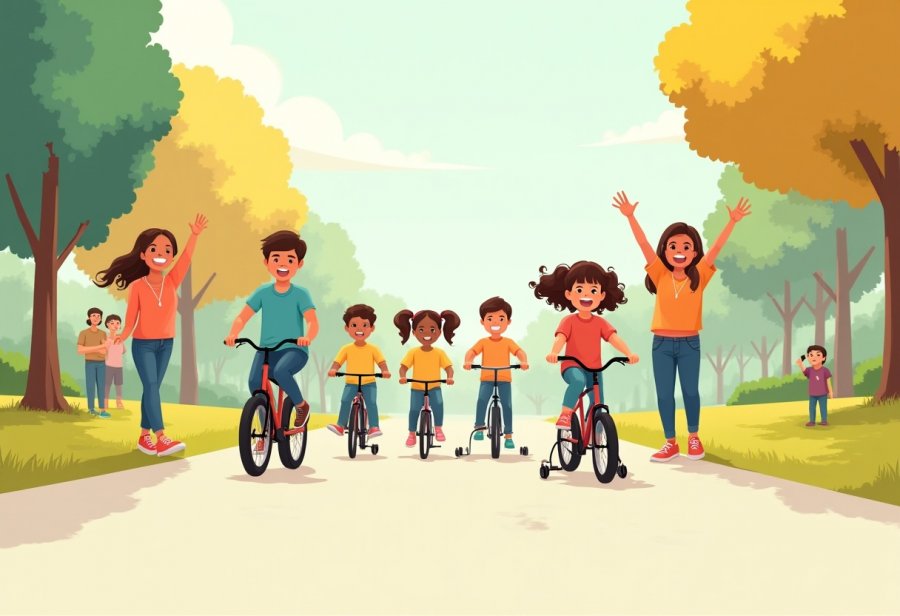
Discover the Power of Learning to Ride: A Symbol of Courage and Family Bonding
Learning to ride a bike is more than just mastering a new skill; it’s a milestone that brings families together and teaches valuable lessons about courage and trust. Those first shaky wobbles on two wheels are often filled with nervous anticipation, but they also mark the beginning of a shared journey. Parents and kids alike experience a mix of excitement and patience as they navigate this rite of passage, turning a simple act into a memorable bonding moment.
This process is a vivid symbol of facing fears and embracing independence. When children push off for the first time, supported by encouraging words and steady hands, they learn that stepping outside their comfort zone can lead to growth. Each small success, from balancing to pedaling, becomes a source of pride that boosts confidence and nurtures resilience. These moments are more than about riding; they’re about building trust—trust in themselves and in those who support them.
Families often gather in safe, open spaces like parks or quiet streets to foster this learning. These environments provide the freedom for kids to practice without pressure, making falls and setbacks part of the natural learning curve. The shared effort—whether it’s a parent jogging beside their child or siblings cheering from the sidelines—reinforces the idea that growth is a team effort. It’s these collective experiences that deepen bonds and lay the foundation for ongoing confidence.
The emotional weight of learning to ride transcends physical skills. It’s about cultivating a mindset that setbacks are opportunities, not failures. When children see their fears met with patience and encouragement, they learn persistence and develop a positive attitude toward challenges. Over time, each wobble and fall becomes a stepping stone, transforming nervousness into excitement and uncertainty into independence.
In the end, learning to ride a bike becomes a powerful lesson in courage, family support, and perseverance. It’s a moment that reminds us all that growth involves taking risks and trusting those around us. As children pedal forward, they carry with them not only new skills but also a sense of bravery and resilience that will serve them well in many other areas of life.
Navigate the Stages of Riding: The Emotional Journey from Wobbles to Confidence
Learning to ride a bike is a journey filled with both physical challenges and emotional shifts. It all begins with the initial effort to balance, which can feel awkward and unstable at first. Kids often wobble from side to side, sometimes even tumbling, and these moments can be discouraging. But patience is key—allowing children time to get comfortable with holding their balance and coordinating their movements helps turn frustration into progress. With consistent practice and gentle encouragement, those early wobbles gradually give way to smooth glides, boosting their confidence step by step.
Once balance is established, pedaling becomes the next obstacle. This requires coordination, strength, and rhythm—skills that take time to develop. Children often struggle to find the right pace, pedaling too slowly or too quickly, which can lead to more frustration. Every attempt, whether successful or not, adds to their skill set. Kids learn that falling isn’t a failure but part of mastering the bike. With each try, they build muscle memory, making their pedaling more confident and fluid.
The emotional rollercoaster during this process is undeniable. Nerves, near falls, and hesitation can spark doubts, but these feelings are mixed with moments of joy and pride—like when a child manages to pedal a few meters without wobbling or makes their first turn alone. Celebrating these small victories helps them see their progress and stay motivated. Support from family—cheering them on or steadying the bike—turns initial fears into curiosity and resilience, making riding more enjoyable.
As children improve, they realize that falling is simply part of learning. Each tumble becomes an opportunity to get better, not a sign of failure. Children need reassurance that setbacks are normal and that persistence matters. This mindset encourages resilience and a growth attitude, which benefits them far beyond the bike. Accepting that mistakes are part of the process helps foster confidence and a positive outlook on challenges.
The mental aspect of learning to ride is just as important as the physical. Kids start to see themselves as capable and brave as they overcome their fears. The nervousness diminishes as they realize they can control the bike and steer in different directions. This sense of independence encourages exploration and pushing boundaries, reinforcing their belief that they can handle new challenges. These emotional milestones—moving from fear to confidence—are vital in their development.
Throughout this journey, a supportive family environment makes a big difference. When parents and siblings cheer on every effort—whether it’s balancing longer or pedaling faster—the emotional bonds deepen. These shared moments of encouragement turn physical effort into a bonding experience. Over time, children learn that setbacks are normal and that with perseverance and support, they can master not only the bike but also other challenges in life.
In essence, learning to ride a bike is more than just acquiring a skill; it’s a lesson in resilience, patience, and trust. Every wobble, fall, and comeback teaches children that growth involves setbacks and recoveries. With patience, encouragement, and persistence, they develop confidence and independence that will serve them in many areas of life. This journey on two wheels becomes a powerful metaphor for facing challenges with courage and support.
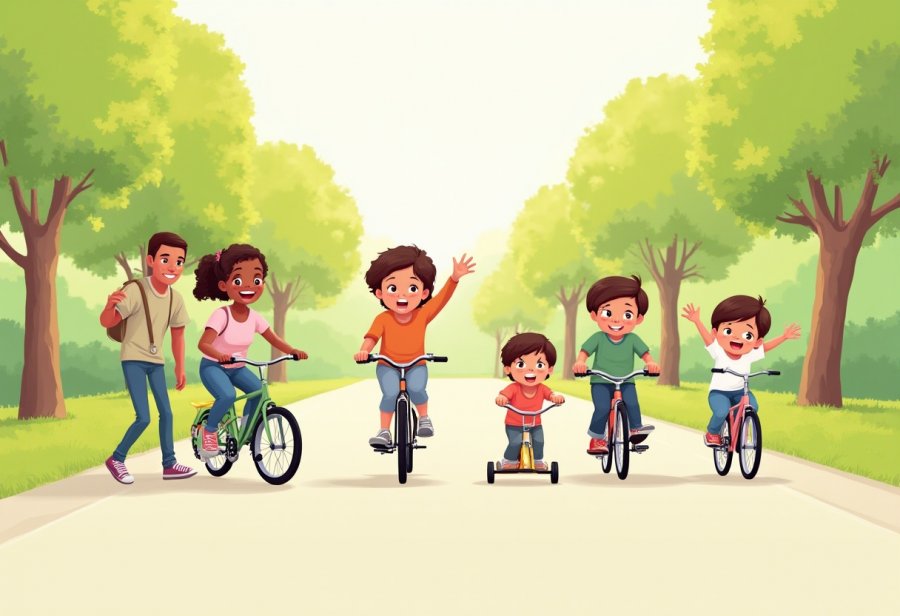
Build Confidence and Strengthen Bonds: The Emotional and Social Impact of Learning to Ride
Learning to ride a bike goes beyond developing physical coordination; it profoundly shapes a child’s emotional confidence and their relationships within the family. Successfully balancing and pedaling on their own gives children a genuine sense of achievement, reinforcing their belief in their abilities. These small victories—riding further, turning confidently, or simply staying upright longer—help them see themselves as capable and brave, fostering a growth mindset that extends into other areas of life.
Family support plays a crucial role in amplifying these emotional gains. When parents and siblings cheer each effort, from those first wobbly attempts to confident rides, it nurtures a sense of teamwork and trust. These shared moments of encouragement and celebration deepen emotional bonds and create a supportive environment where children feel valued and understood. This foundation of love and reassurance makes the learning process less intimidating and more uplifting.
As children gain confidence on two wheels, their independence naturally grows. They start exploring more freely, making decisions about routes, speeds, and destinations. This autonomy nurtures self-reliance and instills a sense of control over their experiences. These early acts of managing their own rides become a stepping stone for tackling challenges in school, social settings, and beyond, equipping them with resilience and a positive attitude toward new obstacles.
The emotional rollercoaster involved in learning to ride teaches kids that setbacks are normal and manageable. When parents help them see falls and frustrations as part of growth rather than failures, it encourages resilience. Children learn that persistence and effort matter more than perfection, cultivating a mindset that embraces challenges and celebrates progress. This attitude not only benefits their riding skills but also prepares them to face future hurdles with confidence.
Ultimately, learning to ride a bike becomes a powerful lesson in trust—trust in oneself and in the support network around them. Each small success reinforces their belief that they can overcome fears and setbacks. These moments of triumph build lifelong confidence, empowering children to approach life’s challenges with courage and resilience. The emotional and social growth they experience during this journey leaves a lasting imprint, shaping resilient individuals ready to pedal forward into whatever lies ahead.
Practical Strategies for Success: Techniques to Teach Kids How to Ride Safely and Confidently
Teaching kids to ride a bike isn’t just about handing over a helmet and hoping for the best; it’s about creating a supportive, step-by-step process that builds confidence safely. Start with a bike that fits your child’s size—too big or too small can make learning frustrating or even unsafe. Always make sure they wear protective gear, including a helmet, to minimize injuries, especially during those wobbling early days when falls are almost inevitable.
Choosing the right environment can make a big difference. Flat, open spaces like parks or quiet driveways give children the freedom to practice without the pressure of traffic or hard surfaces. Soft ground, like grass, cushions falls and helps kids focus on balancing and pedaling without added stress. For beginners, training wheels can provide initial stability, but gradually removing them encourages more natural riding skills and independence.
Support your child with gentle hands—holding the seat or handlebars just enough to steady them without controlling every move. Let them take the lead by encouraging upright posture, looking ahead, and pedaling steadily. Celebrate each effort, whether they manage a few meters or a full lap; positive reinforcement turns learning into a fun experience rather than a chore. Remember, patience is key—every child learns at their own pace, and rushing can cause frustration.
Breaking the process into small, achievable goals helps maintain motivation. Start with sitting comfortably and gliding with feet down, then progress to pedaling with your support. As they gain stability, gradually ease your support, cheering each milestone. Falling is part of learning—remind your child that setbacks are normal and that persistence is what counts. Reassure them that mistakes happen and that trying again is the true measure of progress.
Creating a safe space is essential. Soft surfaces, proper protective gear, and a calm, encouraging attitude help children overcome their fears of falling. When kids see that falling is just part of learning, their confidence grows, and they’re more willing to push their limits. This positive environment transforms challenges into opportunities for growth and resilience.
Focus on celebrating effort over perfection. Every wobble, stumble, or fall is a step toward mastery, not a failure. When caregivers stay patient and supportive, children learn that setbacks are natural and manageable, fostering a growth mindset that will serve them beyond the bike. Encouragement and steady guidance turn a potentially intimidating task into an empowering experience.
Remember, teaching a child to ride is about more than physical skills—it’s about building trust in themselves and in those supporting them. Patience, praise, and gentle guidance help them develop resilience and independence. As they pedal forward, they not only learn to ride but also gain confidence to face other challenges with courage and persistence, knowing they are supported every step of the way.
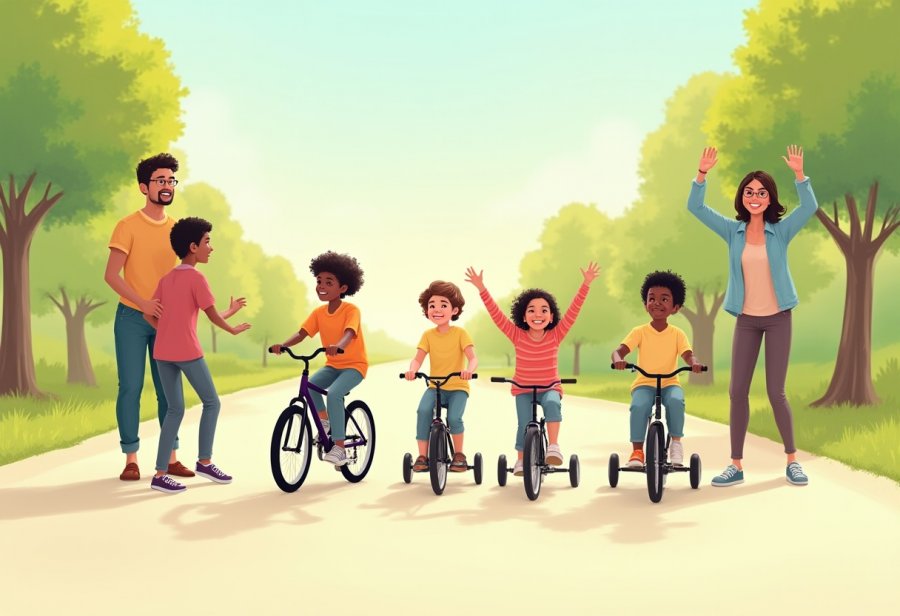
Reflecting on Growth: The Lifelong Lessons Learned from Mastering the Bike
Learning to ride a bike is more than just acquiring a new skill; it’s a powerful lesson in resilience, courage, and the value of support. Every wobble, fall, and subsequent rise teaches children that setbacks are natural parts of growth. With patience and encouragement, these moments become opportunities for learning rather than failures, helping kids build confidence and a mindset ready to face future challenges. The sense of achievement they gain from pedaling independently isn’t just about riding—it’s about trusting themselves and their abilities.
The experience of learning to ride also underscores the strength of family bonds. When parents and siblings cheer on every effort, from wobbly beginnings to confident rides, it transforms a simple activity into a shared triumph. These moments of support and celebration deepen emotional connections, showing children they are loved and supported no matter what. This foundation of trust and encouragement encourages them to approach new obstacles with resilience and a belief in their own potential.
As children gain independence on two wheels, they start exploring more freely, making decisions about where to go and how to ride. These early acts of self-reliance foster a sense of control over their lives, building confidence that extends beyond the bike. The lessons learned—patience, perseverance, and trusting in their own strength—become tools for tackling challenges in school, social settings, and beyond. The journey on two wheels helps shape a resilient mindset that can carry them through many of life’s hurdles.
Falling and setbacks are not signs of failure but vital steps in growth. When caregivers help children see mistakes as part of the learning process, it fosters a healthy attitude toward persistence. Children learn that effort matters more than perfection and that setbacks are temporary. This perspective nurtures perseverance and a growth mindset, equipping them to handle difficulties with courage and optimism.
In the end, learning to ride a bike is about more than balance and speed; it’s about discovering inner strength, building trust, and embracing challenges as opportunities. The skills and confidence children develop during this journey become lifelong tools, empowering them to face whatever comes next with resilience and hope. Pedaling forward, they carry the lessons of perseverance, family support, and courage—lessons that will serve them well far beyond the handlebars.