What if the key to overcoming water fears at any age lies in taking that vital first step? Learning to swim is more than mastering strokes; it’s about transforming anxiety into confidence, safety, and joy. This journey—whether for children or adults—is filled with small victories that build resilience and independence, supported by patient instruction and positive experiences. From ancient roots emphasizing water survival to cutting-edge technology like virtual reality and real-time feedback tools, swimming education continues evolving, making safety and skill-building more accessible and engaging than ever. Personalized approaches, inclusive programs, and innovative safety education are breaking down barriers, ensuring everyone can experience the liberating freedom of water. Are you ready to turn fear into confidence and unlock a lifelong love for swimming? With each step, water becomes less intimidating and more inviting, promising a pathway to confidence, health, and enjoyment for all.
Discover Confidence and Freedom by Learning to Swim
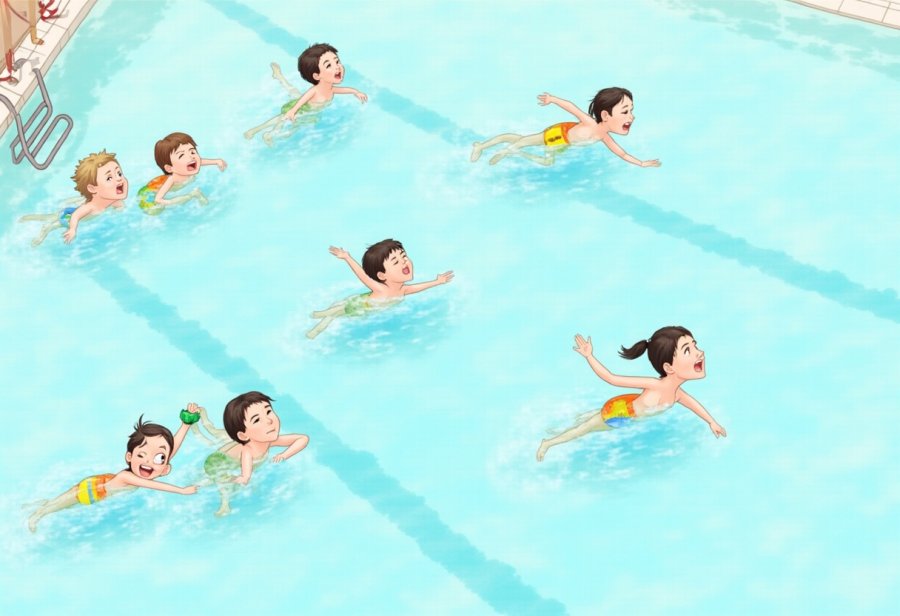
Learning to swim is a skill that can open up a world of confidence and safety, no matter your age. It’s more than just mastering strokes or floating; it’s about feeling comfortable and in control in the water. For many, the journey begins with a mix of nervousness and curiosity, but the rewards quickly outweigh the initial hesitation. Whether you’re a parent teaching your child or an adult confronting water fears for the first time, swimming offers benefits that extend beyond physical health—building resilience, patience, and self-trust.
As you start to learn, you begin to see water not as an obstacle but as a space for joy and freedom. Overcoming water anxiety, especially as an adult, can be a transformative experience that reshapes your mindset. It helps break mental barriers and encourages persistence. With each small victory—like floating on your back or taking your first unassisted stroke—you gain a sense of achievement that fuels further progress and enjoyment.
For children, early swimming lessons lay the groundwork for lifelong safety and active living. For adults, it’s an opportunity to challenge fears and rediscover the simple pleasure of moving confidently in water. The process is about progress, not perfection. Supporting yourself with patience and encouragement makes a difference—supportive instructors, caring family members, and gentle exercises like blowing bubbles or sitting on the pool’s edge help create positive, trust-building experiences.
The journey to water confidence is unique for everyone. Some start with playful splashes and gradually build skills, while others face specific fears that need gentle, personalized attention. Regardless of where you begin, the focus remains on steady progress and celebrating small wins. These moments of success—like floating or swimming short distances—are stepping stones toward more advanced skills and a lifelong love of water.
Throughout this process, it’s essential to remember that everyone’s water confidence journey is different. Patience, consistency, and a positive attitude are key. With each step, the water becomes less intimidating and more inviting. Learning to swim isn’t just about safety; it’s about embracing new freedoms, gaining independence, and opening yourself up to a world of water-based activities that can enrich your life in countless ways.
Tracing the Evolution of Swim Instruction and Safety
The story of learning to swim stretches back thousands of years, revealing how vital water skills have been across different cultures and eras. Ancient civilizations such as Egypt, Greece, and China regarded water competence as essential for survival, safety, and recreation. Early methods of instruction were informal, often passed down within families or communities through observation and imitation. People focused on basic survival skills like floating, treading water, and simple strokes, gradually building confidence in the water without formal training.
As societies advanced, so did the approaches to teaching swimming. The 19th century marked a turning point with the rise of swimming clubs, competitions, and safety protocols. Public pools became common, and standardized methods of instruction emerged, emphasizing both confidence and technical skills. This era also saw the development of safety measures, including lifeguard training and water safety education, which helped reduce drowning incidents and made swimming more accessible to a broader audience.
Scientific research into water physics and human physiology played a key role in refining techniques over time. The strokes we recognize today—crawl, breaststroke, backstroke—evolved through experimentation and understanding of human movement in water. Safety measures became more sophisticated as rescue techniques, first aid, and specialized equipment like floatation devices improved. These innovations helped make swimming safer and encouraged more people, regardless of age or ability, to learn and enjoy the water.
Technology has further propelled the evolution of swimming instruction. Early life-saving devices and later underwater cameras and video analysis tools have enhanced teaching methods. Today, digital tools such as virtual reality and mobile apps offer visual aids and real-time feedback, making learning more engaging and tailored to individual needs. These advancements lower barriers for beginners, helping them overcome fears and gain skills gradually and confidently.
Cultural attitudes toward water skills have shifted significantly. Many regions now recognize water competence as a vital life skill, supported by public awareness campaigns focused on drowning prevention and safety. Schools and community centers promote inclusive programs designed to reach learners of all ages and abilities. These efforts reflect a growing societal understanding that water confidence is essential for safety, health, and enjoyment, fostering a culture of lifelong water literacy.
Looking ahead, ongoing innovations continue to shape swimming instruction. Virtual reality simulations and gamified learning experiences make practice more enjoyable, especially for younger swimmers. Wearable devices and underwater cameras provide instant feedback, accelerating skill development and boosting confidence. As technology advances, the focus remains on making water skills accessible, safe, and enjoyable for everyone, ensuring that learning to swim remains a lifelong, empowering journey.
Embracing Modern Techniques and Technologies in Swim Education
Modern approaches to learning to swim have reshaped the experience by blending proven techniques with cutting-edge tools that make mastering water skills more effective and enjoyable. Today’s instructors often utilize visual aids like demonstration videos and digital platforms, which help learners understand proper strokes and breathing techniques more clearly. Seeing movements from different angles and receiving instant visual feedback builds confidence and accelerates progress, turning what once felt complicated into approachable steps.
Technology continues to revolutionize swim instruction. Wearable devices and underwater cameras now provide real-time feedback on posture, stroke efficiency, and breathing patterns. This immediate correction helps learners adjust their technique on the spot, making their efforts more efficient. Virtual reality (VR) is emerging as a game-changer, allowing beginners to practice breathing and floating in immersive, risk-free environments that mimic real water. These virtual experiences reduce anxiety, helping learners feel more comfortable before they even step into the pool.
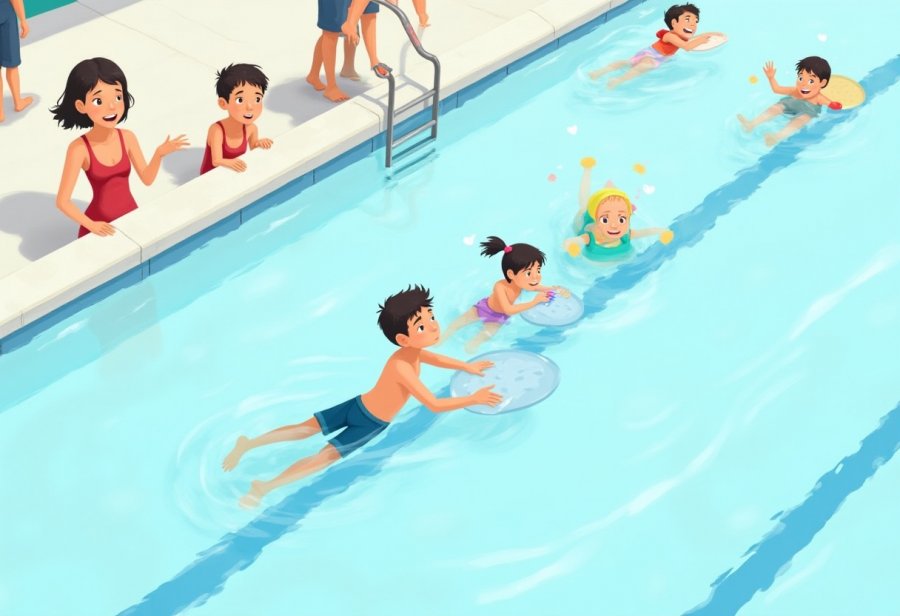
Modern programs emphasize a gradual, confidence-building approach. Beginners typically start with simple water comfort exercises, such as blowing bubbles or floating, which foster trust in the water. Instructors focus on creating a supportive environment where mistakes are seen as part of the learning process, encouraging persistence. This positive reinforcement helps reduce fear and makes each small success—like floating or swimming short distances—feel more meaningful, fueling motivation to keep going.
Diversity in teaching styles and formats ensures that everyone can find a method that works for them. Group lessons foster camaraderie and shared motivation, while private coaching offers tailored guidance for individual fears or physical limitations. Adaptive equipment like flotation devices and modified strokes help beginners participate comfortably, regardless of age or ability. This inclusive approach makes learning to swim accessible and fun, helping more people overcome water fears and develop skills at their own pace.
Beyond technical skill development, integrated water safety education is now a key component. Learners are taught hazard recognition, safe water entry and exit, and rescue techniques, fostering a comprehensive understanding of water safety. Combining these safety principles with skill-building creates confident, responsible swimmers who are prepared for real-world situations. As innovations continue, gamification and personalized feedback are making learning more engaging, ensuring that water confidence becomes a lasting, positive part of life for everyone.
Inspiring Stories and Practical Tips for Water Confidence
Many people’s journeys to water confidence are filled with inspiring moments of perseverance and small victories. Take Sarah, for example, who was terrified of the pool as a child but decided to face her fears as an adult. With patience and consistent practice, she gradually moved from timidly dipping her toes to swimming across the shallow end, feeling a newfound sense of empowerment. Her story reminds us that progress isn’t about speed but steady effort and trusting the process.
Then there’s James, who struggled with anxiety every time he approached the water. Personal coaching and a supportive environment made a huge difference for him. His instructor helped break down each step—starting with breathing exercises, then floating, and finally short swims. Over time, James learned to relax and enjoy being in the water, transforming dread into joy. His experience highlights how personalized support and patience can turn water fears into confidence.
Many learners find that starting with small, manageable activities makes all the difference. Simple exercises like blowing bubbles, sitting on the pool’s edge, or floating on their backs help build trust and familiarity. Celebrating these tiny wins keeps motivation high and makes the journey feel less overwhelming. Watching these small steps lead to bigger skills, like swimming across a pool or treading water confidently, proves that progress is a gradual process worth embracing.
Stories from beginners often reveal surprising transformations once they commit to their water confidence journey. Adults who once avoided pools now swim leisurely, and kids who were nervous are splashing happily. Instructors see increased relaxation, better breathing, and smoother movements as signs of growing confidence. These changes show that with patience and consistent effort, anyone can turn water anxiety into a genuine love for swimming.
Supporting each learner’s unique needs makes a real difference. For children, lessons that include playful activities and colorful toys make learning fun. For adults overcoming fears, gentle exposure, reassurance, and steady skill-building are essential. Adaptive equipment like floats or modified strokes help ensure everyone can participate comfortably. This personalized approach makes water confidence accessible and enjoyable, no matter where someone starts from.
Innovating Water Safety: The Future of Swimming Education
The future of swimming education is set to be transformed by a wave of innovative technologies that make learning more engaging, personalized, and accessible. Virtual reality (VR) and augmented reality (AR) are emerging tools that allow beginners to practice breathing, floating, and basic strokes in immersive environments. These virtual experiences help reduce anxiety and build confidence before they set foot in the water, turning initial fears into familiar, less intimidating steps. Wearable devices and underwater cameras now provide real-time feedback on posture, stroke efficiency, and breathing patterns, enabling learners to make immediate adjustments and see their progress visually. This instant correction accelerates skill development and nurtures confidence more effectively than ever before.
Advances in data collection and analysis are taking personalized instruction to new levels. By tracking detailed metrics, instructors can tailor lessons to each individual’s needs—whether that’s overcoming specific fears or refining technique. This targeted approach prevents frustration and keeps motivation high, especially for adults who may be confronting water anxiety after years of avoidance. The ability to customize learning experiences makes water confidence achievable for everyone, regardless of age or ability.
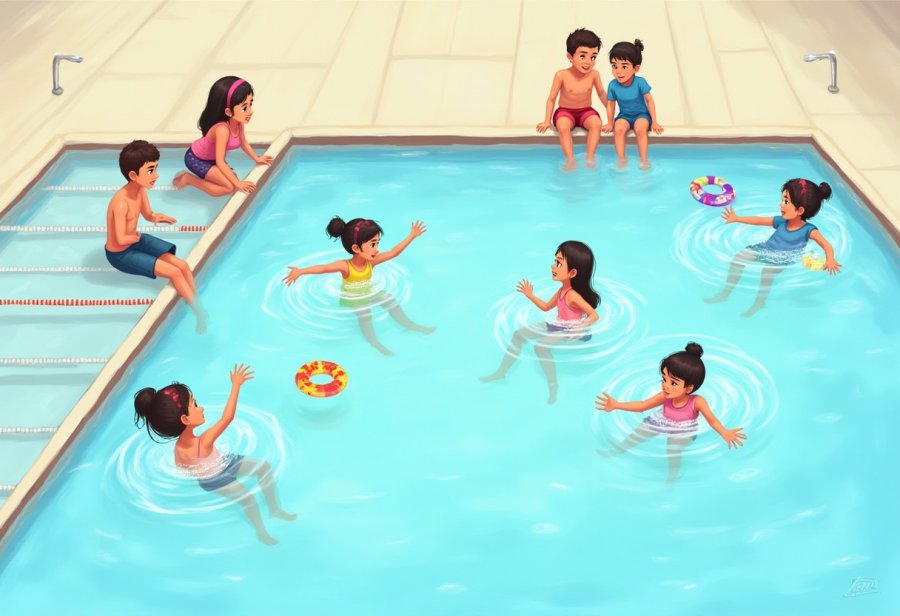
Inclusivity remains a central focus as innovations evolve. Adaptive equipment, such as specialized flotation devices and modified strokes, ensures that people of all physical and cognitive abilities can participate comfortably. Programs designed with accessibility in mind are expanding, supported by community initiatives and policy efforts that aim to make water safety and skills universal. This push for inclusivity reflects a broader understanding that water competence is a vital life skill—one that should be available to all, regardless of starting point.
Alongside technological advances, ongoing safety campaigns are emphasizing a comprehensive approach to water education. Beyond learning to swim, students are being taught hazard recognition, safe water entry and exit, and rescue techniques. Integrating safety awareness into every lesson fosters a culture of responsibility and vigilance that extends beyond the pool or beach. This holistic focus aims to reduce drownings and promote lifelong water safety habits, creating confident swimmers who are prepared for real-world situations.
Community and government programs are playing a crucial role in broadening access to beginner-friendly facilities and low-cost training options. Public pools, community centers, and schools are increasingly investing in inclusive, welcoming environments that encourage continuous learning. These efforts help break down barriers, making swimming a universal skill and a source of confidence and independence for all ages. As awareness grows, the emphasis shifts toward lifelong learning and safety, ensuring the benefits of water confidence reach every community.
Looking ahead, gamification and digital engagement will continue to shape how we learn to swim. Interactive challenges, digital rewards, and personalized feedback make practice more fun and motivating, especially for younger swimmers. These tools turn water confidence into a lasting pursuit, fostering joy, resilience, and a lifelong love of water activities. As technology advances, the goal remains clear: to make water skills accessible, safe, and enjoyable for everyone, now and into the future.