When your car malfunctions, choosing between DIY repairs, mobile mechanics, or traditional garages can significantly impact both safety and cost. While tackling simple tasks like oil changes or filter replacements at home can save money and boost your skills, complex issues—such as electrical problems or transmission repairs—demand professional expertise and specialized equipment. Mobile mechanics offer a convenient middle ground, handling routine repairs right at your doorstep, but they are limited by their tools and availability. For safety-critical or intricate repairs, a well-equipped garage with trained technicians remains the best choice. As automotive technology evolves rapidly—with electric vehicles, remote diagnostics, and AI-driven tools transforming repair practices—the industry is heading toward more precise, efficient, and sustainable solutions. Knowing when to DIY, call a mobile mechanic, or visit a shop isn’t just about convenience; it’s about safeguarding your vehicle’s safety, longevity, and your peace of mind in a fast-changing world.
Exploring Your Car Repair Options: DIY, Mobile Mechanics, and Garages
When your car starts to act up, it can be tempting to jump straight into fixing it yourself. But before grabbing a wrench, it’s worth understanding the main options available for repairs: doing it yourself (DIY), calling a mobile mechanic, or taking your vehicle to a traditional garage. Each approach has its strengths and limitations, and choosing the right one depends on the nature of the problem, your skills, and your resources.
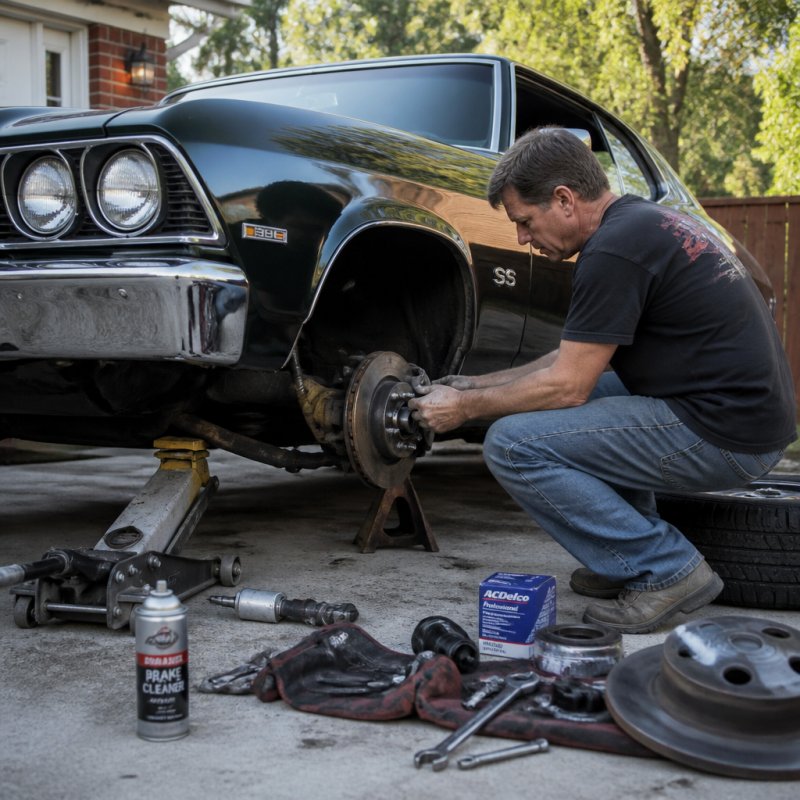
DIY repairs are often the first thing that comes to mind for many car owners. They can be a great way to save money and learn more about how your vehicle works. Tasks like changing oil, swapping out filters, or replacing brake pads are typically manageable with basic tools and some patience. Many find the satisfaction of fixing something on their own rewarding, plus it offers the convenience of doing repairs on your schedule without waiting for an appointment.
However, not every repair is suitable for a DIY approach. While simple maintenance tasks are straightforward, more complex issues—like working on the timing belt or electrical systems—require specialized knowledge and tools. Mistakes in these areas can lead to costly damage or safety hazards, turning a small fix into a bigger problem. It’s essential to honestly assess your skill level before attempting repairs that involve critical or complicated components.
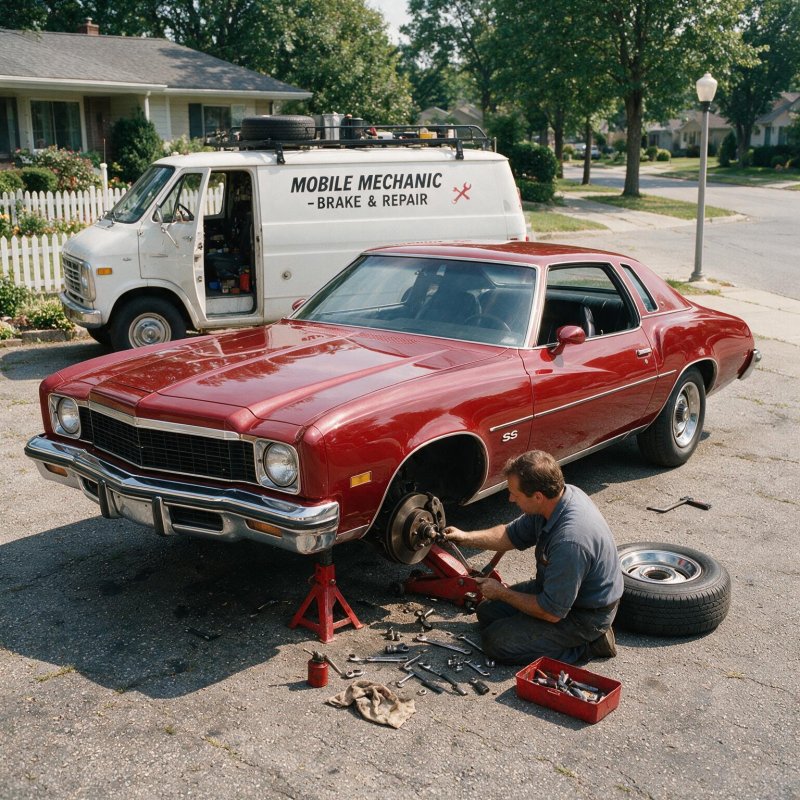
This is where mobile mechanics come into play. They bring their expertise and tools directly to your location—whether at home, work, or on the roadside—offering a convenient middle ground. Mobile mechanics can handle common jobs like brake replacements, battery swaps, or diagnostics without the need for towing or waiting in a shop. Their on-the-spot service saves time and can be more affordable for routine repairs, making them a practical choice for many situations.
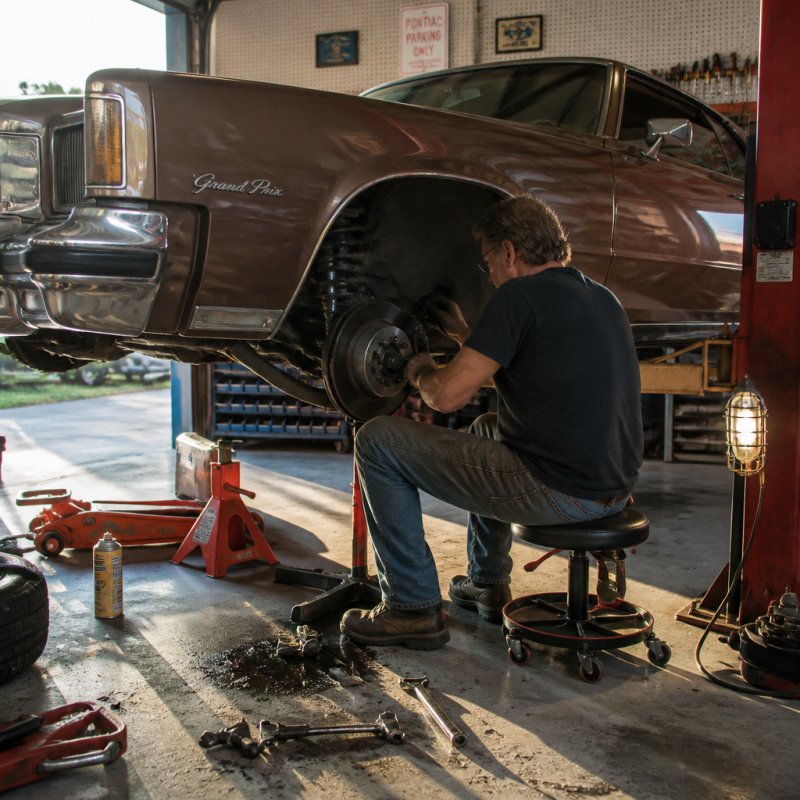
For more involved repairs, especially those that require heavy equipment or complex diagnostics, traditional garages remain the most reliable option. These facilities are equipped with lifts, advanced diagnostic scanners, and specialized tools necessary for complex engine work, transmission repairs, or safety-critical service. Trained technicians follow strict safety standards and manufacturer guidelines, providing peace of mind that the job will be done correctly and safely.
Choosing between these options isn’t about doing everything yourself or relying solely on professionals. It’s about matching the repair to the task at hand, your skills, and your resources. Small, simple maintenance and routine repairs suited for mobile mechanics or DIY can save money and time. When the job involves safety-critical systems or complex procedures, trusting a professional garage ensures your vehicle’s safety, longevity, and reliability. Knowing when to hand over the wrench is just as important as knowing how to use it.
Mastering Repair Strategies: When to DIY, Call a Mobile Mechanic, or Visit the Garage
Deciding how to approach a car repair starts with evaluating the complexity of the task. Simple jobs like replacing wiper blades, topping off fluids, or swapping out filters are usually straightforward and safe for most owners to handle. These repairs don’t require specialized tools or extensive knowledge, making them ideal for a DIY approach. If you’re comfortable with basic tools and have some confidence, taking on these small tasks can save money and give you a sense of accomplishment.
On the other hand, more involved repairs—like handling a timing belt, electrical system issues, or replacing engine components—demand a different level of skill and equipment. These jobs often require specialized tools, detailed knowledge, and safety precautions. Attempting them without proper experience can lead to mistakes that threaten safety or cause costly damage, turning a simple repair into a bigger, more expensive problem. Be honest about your skill level and avoid rushing into complicated repairs that could compromise your vehicle’s reliability.
Next, consider whether you have access to the necessary tools. Tasks such as wheel alignments, engine diagnostics, or brake bleeding typically require lifts, diagnostic scanners, or other heavy-duty equipment that most DIYers don’t own. If these tools are out of reach, trying a DIY repair could be risky or impossible. This is where mobile mechanics come into play—they arrive equipped with portable tools to handle many routine repairs like replacing batteries or brake pads right at your location, saving you time and effort.
Beyond tools and skills, safety should be a top priority. Modern vehicles incorporate advanced electrical systems and sensitive components that demand careful handling. Repairs involving critical safety systems—like brakes, suspension, or airbags—should never be rushed or DIY’d without proper knowledge. Rushing these jobs or cutting corners can jeopardize safety, making professional expertise essential. When in doubt, trusting a qualified technician ensures the work meets safety standards and reduces the risk of future issues.
Further reading is available in Innovative Car Repair Trends Shaping the Future of Automotive Care, authored by Kie Russell for Blog Story Lines.
Cost is another vital factor. DIY repairs typically cost less because you’re only paying for parts, not labor. However, mistakes can lead to additional repairs, negating any initial savings. Mobile mechanics often offer competitive rates for routine jobs and bring the convenience of on-site service, which can save both time and money—especially if your vehicle isn’t drivable. For complex repairs, though, a full-service garage may be more cost-effective in the long run, thanks to warranties and the expertise of trained technicians.
Timing and convenience also influence your decision. If you’re pressed for time or prefer not to wait for an appointment, mobile mechanics can come to you and often complete repairs faster than scheduling a visit to a shop. This flexibility is especially helpful for quick fixes or low-risk maintenance. Conversely, some repairs require disassembly or heavy lifting, which are best performed in a well-equipped garage where the right tools and space ensure efficiency and safety.
Safety always takes precedence over cost savings. For critical systems like brakes or suspension, attempting DIY repairs or relying on a mobile mechanic without the proper equipment can put you and others at risk. When the job involves safety-critical components, it’s wiser to entrust the work to professionals. They follow strict safety protocols, use calibrated tools, and provide warranties, reducing the chances of errors or future failures that could threaten safety and reliability.
Finally, consider the long-term implications of your choice. Warranties offered by garages can protect you if something goes wrong shortly after the repair. DIY fixes carry no guarantees, and limited warranties from mobile mechanics might not cover all issues. For repairs that impact your vehicle’s safety or lifespan, investing in professional service often pays off by providing greater peace of mind and ensuring your car remains reliable. Making an informed decision based on the repair’s complexity, your skills, and your resources will keep your vehicle running smoothly and safely for miles to come.
The Future of Car Repair: Innovation, Technology, and Industry Transformation
The future of car repair is set to transform dramatically as rapid technological advancements continue to reshape the industry. Electric vehicles are no longer a niche; they’re becoming increasingly common, pushing repair shops and technicians to develop new skills and invest in specialized tools tailored specifically for EV maintenance. Unlike traditional internal combustion engines, electric motors and batteries require different diagnostic approaches and repair techniques. As a result, repair facilities are upgrading their equipment and training staff to keep pace with these innovations, leading to a more complex but also more exciting landscape for automotive service providers.
Remote diagnostics and telematics are poised to play a bigger role in how vehicles are maintained and repaired. Modern cars are equipped with connected systems that can send real-time data directly to technicians, often alerting owners to potential issues before symptoms even appear. This enables proactive maintenance, allowing problems to be addressed early, reducing breakdowns, and extending vehicle lifespan. As these systems become more sophisticated, they shift the repair model from reactive fixes to preventative care, saving owners time and money while boosting safety and reliability.
Automation and artificial intelligence are beginning to make their way into repair shops, promising faster, more accurate service. Automated diagnostic tools can scan a vehicle’s systems quickly and analyze data with minimal human input, pinpointing issues more efficiently. Some repair facilities are experimenting with robotic arms for repetitive tasks like tightening bolts or installing parts, which enhances precision and consistency. These innovations mean repairs could become quicker, less prone to human error, and more affordable, ultimately benefiting consumers through shorter wait times and more dependable results.
Digital tools are also revolutionizing how repairs are scheduled, tracked, and communicated. Online booking platforms, digital repair records, and virtual consultations make it easier for vehicle owners to access services and stay informed about their vehicle’s health. Parts catalogs and ordering systems are increasingly digital, ensuring that the right components are sourced quickly and accurately. This integration of technology not only enhances transparency but also streamlines workflows in repair shops, reducing delays and improving overall efficiency. As these tools continue to evolve, the repair experience will become more transparent, convenient, and user-friendly.
Industry standards and regulations are evolving to keep pace with these technological shifts. Certification programs are updating their requirements to include training on electric vehicle repair, advanced diagnostics, and new repair techniques. Regulatory bodies are imposing higher safety and environmental standards, influencing how repairs are performed and documented. This ensures technicians are equipped with the latest knowledge, maintaining quality and safety across the industry. For car owners, this means future repairs will adhere to higher standards, providing greater confidence that their vehicles are being serviced correctly and safely.
Sustainability will play an increasingly important role in automotive repair. As electric and hybrid vehicles gain prominence, repair shops are adopting eco-friendly practices such as recycling parts, properly disposing of hazardous fluids, and using environmentally responsible materials. This focus on sustainability not only benefits the environment but also influences the services offered and the equipment used. Future repairs are likely to be more technologically advanced and aligned with environmentally conscious principles, making vehicle maintenance more sustainable overall.
Digital twin technology could revolutionize how repairs are planned and executed. These virtual replicas of vehicles simulate how a car responds to different repair procedures or modifications. Technicians can test solutions in a digital environment before working on the actual vehicle, reducing errors and improving precision. Digital twins also enable predictive maintenance, where potential issues are identified early through simulation data, allowing for targeted interventions that extend vehicle lifespan and prevent breakdowns. This proactive approach could make repairs less invasive, more effective, and less disruptive, ensuring vehicles stay safe and reliable longer.
As these trends unfold, the automotive repair industry will become more integrated, intelligent, and sustainable. Vehicles will communicate issues proactively, diagnostics will become faster and more precise thanks to AI and automation, and digital tools will create a more transparent and seamless experience for owners. These changes will demand new skills from technicians and a shift in how services are delivered. For consumers, staying informed and adaptable will be essential to navigating this evolving landscape. Embracing these innovations now can lead to more reliable, safer, and environmentally friendly vehicle maintenance, ensuring that the industry continues to meet the needs of a rapidly changing world.