In a world dominated by digital noise and fleeting connections, could the simple act of tending a garden together unlock deeper bonds and facilitate healing? This heartfelt exploration reveals how shared outdoor routines—not just about growing food or beautifying space—serve as powerful tools for fostering trust, patience, and genuine communication. Rooted in centuries of tradition, gardening offers accessible, mindful activities that nurture both plants and relationships. Scientific evidence affirms its mental health benefits—reducing stress, boosting mood, and building resilience—especially when done collaboratively. Could the dirt beneath our nails be a metaphor for emotional growth and connection? As routines develop and trust blossoms, tending to life outside becomes a gentle act of kindness, creating safe spaces for vulnerability. Ultimately, this guide challenges us to reconsider how small acts of care in the garden might be the most meaningful way to reconnect in a fragmented world.
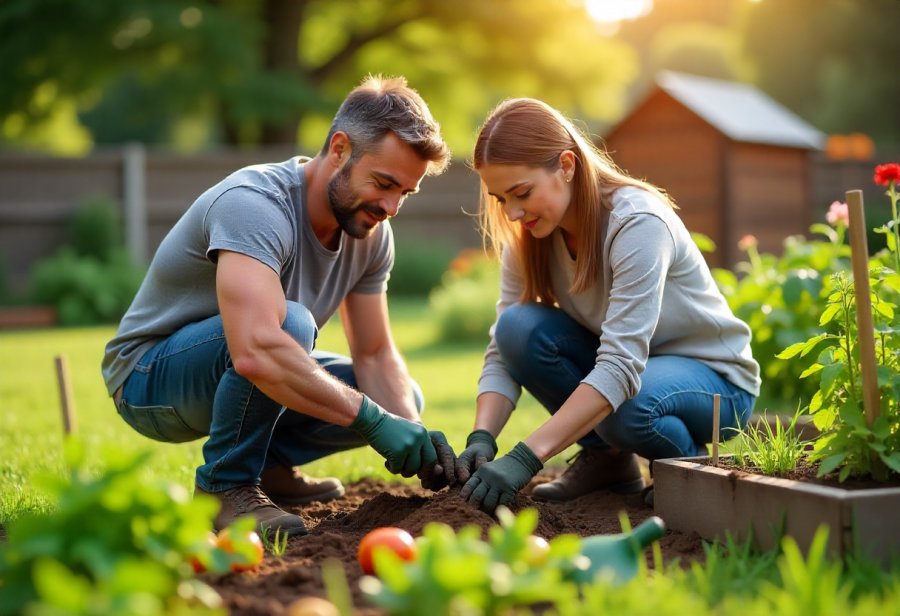
Reconnect Through Nature: How Gardening Builds Bonds and Heals in a Digital World
In today’s fast-paced, digitally connected world, genuine human interactions can feel harder to come by. We spend hours glued to screens, scrolling through social media feeds, and multitasking without pause. Amid this constant digital churn, many of us yearn for something more authentic—something tangible that allows us to slow down and reconnect. Gardening offers a simple yet profound way to do just that. It invites us to step outside, get our hands dirty, and focus on something real, grounding us in the present moment.
When shared with others, gardening transforms from a solitary activity into a powerful bonding experience. Working side by side in a garden encourages communication, teamwork, and patience—all essential ingredients for emotional connection. Whether planting seeds, watering rows, or weeding, each task becomes a small act of care that nurtures not only plants but relationships as well. These shared routines foster trust and create natural opportunities for conversation, making connection feel effortless rather than forced.
Historically, gardening has served as more than just a way to grow food or beautify spaces—it’s been a universal activity that unites communities and families. From ancient communal plots to modern community gardens, tending to the land has always been a social ritual. These practices—planting, nurturing, harvesting—are timeless, transcending cultures and generations. They remind us that growth and connection are intertwined, rooted in patience, shared effort, and mutual support.
Science now backs what tradition has long suggested: outdoor activities like gardening can significantly boost mental health. Engaging with nature reduces stress, elevates mood, and fosters a sense of achievement. When done with others, these benefits multiply, offering a calming space for meaningful interactions that can help combat loneliness. In a world where digital disconnection is common, tending a garden together becomes a restorative ritual—a way to reconnect with ourselves, each other, and the natural world.
Gardening isn’t complicated; it’s accessible to almost everyone. Starting with easy-to-grow plants like herbs, lettuce, or colorful flowers keeps things light and manageable. The key is to enjoy the process—focusing on shared effort rather than perfection. Regular, relaxed sessions create a routine that encourages ongoing connection without feeling like a chore. Over time, these small acts of care can build trust, patience, and understanding, laying the foundation for deeper bonds that flourish just like the plants we nurture.
Ultimately, tending a garden together offers more than a shared hobby—it creates a space for emotional healing and growth. As routines develop and trust deepens, the garden becomes a safe haven for vulnerability and genuine connection. In a digital age that often feels disconnecting, these simple acts of caring for life remind us that growth, patience, and kindness are timeless tools for strengthening bonds—and that sometimes, the most meaningful connections start with a little dirt.
Roots of Connection: Exploring Gardening’s Historical and Cultural Foundations
Gardening has been a fundamental part of human life for centuries, serving as much more than a way to grow food or beautify spaces. Throughout history, communities and families have turned to gardening as a means of connection, sharing stories, and building trust. In many cultures, communal gardens and shared plots weren’t just about harvesting—they were lively, social spaces where people worked side by side, exchanged ideas, and strengthened bonds through simple, collective activities. These rituals—planting, watering, weeding—became more than chores; they became traditions that fostered teamwork and patience, laying the groundwork for understanding gardening as a natural way to nurture relationships.
Across different regions and eras, gardening played a vital role in social, spiritual, and cultural life. In ancient Egypt and China, it was often intertwined with spiritual practices emphasizing harmony and renewal. Zen gardens in Japan, for example, focus on mindfulness and emotional balance through meticulous tending of plants and stones. European community gardens and allotments historically served as gathering spots for neighbors to collaborate, share stories, and enjoy each other’s company. These examples show that tending the land has long been a universal activity that connects people, fostering a sense of shared purpose and mutual support.
The core activities involved—planting seeds, watering, maintaining, harvesting—are surprisingly simple, yet profoundly powerful. They require cooperation, communication, and patience, making them natural tools for building bonds. Planting involves planning and teamwork, while routine tasks like watering and weeding cultivate patience and attentiveness. Harvesting becomes a collective moment of pride, a shared celebration of growth. These rituals create a rhythm that nurtures not just plants, but relationships, reinforcing trust and mutual support through consistent effort.
In recent years, the importance of gardening as a social and therapeutic activity has gained recognition. Community gardens and therapeutic horticulture programs are sprouting up worldwide, providing spaces for healing and connection. Scientific studies support the idea that outdoor activities like gardening can reduce stress, improve mood, and strengthen social bonds. Especially in urban environments where loneliness can be pervasive, working together outdoors offers a tangible way to build community and emotional resilience, reinforcing the idea that simple acts of care can have profound relational impacts.
The activities—planting, watering, harvesting—are accessible and adaptable, making gardening an inclusive activity for many. Whether it’s a small balcony herb garden or a larger community plot, these routines foster a sense of shared responsibility and purpose. They encourage communication and collaboration, breaking down barriers and creating opportunities for meaningful interaction. This simplicity, combined with the patience required, turns gardening into a lasting ritual that nurtures trust and emotional well-being, making it a timeless tool for connection.
Looking at the broader picture, gardening’s role as a bonding activity is both timeless and adaptable. Its fundamental actions—planting, tending, harvesting—are universal symbols of growth and care, echoing in cultures across centuries. These shared routines serve as gentle anchors in our lives, offering space for conversation, collaboration, and shared achievement. In a world often fractured by digital distraction, tending the land remains a powerful, grounding practice that reminds us of our innate need for connection and the healing potential of nurturing life together.
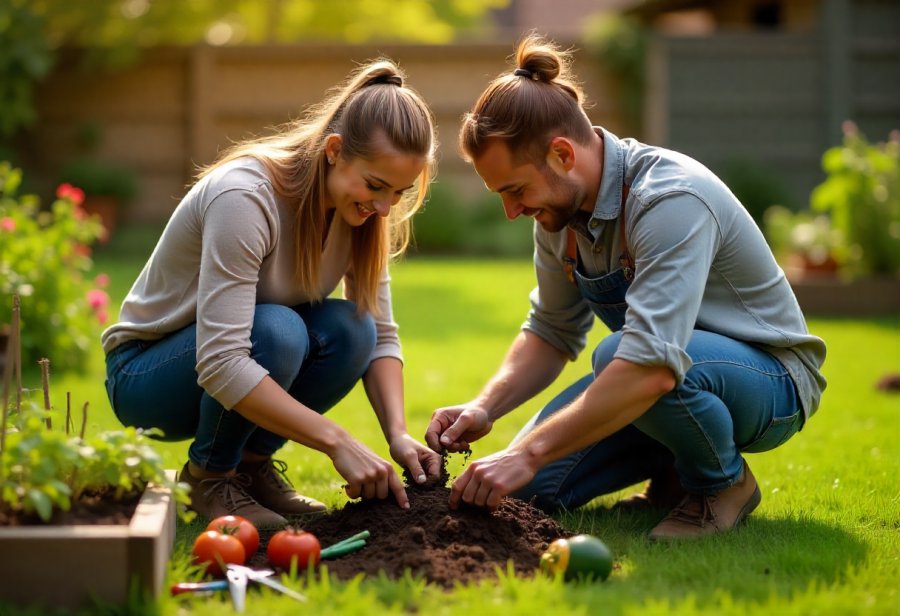
Science and Serenity: Modern Insights into Gardening’s Healing Power
In recent years, scientific research has provided strong support for what many gardeners have long believed: tending to plants can significantly boost mental health. Spending time outdoors, especially when shared with others, has been shown to lower stress hormones like cortisol while increasing mood-enhancing chemicals such as serotonin. These effects aren’t fleeting; regular gardening can foster a sustained sense of well-being, making it a practical form of nature-based therapy accessible to many.
Experts highlight that gardening engages multiple senses—touching soil, smelling blossoms, listening to birds—which helps ground us in the present moment. This mindfulness acts as a buffer against anxiety and depression, offering a peaceful escape from modern life’s relentless pace. When done alongside someone else, these calm, focused moments become even more impactful, strengthening social bonds and reducing feelings of loneliness.
Today, mental health professionals increasingly recognize outdoor activities like gardening as valuable therapeutic tools. Many recommend it as an adjunct to traditional therapy, especially for urban residents with limited access to natural environments. Working together in a garden encourages patience, open communication, and mutual support—elements vital for rebuilding trust and emotional resilience. Gardening becomes a gentle, accessible way to reconnect without the pressures often associated with formal counseling.
Research continues to confirm the mental health benefits of gardening. Those who garden regularly report lower stress levels, improved mood, and greater overall resilience. These benefits tend to accumulate over time, as nurturing plants teaches patience and care—qualities that naturally extend into personal relationships. The physical act of tending to life becomes a metaphor for fostering growth and healing within ourselves and with others.
This shift in understanding reflects a growing cultural appreciation for nature’s healing power. Stories and social media highlight gardening as a pathway to peace and connection, resonating with those seeking relief from emotional wounds. While access to green spaces isn’t equal everywhere, the core idea remains clear: engaging with nature through gardening offers a simple, effective way to slow down, reflect, and rebuild bonds in a hectic world.
In a digital age dominated by screens, gardening provides a tangible, grounding activity that promotes mindfulness and shared effort. Its benefits are backed by science and rooted in tradition—reminding us that nurturing plants also nurtures our mental and emotional health. Whether caring for a balcony herb patch or participating in a community garden, each act of tending becomes a quiet act of kindness that can ripple outward, strengthening our connections and restoring a sense of balance.
Garden Together: Practical Steps to Cultivate Relationships and Emotional Well-Being
Getting started with gardening as a way to deepen bonds doesn’t need to be complicated or intimidating. Opt for simple, easy-to-grow plants like herbs, lettuce, or colorful flowers that thrive with minimal fuss. The goal is to enjoy the process together, not to produce perfect results. Choose a time that fits into your routine—short, relaxed sessions work best—and make it a regular habit. Consistency helps turn gardening into a shared ritual that everyone looks forward to.
Communication is key. Talk about which tasks each person feels comfortable handling—whether planting, watering, or weeding—and be open to trying different roles. Sharing responsibilities keeps things balanced and makes the activity more engaging. Celebrating small milestones, like the first sprout or a flower blooming, creates positive moments that reinforce the joy of growing together. Keep the atmosphere light and fun to prevent stress and encourage ongoing participation.
Use simple tools like hand trowels, watering cans, and gloves to make the work easier and more accessible. Basic guides or beginner tips can help everyone stay on the same page and reduce frustration. When tools and instructions are straightforward, the focus stays on the shared experience rather than technical hurdles. This approach makes gardening less about perfection and more about connection.
Working side by side on small projects often sparks meaningful conversations. For example, planting herbs on a balcony or cultivating a flower bed in the yard can open space for relaxed dialogue. These shared moments of effort and care naturally lead to bonding, trust, and mutual pride. Watching plants grow and flourish together creates a sense of accomplishment that strengthens the relationship.
Patience is essential. Not every plant will thrive immediately, and that’s okay. The process is about enjoying each step, learning together, and supporting each other through setbacks. Rushing or aiming for perfection can diminish the experience. Instead, focus on creating a calm, welcoming environment where everyone feels valued and encouraged. Over time, these small acts of care build a foundation for deeper understanding and trust.
Remember, the beauty of gardening lies in its simplicity and rhythm. It’s less about the end result and more about the ongoing process of nurturing life and, in turn, nurturing your connection. Sharing the dirt, the watering, and the growth invites vulnerability and genuine interaction. These routines foster patience, resilience, and kindness—qualities that translate beyond the garden into everyday relationships.
Supporting your gardening efforts with easy-to-follow guides and basic tools makes the experience more enjoyable and less overwhelming. These resources turn a simple activity into a meaningful routine, encouraging ongoing engagement. Each moment spent tending plants becomes a quiet act of kindness, reinforcing bonds and creating shared memories. As you nurture life outside, you’re also cultivating connection and emotional growth inside.
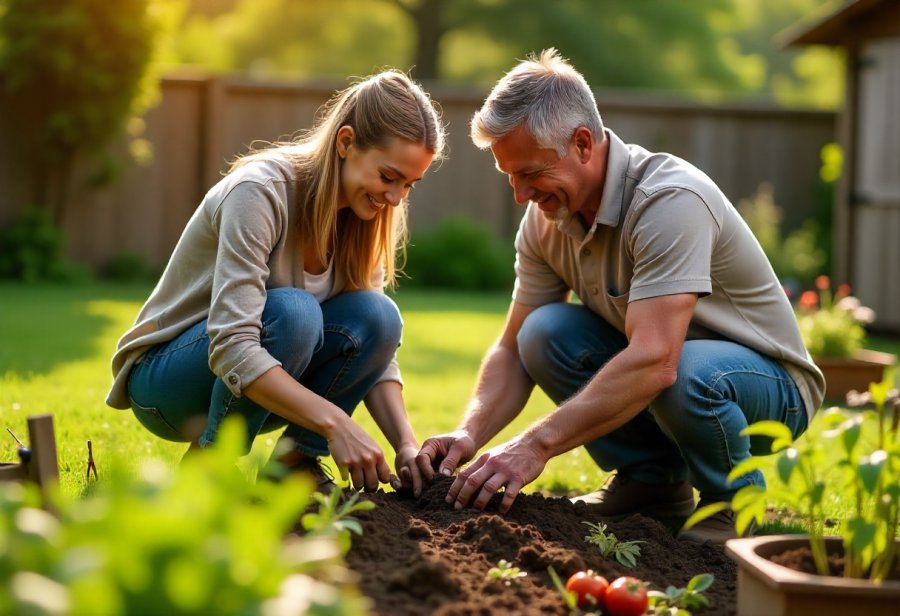
Growing Closer: Embracing the Journey of Connection and Care in Your Garden
Tending a garden together is more than just a shared activity; it’s a meaningful way to nurture relationships over time. The simple routines of planting, watering, and caring for plants serve as gentle anchors, fostering trust, patience, and open communication. As these routines become part of your shared life, they lay a foundation for deeper connection, reminding us that growth—both in plants and in relationships—takes time and consistent effort.
Science and tradition agree: gardening has a powerful capacity to heal and strengthen emotional bonds. It offers a calm, grounding space where patience and care flourish, helping to rebuild trust and resilience. When shared with others, these moments of nurturing become acts of kindness that ripple outward, creating a sense of mutual achievement and emotional safety. In a world often overwhelmed by digital noise, tending to life outside brings clarity, presence, and connection.
Getting started doesn’t require perfection or elaborate plans. Focus on small, simple steps—like planting herbs or flowers—that bring joy and ease. Make it a routine, even if only for a few minutes each day or week. Celebrate tiny victories, like a sprout emerging or a blossom opening; these moments reinforce the joy of growth and shared effort. Keep the atmosphere relaxed and encouraging, emphasizing process over results, so everyone feels valued and motivated to continue.
Patience remains key. Not every plant will thrive immediately, and setbacks are part of the journey. Embrace imperfections as opportunities to learn and support each other. When you approach gardening with a mindset of gentle care and curiosity, it transforms from a chore into a shared ritual that nurtures trust and understanding. Over time, these small acts of kindness create a safe space for vulnerability and genuine connection.
Supporting your efforts with simple tools and accessible resources makes the process more enjoyable and sustainable. Whether it’s a beginner’s guide or basic gardening supplies, these small investments encourage ongoing participation. Each shared moment of tending plants becomes a quiet act of love—one that cultivates not just soil and blooms but also emotional resilience and closeness.
In the end, cultivating a garden together reminds us that growth is a continuous journey. It’s about creating routines that foster patience, kindness, and mutual support—values that extend beyond the garden into every aspect of life. As you nurture life outside, you’re also nurturing trust and intimacy inside, proving that even in a digital age, simple acts of care and patience can forge deeper, more resilient bonds.