Beyond Hollywood’s glamorized image, Cleopatra VII emerges as a brilliant scholar-queen whose true legacy lies in her intellect, diplomacy, and strategic mastery. Her multilingual abilities, patronage of Alexandria’s famed library, and engagement in scientific and philosophical pursuits showcase a leader who understood that influence stems from knowledge and cultural literacy, not just personal charm or military might. Faced with internal rivalries and external threats from Rome, Cleopatra’s ability to forge alliances with Julius Caesar and Mark Antony was driven by calculated diplomacy, not vanity. Her leadership was rooted in resilience, adaptability, and a deep understanding of human nature—qualities that allowed her to preserve Egypt’s independence amidst chaos. As contemporary historians increasingly recognize her as a pioneer of soft power and cultural influence, her story challenges us to consider how intelligence, education, and strategic thinking remain vital tools for leadership today. Could her true power have been her mind all along?
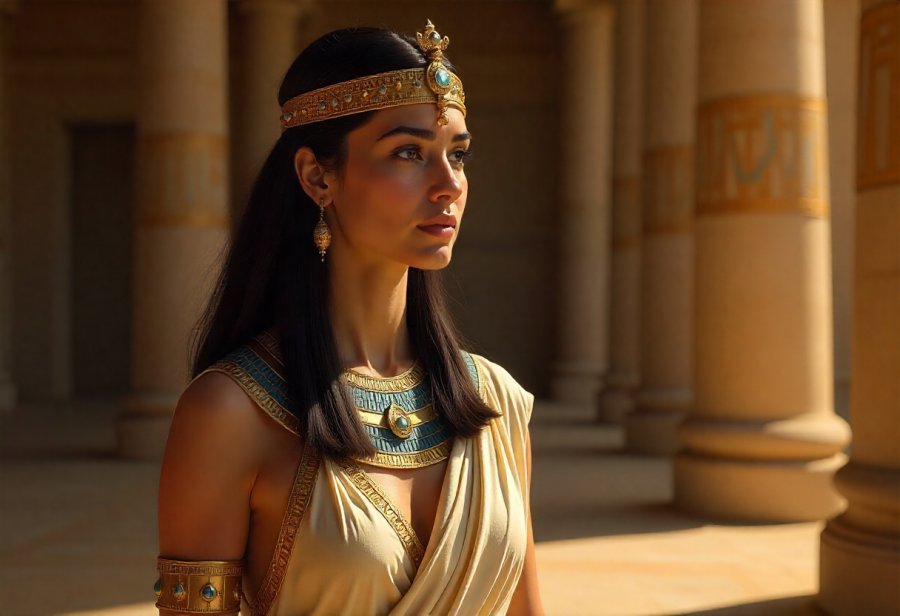
Unveiling Cleopatra: Beyond Stereotypes to a Scholar-Queen’s True Legacy
Cleopatra VII is often remembered through Hollywood’s lens as a seductive and glamorous figure, but her true legacy runs much deeper. She was a highly intelligent and strategic leader who mastered the art of politics and diplomacy during one of the most turbulent times in ancient history. As the last active ruler of Egypt’s Ptolemaic dynasty, her influence extended far beyond personal relationships or royal spectacle. Cleopatra’s real strength lay in her ability to navigate complex alliances, preserve Egypt’s independence, and foster scholarly pursuits that elevated her kingdom’s cultural standing.
Far from the common stereotypes of a beauty icon or a romantic figure, Cleopatra was a scholar-queen whose leadership was driven by wit, wisdom, and strategic insight. She was known to speak multiple languages and was deeply engaged in scientific and philosophical debates, which was unusual for a ruler of her era. Her intelligence and ability to communicate across cultures allowed her to build alliances with powerful figures like Julius Caesar and Mark Antony, not through charm alone but through calculated diplomacy and mutual interest.
Her leadership style was marked by a keen understanding of political dynamics and a mastery of influence. Cleopatra recognized that power was not just about military might but also about cultural and intellectual authority. She invested heavily in Alexandria’s famed Library and scholarly institutions, positioning Egypt as a hub of learning and innovation. This emphasis on knowledge and education was a deliberate strategy to bolster her legitimacy and project strength in a male-dominated world.
Throughout her reign, Cleopatra demonstrated resilience and adaptability. She faced internal family rivalries, external threats from Rome, and shifting alliances, yet she consistently managed to preserve her sovereignty. Her diplomatic marriages, alliances, and patronage of the arts and sciences show a ruler who saw influence as rooted in intelligence and cultural leadership. Her story challenges the myth that her power lay solely in her appearance or personal charm, revealing instead a ruler whose real weapon was her mind.
Her legacy is a testament to the importance of strategic thinking and intellectual prowess in leadership. Cleopatra understood that true authority comes from the ability to inspire, persuade, and adapt. Her leadership offers a powerful reminder that influence often hinges on knowledge, cultural literacy, and diplomatic skill—qualities that remain vital in today’s world. Her life exemplifies how intelligence and resilience can forge a lasting impact, even amid chaos and competition.
The Geopolitical Chessboard: Egypt’s Cultural Crossroads and Cleopatra’s Strategic Maneuvers
Cleopatra VII’s rise to power did not unfold in isolation; it was shaped by a complex web of political, cultural, and historical forces that defined her era. Egypt, a land with a history stretching back thousands of years, was at a crossroads between tradition and change. By her time, Egypt was no longer the independent empire it once was but a territory caught in the shifting tides of Mediterranean power struggles. Her family, the Macedonian Greek Ptolemies, traced their origins to Alexander the Great’s generals, who inherited control after his empire fragmented. This Macedonian lineage infused Egyptian court life with a blend of Greek customs and native traditions, especially in Alexandria, a city that became a melting pot of ideas and cultures.
Alexandria stood as the cultural heart of her kingdom, home to the famed Library and a vibrant scholarly scene. It symbolized the fusion of Greek learning and Egyptian heritage, positioning Egypt as a center of intellectual innovation. Cleopatra’s education reflected this duality, as she was immersed in both Hellenistic studies and Egyptian traditions. Her upbringing prepared her to navigate a multicultural world where influence depended as much on ideas as on military strength.
Egypt’s strategic location made it a prized prize for rival powers eager to expand their reach. Rome’s rise was unstoppable, and its influence stretched across the Mediterranean basin. Cleopatra inherited a fragile throne, having faced internal family rivalries and external threats from neighboring states even before her reign. Her father, Ptolemy XII, left her a kingdom vulnerable to external invasion, requiring her to act swiftly to protect her inheritance.
Her initial challenge was internal: managing her brother Ptolemy XIII’s ambitions and rivalries within the royal family. Marriages and alliances were her tools to neutralize threats, but her real game was diplomacy. Recognizing the importance of Rome’s growing dominance, Cleopatra sought strategic partnerships with Julius Caesar and later Mark Antony. These alliances were not driven by personal vanity but by a calculated effort to preserve Egypt’s independence amid encroaching imperial powers.
Her multilingualism and cultural awareness became essential assets in this diplomatic dance. Cleopatra’s ability to speak multiple languages and her understanding of different customs allowed her to communicate directly with powerful foreign leaders, often turning potential enemies into allies. Her skill in reading political landscapes and adjusting her strategies kept her sovereignty intact despite overwhelming odds.
Throughout her reign, Cleopatra’s leadership was a testament to her resilience and adaptability. She mastered the art of influence—balancing internal rivalries, external threats, and cultural diplomacy. Her strategic thinking extended beyond mere military might, emphasizing the importance of knowledge, persuasion, and cultural literacy. These qualities not only secured her position but also elevated Egypt’s cultural stature in the ancient world.
In essence, Cleopatra’s era was characterized by turbulent geopolitical shifts and vibrant cultural exchanges. Her Macedonian Greek roots, combined with her mastery of Egyptian traditions, gave her a unique advantage. She understood that influence was rooted in a deep understanding of human nature, diplomacy, and cultural diplomacy—traits that enabled her to maintain her throne and shape her legacy amidst chaos.
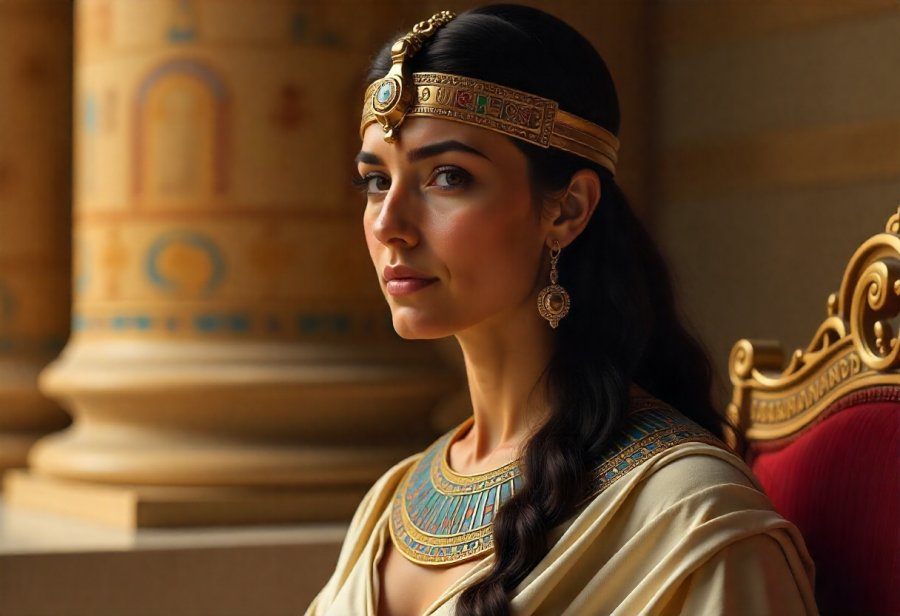
The Mind of a Ruler: Cleopatra’s Intellectual Pursuits and Diplomatic Mastery
Cleopatra VII’s reputation as a ruler extends far beyond her diplomatic maneuvers and political alliances; she was also a remarkable scholar-queen whose intellectual pursuits significantly shaped her legacy. Fluent in multiple languages—including Egyptian, Greek, Latin, and several others—she used her linguistic skills as a strategic tool for diplomacy and influence. By communicating directly with leaders and scholars across the Mediterranean, Cleopatra fostered trust and nuanced negotiations, often avoiding misunderstandings that could hinder her goals.
Her dedication to knowledge was reflected in her active support of Alexandria’s famed Library and scholarly institutions. Cleopatra was deeply engaged in scientific debates, philosophical discussions, and literary pursuits. She personally participated in scholarly exchanges, elevating her reputation as a learned ruler and turning Alexandria into a hub of innovation and intellectual vibrancy. Her patronage helped nurture a thriving environment where scientific inquiry and philosophical ideas flourished, strengthening Egypt’s cultural influence.
Cleopatra’s intelligence extended beyond her scholarly interests; it was a core element of her leadership style. She understood that influence in the ancient world depended heavily on ideas, knowledge, and cultural exchange. Her ability to navigate complex political landscapes through strategic thinking and cultural awareness made her a formidable diplomat. Her engagement with philosophers and scientists, combined with her curiosity about the world, allowed her to project strength through ideas and relationships rather than force alone.
Her sharp wit and keen understanding of human nature further distinguished her as a master tactician. Cleopatra’s multilingualism enabled her to communicate authentically and directly with diverse audiences, often turning potential rivals into allies. Her cultural literacy and the strategic use of knowledge as soft power made her a leader who wielded influence through intelligence, persuasion, and diplomatic finesse. This blend of scholarly curiosity and political savvy created a unique leadership style rooted in both mind and diplomacy.
Her legacy as a scholar-queen underscores a vital truth: leadership in the ancient world—and in any era—relies heavily on the capacity to think deeply, communicate effectively, and foster learning. Cleopatra recognized that true influence stemmed from intellectual depth, cultural literacy, and curiosity. Her commitment to advancing Alexandria’s scholarly scene and her mastery of languages exemplify how knowledge and influence are intertwined, providing a model of leadership that remains relevant today.
Looking to the future, Cleopatra’s role as an intellectual pioneer continues to inspire scholars and leaders alike. Ongoing archaeological discoveries and scholarly research reveal new facets of her engagement with science, philosophy, and diplomacy. Her ability to merge knowledge with power offers timeless lessons on the importance of education, cultural literacy, and strategic thinking—traits that empower leaders across centuries. Her life reminds us that genuine leadership is rooted in the strength of the mind, resilience, and a relentless pursuit of understanding.
Reevaluating Cleopatra: A Modern View of Her Leadership Through Knowledge and Diplomacy
Today, Cleopatra’s legacy is increasingly appreciated through the lens of her intelligence and diplomatic skill rather than her romanticized image or Hollywood glamour. Modern historians highlight her multilingual abilities, strategic alliances, and her patronage of Alexandria’s legendary library as evidence of a leader who understood influence was rooted in knowledge and cultural literacy. These qualities reveal a woman who wielded power through ideas, negotiation, and understanding—traits just as vital now as they were in antiquity.
Her talent for navigating complex political landscapes was nothing short of masterful. Cleopatra forged key partnerships with Julius Caesar and Mark Antony, not out of vanity but to safeguard Egypt’s independence in a rising tide of imperial ambition. Her relationships combined personal trust with political calculation, demonstrating her mastery of turning diplomacy into an art form. Her ability to speak multiple languages and her deep cultural awareness allowed her to communicate directly with diverse audiences, building influence without reliance on force or intermediaries.
Throughout her reign, Cleopatra faced internal rivalries and external threats, yet her diplomatic finesse and strategic thinking kept her in power. She used marriage alliances, cultural diplomacy, and intelligence as tools to maintain her sovereignty. Her quick adaptation to changing circumstances and subtle negotiation skills exemplify a leadership style rooted in soft power—an approach that remains relevant in today’s diplomatic practices. Cleopatra’s influence was less about military might and more about persuasion, ideas, and cultural exchange.
Scholars today widely recognize her as a figure who exemplified leadership through intellect and cultural influence. Her multilingualism and patronage of Alexandria’s intellectual scene underscore her depth of knowledge and strategic use of ideas to project strength. Her story demonstrates that influence in any era depends not only on force but also on the ability to inspire, persuade, and foster learning. Cleopatra’s capacity to blend intelligence with resilience made her a lasting icon of leadership rooted in the power of the mind.
Looking ahead, ongoing archaeological discoveries and scholarly research continue to deepen our understanding of her reign. New insights into her engagement with science, philosophy, and diplomacy reveal a leader who prioritized knowledge and cultural literacy as tools of power. Her example encourages modern leaders to value education, multilingual skills, and cultural diplomacy—recognizing that true influence stems from a combination of intellect, adaptability, and emotional intelligence.
Her legacy endures because she exemplifies how leadership rooted in strategic thinking and cultural understanding can transcend time. Cleopatra’s life reminds us that the real source of power lies in the mind—an invaluable lesson for today’s world. As new discoveries shed light on her achievements, her story remains a testament to the timeless importance of knowledge, resilience, and influence, inspiring generations of leaders to harness the strength of their intellect in pursuit of lasting impact.
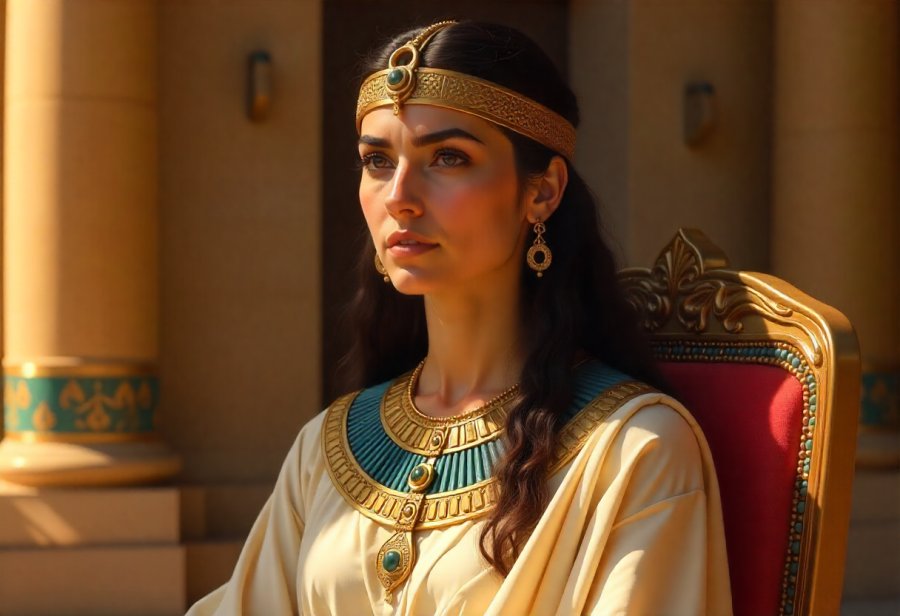
Future Horizons: Continued Discoveries and the Enduring Power of Cleopatra’s Intellectual Heritage
Looking ahead, the story of Cleopatra’s leadership as a scholar and strategist continues to inspire new research and fresh perspectives. Advances in archaeology and technology are gradually unveiling more details about her reign, from her multilingual skills to her patronage of Alexandria’s scientific and cultural institutions. As these discoveries unfold, her legacy as a leader rooted in intelligence and diplomacy will be reevaluated and expanded, offering a richer understanding of her true impact beyond the popular narrative.
Future studies are likely to explore more deeply how her ability to communicate across cultures shaped her diplomatic successes. Her mastery of languages and cultural literacy weren’t just tools for everyday diplomacy—they were vital to building trust and influence with diverse leaders and scholars. Examining her involvement in Alexandria’s scholarly scene could reveal how her support fostered scientific progress and philosophical debates, emphasizing her role as a pioneer who merged knowledge with power.
There’s also growing interest in how her leadership style can inform modern diplomacy. Cleopatra’s emphasis on soft power—using cultural influence, intelligence, and negotiation—remains strikingly relevant today. Her example encourages contemporary leaders to see influence as more than military or economic might, highlighting the importance of education, cultural understanding, and relationship-building as lasting tools for impact.
Ongoing archaeological work and scholarly research continue to deepen our appreciation for her engagement with science, philosophy, and diplomacy. As new evidence emerges, her reputation as a visionary who prioritized knowledge and learning will only grow. These insights reinforce her as a trailblazer among women in power, demonstrating how strategic thinking, cultural literacy, and resilience can secure sovereignty even in hostile environments.
Her story also invites reflection on the core qualities of leadership itself. Cleopatra’s ability to adapt swiftly, employ subtle diplomacy, and leverage intellectual agility offers a blueprint for effective leadership across eras. Her life exemplifies that influence stems from a combination of resilience, curiosity, and the capacity to foster learning—traits that remain vital in today’s complex world.
As the future of research unfolds, Cleopatra’s legacy will continue to evolve. New discoveries and interpretations will shed light on her engagement with science, philosophy, and cultural diplomacy, deepening her reputation as a leader who used her mind as her greatest asset. Her example reminds us that influence and power are rooted in knowledge, adaptability, and vision—timeless lessons for leaders everywhere.
In every sense, her life underscores that true leadership extends beyond the throne. It resides in the capacity to think deeply, communicate effectively, and inspire others through ideas. Cleopatra’s enduring influence highlights the importance of intellectual resilience and cultural literacy—qualities that empower leaders to shape history, just as she did in her time.