Imagine transforming your business communications into a tailored, seamless experience—are you ready to unlock this potential? Grandstream’s innovative telephony devices and cloud-managed platforms offer unprecedented customization and flexibility, enabling organizations to build scalable, efficient networks that adapt instantly to evolving needs. Their carrier-grade GRP series IP phones and diverse device portfolio excel in high-volume environments, supporting centralized management that simplifies deployment across multiple locations. But what if your current systems are rigid, limiting growth and responsiveness? This shift toward digital, IP-based telephony not only enhances operational efficiency but also elevates customer engagement through personalized features like auto-attendants and role-specific interfaces. As businesses embrace these future-ready solutions, they unlock faster, clearer communication—yet the question remains: how will your organization harness this technology to stay competitive in a rapidly changing landscape?
Revolutionize Communication with Customizable Telephony Solutions
Customizable telephony solutions are transforming the way businesses communicate, offering a level of flexibility that traditional systems simply can’t match. Instead of settling for one-size-fits-all setups, companies can now tailor their communication tools to fit their unique workflows and organizational needs. This customization ensures that every call, feature, and interface enhances productivity rather than hinders it, creating a seamless experience for employees and customers alike.
At the heart of these solutions is the ability to adapt technology to specific roles and tasks. Whether it’s assigning dedicated speed dial buttons for sales teams or automating call routing for customer service, personalized features help streamline daily operations. By integrating these tools into existing digital ecosystems, organizations can reduce response times and minimize errors, leading to more efficient interactions and higher satisfaction levels.
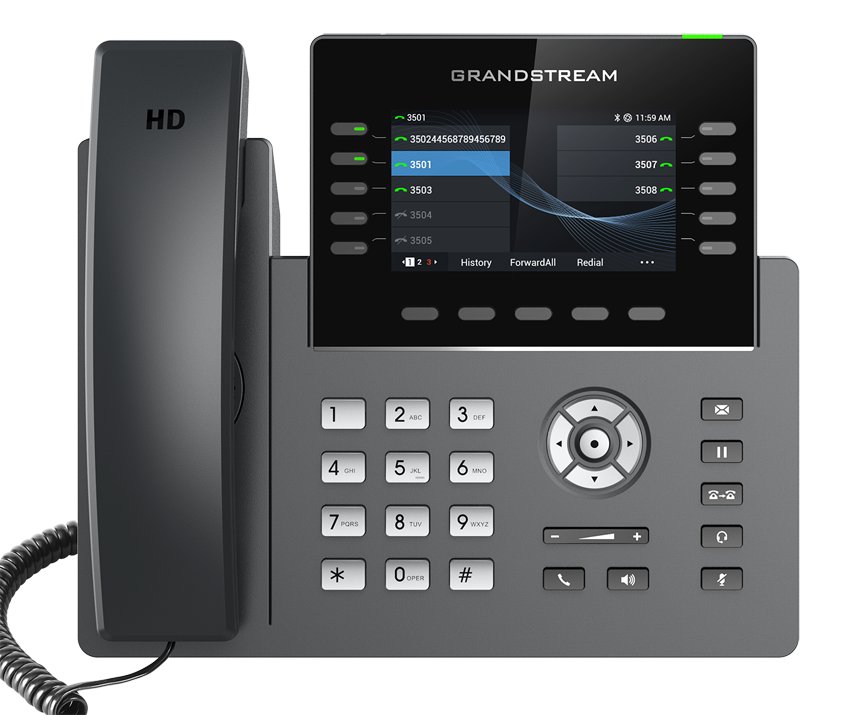
Modern IP-based systems powered by VoIP technology make this customization possible on a large scale. These digital platforms convert voice signals into data packets, enabling calls to travel over the internet with clarity and reliability. Devices like IP phones come with programmable keys, high-definition audio, and intuitive interfaces that can be configured remotely. When managed through centralized platforms such as Grandstream’s GDMS, deploying and maintaining these devices becomes a straightforward task, even across multiple locations.
Flexibility doesn’t stop at hardware. Cloud-managed telephony solutions allow organizations to update, configure, and troubleshoot devices from anywhere, eliminating the need for on-site visits. This kind of remote management supports rapid deployment and scaling, making it easier to adapt to growth or shifting business priorities. As companies expand, their communication infrastructure can evolve just as quickly, without sacrificing security or performance.
The customization capabilities extend to workflows and user experiences, enabling businesses to design communication networks that are both resilient and responsive. Automated features like auto-attendants, personalized call routing, and role-specific interfaces help employees serve customers more effectively. This tailored approach not only improves operational efficiency but also enhances the overall customer experience, giving organizations a competitive edge in today’s fast-paced market.
Ultimately, adopting customizable telephony solutions lays a foundation for future-proof communication networks. These systems are scalable, adaptable, and built to integrate with evolving digital tools. By investing in flexible, cloud-managed devices, businesses can stay agile, respond swiftly to new opportunities, and maintain seamless, high-quality communication — all while reducing operational complexity and costs. This strategic shift empowers organizations to communicate smarter, faster, and more effectively than ever before.
Building Blocks of Modern Telephony Technology
Modern telephony systems are built on a foundation of digital technology that enables efficient and reliable voice communication over networks. At their core, these systems convert traditional analog voice signals into digital data, facilitating fast and accurate transmission across local and wide-area networks. This digital shift, exemplified by Voice over Internet Protocol (VoIP), has revolutionized business communication by offering greater flexibility, scalability, and integration with other digital tools.
The key components supporting these systems include IP phones, session border controllers, and centralized management platforms. IP phones resemble traditional phones but operate entirely over the internet, supporting high-definition audio, video capabilities, and programmable keys. Session border controllers play a crucial role in managing and securing voice traffic, ensuring calls remain clear while safeguarding against malicious threats. Centralized management platforms, such as GDMS, empower IT teams to oversee large fleets of devices remotely, streamlining deployment, updates, and troubleshooting processes.
Advancements in telephony devices highlight a broader trend toward personalization and adaptability. Early models offered only basic calling functions, but modern digital phones integrate displays, customizable keys, and compatibility with various digital services. Devices from brands like Grandstream exemplify this evolution, supporting firmware updates, tailored features, and remote management. These innovations enable organizations to customize their communication tools to specific workflows—whether for customer support, sales, or internal collaboration—boosting overall efficiency.
Understanding these technological fundamentals reveals the advantages of digital and IP-based systems. They provide the ability to scale rapidly, deploy devices remotely, and ensure consistent performance across multiple locations. Protocols like SIP (Session Initiation Protocol) facilitate interoperability among diverse devices and vendors, fostering a flexible and open ecosystem. This technological backbone makes advanced features such as cloud management and remote provisioning feasible, creating a resilient and adaptable communication infrastructure.
Security and best practices are integral to these systems. Encryption protocols protect sensitive conversations, while network segmentation minimizes vulnerabilities. Standardized communication protocols ensure reliable interoperability, reducing errors and downtime. Cloud-based management platforms simplify device configuration, firmware updates, and security patches, all remotely and efficiently. Leveraging these core technologies allows organizations to build a future-proof telephony infrastructure capable of supporting ongoing innovation and growth.
The evolution of telephony technology underscores the importance of a solid foundation. Digital and VoIP systems offer not only the technical capabilities needed for modern business communication but also the agility to adapt as organizational needs change. By understanding and harnessing these core concepts, companies can deploy scalable, secure, and highly efficient communication networks that support their strategic objectives and enhance overall productivity.
Empowering Business Networks Through Digital Transformation
Many businesses today are seeing how the right telephony tools can significantly boost their digital transformation efforts. Instead of relying on rigid, outdated systems, companies are turning to flexible, customizable devices that adapt seamlessly to their specific workflows. Cloud-managed IP phones and centralized control platforms like Grandstream’s GDMS make it easier than ever to deploy, configure, and manage large fleets across multiple locations, enabling rapid updates and swift reconfigurations. This shift isn’t just about upgrading hardware; it’s about building a communication network that’s responsive, scalable, and aligned with evolving business goals.
Organizations are increasingly integrating these adaptable devices into their broader digital ecosystems. Features like remote provisioning and personalized user settings help streamline operations and improve employee productivity. For example, sales teams can have dedicated speed dial buttons linked directly to CRM systems, while support staff benefit from auto-attendants that route calls efficiently. These tailored solutions ensure each department has the right tools, leading to faster responses and better service delivery. This focus on customization translates into more efficient workflows and a noticeably enhanced customer experience.
The adoption of flexible telephony devices also reflects a broader embrace of digital innovation. Cloud-based management platforms enable IT teams to remotely configure, update, and troubleshoot devices, eliminating the need for on-site visits. This capability proves especially valuable for organizations with distributed teams or multiple locations, allowing them to scale quickly and deploy new features without disruption. As a result, businesses stay agile, responding to new opportunities or challenges with minimal delay, which keeps them competitive in a fast-changing environment.
Centralized management systems like GDMS have become essential to this transformation. They provide a single dashboard where IT teams can oversee thousands of devices, ensuring consistency, security, and optimal performance. Firmware updates, security patches, and feature rollouts happen remotely, reducing manual effort and minimizing errors. This streamlined approach not only accelerates deployment but also simplifies ongoing maintenance, freeing up resources for strategic initiatives. It keeps the entire communication infrastructure reliable, secure, and ready to grow alongside the business.
The shift toward cloud-enabled, customizable telephony devices is also reshaping how organizations interact with customers. Automated features such as auto-attendants and personalized call routing create more professional, efficient interactions. Employees equipped with devices tailored to their roles can access critical information instantly, leading to quicker responses and higher satisfaction. These innovations foster a more dynamic, responsive communication environment that supports both operational needs and customer expectations, positioning companies for success in today’s competitive landscape.
Looking ahead, this ongoing transformation signals a future where networks are more flexible, scalable, and intelligent. Businesses leveraging these advanced telephony solutions will find it easier to innovate, expand, and adapt to market changes. The ability to deploy and manage devices remotely, customize features for specific workflows, and integrate seamlessly with digital tools ensures organizations remain agile and resilient. Embracing these solutions is no longer optional—it’s a strategic necessity for organizations aiming to stay ahead and communicate more effectively than ever before.

Grandstream’s Versatile Device Portfolio for Every Business Need
Grandstream’s device portfolio offers a comprehensive selection of telephony endpoints designed to meet the diverse needs of modern organizations. Whether deploying a handful of phones for small teams or managing thousands across multiple locations, their range provides the flexibility, scalability, and ease of management essential for today’s dynamic business environments.
The flagship GRP series stands out for its robustness and high performance. These carrier-grade IP phones support multiple lines, high-definition audio, and customizable keys, making them ideal for high-volume environments like call centers, corporate offices, and hospitality settings. Their durable build and advanced features ensure reliable operation even in demanding conditions. When integrated with Grandstream’s centralized device management system (GDMS), deploying and maintaining these phones becomes efficient and straightforward, regardless of scale.
For organizations seeking cost-effective options without sacrificing quality, Grandstream offers a variety of entry-level models. These phones provide core functionalities such as call forwarding, voicemail, and conference calling, making them suitable for reception areas, remote workers, or departments with basic communication needs. Despite their simplicity, they support seamless integration into existing networks and digital workflows, ensuring consistent performance with minimal fuss.
Beyond traditional desk phones, Grandstream also supplies conference phones equipped with high-quality microphones and speakers. These units facilitate clear audio during meetings, whether in small or medium-sized conference rooms. Additionally, their cordless DECT devices bring mobility to the workplace, allowing users to move freely within their environment while maintaining a stable, secure call connection. This diversity of device options helps organizations craft a tailored communication ecosystem that adapts to varied operational demands.
A key advantage of Grandstream’s devices is their support for centralized management through GDMS. This cloud-based platform enables IT teams to configure, provision, and monitor thousands of devices remotely. Firmware updates, security patches, and new feature rollouts can be deployed quickly across entire networks, reducing manual effort and minimizing downtime. Such control ensures consistency, enhances security, and simplifies ongoing maintenance, especially for distributed or rapidly expanding organizations.
All devices in Grandstream’s portfolio adhere to the latest SIP standards, ensuring broad compatibility with various VoIP platforms and third-party systems. This open approach protects investments and provides freedom to switch or integrate with other solutions as needed. Firmware upgrades can be executed remotely, unlocking new features and security enhancements without hardware replacement—extending the lifespan and functionality of each device.
Durability and reliability are fundamental to Grandstream’s design philosophy. Their telephony endpoints are built to withstand demanding environments, delivering long-term operation with minimal issues. The user interfaces are intuitive, enabling quick onboarding and straightforward daily use. This focus on ease of use and resilience makes their devices suitable for both new deployments and upgrades, supporting a stable, efficient communication infrastructure.
Overall, Grandstream’s device portfolio serves as a versatile foundation for creating customized, scalable communication systems. Whether deploying high-end IP phones for executives or simple models for support staff, their offerings support a unified, manageable ecosystem. Combined with their advanced management tools, these devices help organizations streamline deployment, improve user experience, and secure their communications—paving the way for smarter, more responsive networks.