Can Toronto yards truly blend breathtaking beauty with ecological responsibility? This exploration reveals a transformative shift in landscape design, where native plants, water-efficient systems, and sustainable materials converge to create outdoor retreats that are both stunning and resilient. Gone are the days of resource-heavy, purely aesthetic landscapes; instead, eco-conscious practices now support biodiversity, reduce maintenance, and promote long-term environmental health. Through inspiring case studies and innovative technologies, homeowners discover how thoughtful planning turns outdoor spaces into personal sanctuaries that respect and enhance Toronto’s ecosystem. As the industry evolves, will future landscapes prioritize adaptability and climate resilience without sacrificing visual appeal? The answer lies in embracing a balanced approach that champions beauty and sustainability as inseparable partners—ultimately transforming yards into vital, dynamic parts of the city’s ecological fabric. Are you ready to reimagine your outdoor space as a harmonious blend of style and environmental stewardship?
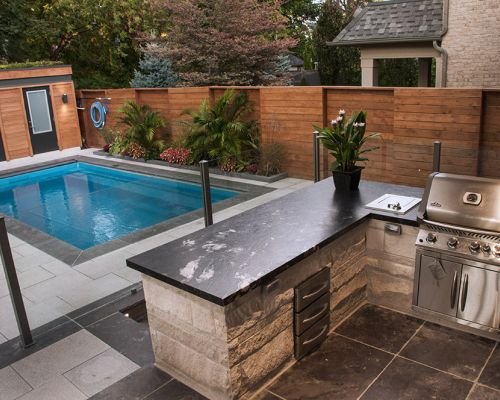
Balancing Beauty and Sustainability in Toronto’s Outdoor Retreats
Transforming a Toronto yard into a beautiful, functional outdoor retreat is about more than just planting a few trees or laying stones. Today’s landscape design aims to find the perfect balance between visual appeal, ecological responsibility, and what homeowners truly want. This approach isn’t just a passing trend—it’s a fundamental shift toward creating outdoor spaces that are both stunning and sustainable. Incorporating eco-friendly materials, native plants, and water-saving systems allows designers to craft yards that offer long-term enjoyment with minimal environmental impact.
This focus on sustainability has grown in response to increasing awareness of environmental challenges. Traditional landscaping often relied on non-native plants and resource-intensive features that looked good initially but demanded high maintenance and resources. Now, homeowners and designers are prioritizing native plants, efficient irrigation, and recycled materials to support local ecosystems, reduce water and chemical use, and build resilient landscapes that thrive with less intervention.
In Toronto, this shift reflects a broader understanding that beauty and ecological health go hand in hand. Landscape professionals are blending innovative design principles with advancements like smart irrigation and permeable paving, making eco-friendly practices more accessible and practical. As a result, sustainable landscapes no longer require sacrifices in aesthetics or convenience—they become harmonious spaces that support the city’s climate and biodiversity while serving as personal retreats.
Creating these outdoor spaces depends on thoughtful plant selection, water management, and eco-conscious materials. When combined, these elements produce a balanced environment that is as visually appealing as it is environmentally responsible. Collaboration between homeowners and designers ensures that each yard reflects personal style while respecting local ecology, whether it’s a lush garden, a peaceful sanctuary, or a lively entertainment area.
Looking ahead, the future of Toronto’s landscape design is promising. Emerging technologies like smart irrigation and eco-friendly materials will make sustainable practices even easier and more effective. As awareness deepens, landscapes will become more resilient and better equipped to support biodiversity and climate adaptation. This ongoing evolution promises outdoor retreats that are not only beautiful but also vital to the health of Toronto’s environment and community.
By embracing these principles now, homeowners can enjoy outdoor spaces that truly reflect harmony between human design and nature’s needs. It’s about creating environments that are beautiful, functional, and responsible—spaces where style and sustainability coexist seamlessly. This balanced approach ensures that every yard becomes a personal oasis and a contribution to a healthier, more sustainable city.
From Traditional to Eco-Conscious: The Evolution of Toronto Landscape Design
Toronto’s landscape design has seen a significant transformation over the years. Not long ago, yards primarily focused on creating neat, attractive spaces with conventional materials like concrete walkways, decorative water features, and non-native plants. These designs prioritized appearance but often overlooked sustainability, requiring high maintenance and heavy resource use. As environmental awareness grew, designers and homeowners started questioning whether beauty had to come at the planet’s expense.
This shift gained momentum as the impacts of traditional landscaping practices became clearer. Non-native plants, which often needed extra watering, fertilizers, and pesticides, fell out of favor. Instead, native plants that naturally flourish in Toronto’s climate and soil became the new standard. They require less water and chemical input, supporting local biodiversity and cutting down on ongoing maintenance. This change marked a move toward landscapes that are not only beautiful but also resilient and environmentally responsible.
Pioneering landscape architects like Martha Schwartz and James Cleveland helped drive this evolution. They championed the use of native plants and sustainable materials, integrating water conservation techniques and recycled elements into their designs. Their work inspired local professionals to adopt more eco-friendly practices, blending aesthetic appeal with ecological integrity. Advances in technology, such as smart irrigation systems and permeable paving, made these sustainable options more practical and user-friendly.
Today, Toronto’s landscape scene reflects a balanced approach. Designers now combine native planting, water-efficient systems, and eco-conscious materials to craft outdoor spaces that are both beautiful and environmentally supportive. This ongoing evolution demonstrates that sustainability and aesthetics are no longer mutually exclusive but can coexist seamlessly, creating landscapes that endure and thrive.
The broader mindset has shifted from short-term visual appeal to a focus on ecological health and long-term resilience. Landscapes are now seen as vital components of urban ecology, helping to mitigate climate effects and support local ecosystems. This perspective encourages ongoing care practices like seasonal pruning, mulching, and organic fertilization, ensuring that these gardens remain vibrant and sustainable over time.
Technology continues to accelerate this progress. Tools such as weather-adjusted irrigation controllers and environmentally friendly building materials are making sustainable landscaping more accessible. These innovations help homeowners reduce water consumption and minimize environmental impact without sacrificing beauty. As a result, sustainable landscape design is becoming more sophisticated and easier to implement, benefiting both the environment and the homeowner.
Looking ahead, Toronto’s landscape design will likely become even more innovative and resilient. As climate challenges intensify, designers will develop new ways to create outdoor spaces that adapt and flourish. The integration of smart features, wildlife habitats, and modular elements will enhance both the visual appeal and functionality of these yards. This future-focused approach will ensure outdoor retreats remain beautiful, sustainable, and supportive of Toronto’s natural environment.

Core Principles for Crafting Beautiful, Eco-Friendly Yards
Creating a beautiful, eco-friendly yard begins with understanding some core principles that guide sustainable landscape design. Central to this is prioritizing native plants, which are naturally adapted to Toronto’s climate and soil conditions. These plants require less water, fertilizers, and pesticides, making them easier to maintain while supporting local biodiversity. Choosing native species not only reduces resource consumption but also creates a resilient landscape that thrives with minimal intervention.
Water efficiency is another fundamental aspect. Installing drip irrigation, rain sensors, and rainwater harvesting systems ensures plants receive the right amount of water without excess waste. These systems conserve resources and lower water bills, while permeable materials for pathways and patios allow rain to naturally seep into the ground. This approach helps recharge groundwater, reduce runoff, and promote a healthier ecosystem in the yard.
Eco-conscious materials play a crucial role as well. Opting for permeable pavers, recycled wood, and organic soil conditioners minimizes environmental impact and enhances the sustainability of the landscape. These choices support durability and beauty while encouraging natural water flow and soil health. Thoughtfully combining these elements results in a space that balances visual appeal with ecological responsibility.
Designing with purpose involves organizing the yard into functional zones—whether for lounging, gardening, or entertaining—while maintaining harmony with the environment. Strategic placement of native plants and features creates a welcoming atmosphere that’s easy to enjoy and care for. Adding focal points like a water feature or a striking tree enhances visual interest without compromising sustainability. The goal is to craft a space that feels both inviting and environmentally supportive.
Understanding client preferences remains key to success. Engaging homeowners through active listening and guiding them toward eco-friendly options ensures the final landscape aligns with their vision. Native planting, water-saving systems, and sustainable materials are integrated seamlessly into the design, resulting in outdoor retreats that are both beautiful and responsible. This collaborative process fosters a sense of ownership and pride, making sustainable landscaping a truly personal achievement.
Real-World Success: Case Studies of Sustainable Toronto Landscapes
Real-world examples bring the principles of sustainable landscape design in Toronto vividly to life, showing how thoughtful choices can deliver both beauty and ecological resilience. One project transformed a modest backyard into a lush oasis by prioritizing native plants, permeable pavers, and rainwater harvesting. The homeowners desired a low-maintenance, eco-friendly space that still felt inviting. By selecting native species adapted to Toronto’s climate, they reduced watering needs and supported local pollinators. Incorporating permeable pavers allowed rainwater to naturally seep into the ground, decreasing runoff and recharging groundwater. A discreet rainwater collection system further minimized water use, demonstrating how small innovations can have a big environmental impact.
Another example highlights a Toronto residence where aesthetics and sustainability come together seamlessly. The design integrated native plants, a small pond, and energy-efficient outdoor lighting. The native plants flourish with minimal care, creating a vibrant, natural look, while the pond serves as a habitat for local wildlife and a calming focal point. LED lighting subtly highlights key features without excessive energy use, creating a cozy ambiance for evening gatherings. This project proves that eco-minded choices, when thoughtfully integrated, elevate outdoor spaces into inviting retreats that also support the local ecosystem.
These projects illustrate how accessible sustainable practices are for homeowners across Toronto. Simple steps like choosing native plants or installing water-efficient irrigation can significantly cut resource consumption. Features such as rain gardens and permeable patios enhance environmental benefits while adding character to the yard. Working closely with clients ensures their personal style is reflected, with eco-friendly options woven into the design. The result is an outdoor space that’s both inspiring and responsible, blending beauty with environmental care.
Clear communication during the design and installation process is key. Regular updates and explanations of eco-friendly features help homeowners understand their benefits, encouraging ongoing maintenance and stewardship. When clients are involved from the start and stay informed, their confidence and satisfaction grow, making it more likely that the final landscape will exceed expectations. This collaborative approach ensures that the project remains aligned with both aesthetic and ecological goals, creating a seamless transition from vision to reality.
Maintaining these landscapes is straightforward when homeowners adopt sustainable practices like seasonal pruning, mulching, and organic fertilizing. Monitoring water systems ensures they operate efficiently, saving resources and reducing costs. Such low-impact upkeep preserves the landscape’s health and beauty over time, turning it into an ongoing success story that supports Toronto’s biodiversity. These examples demonstrate that creating a sustainable, beautiful yard doesn’t require excessive effort or expense—just thoughtful planning, clear communication, and a commitment to environmental stewardship.
Innovating for the Future: Trends in Resilient and Ecological Landscape Design
Looking ahead, Toronto’s landscape design is poised for continued innovation driven by new technologies and a deeper understanding of ecological needs. Smart irrigation systems that adjust watering based on real-time weather data will make water conservation easier and more effective. Eco-friendly materials and modular features are set to become more accessible, allowing homeowners to craft outdoor spaces that are both beautiful and resilient. As climate challenges intensify, designing landscapes that adapt and support biodiversity will be vital, ensuring yards remain vibrant and functional over the long term.
Designers will explore creative ways to elevate outdoor retreats, integrating features like smartphone-controlled lighting, wildlife-friendly water features, and flexible layouts that evolve with homeowners’ needs. These innovations will enhance not only the aesthetic appeal but also the usability of outdoor spaces, turning them into personalized sanctuaries that blend comfort with ecological responsibility. This forward-looking approach emphasizes that sustainable landscape design is not static but a constantly evolving craft that responds to environmental challenges with ingenuity.
Education will play a crucial role in fostering responsible landscaping habits. When homeowners understand how native plants, water conservation, and eco-conscious materials work together, they become active stewards of their yards. Providing ongoing support and accessible resources encourages long-term care, helping landscapes thrive amidst changing climate conditions. In this way, sustainable practices become part of everyday life, transforming outdoor spaces from projects into living environments that support biodiversity and community well-being.
Community involvement will deepen as more homeowners embrace eco-friendly design. Neighborhoods will become greener and more resilient, with shared green spaces and private yards contributing to Toronto’s ecological vitality. Collaborative efforts and local policies that promote sustainable practices can inspire innovation and collective responsibility, positioning the city as a leader in eco-conscious urban living. These efforts will create interconnected landscapes that benefit both residents and the environment.
By combining technological advances, innovative design, homeowner education, and community action, Toronto’s outdoor spaces will evolve into more than just aesthetically pleasing yards—they will become integral parts of a healthier, more sustainable city. Each project will serve as a model of how beauty and ecology can coexist seamlessly, setting a standard for responsible landscape development. This holistic approach ensures that outdoor retreats support the city’s natural systems while providing personal sanctuary and enjoyment.
Resilient landscapes that support native flora, manage water efficiently, and utilize sustainable materials will help mitigate urban heat, improve air quality, and foster biodiversity. These practices will become more widespread as awareness grows and industry standards shift. The goal is to create environments that not only look good but also contribute meaningfully to Toronto’s ecological health, climate resilience, and quality of life.
Remaining adaptable and receptive to new ideas will be key as the industry advances. From innovative plantings to smart features, every enhancement will help outdoor spaces better serve both people and nature. Embracing change ensures that Toronto’s landscapes remain vibrant and sustainable, reflecting a commitment to harmony between human needs and ecological integrity. In this way, outdoor retreats will continue to evolve into vital, living parts of the city’s future—beautiful, resilient, and responsible.