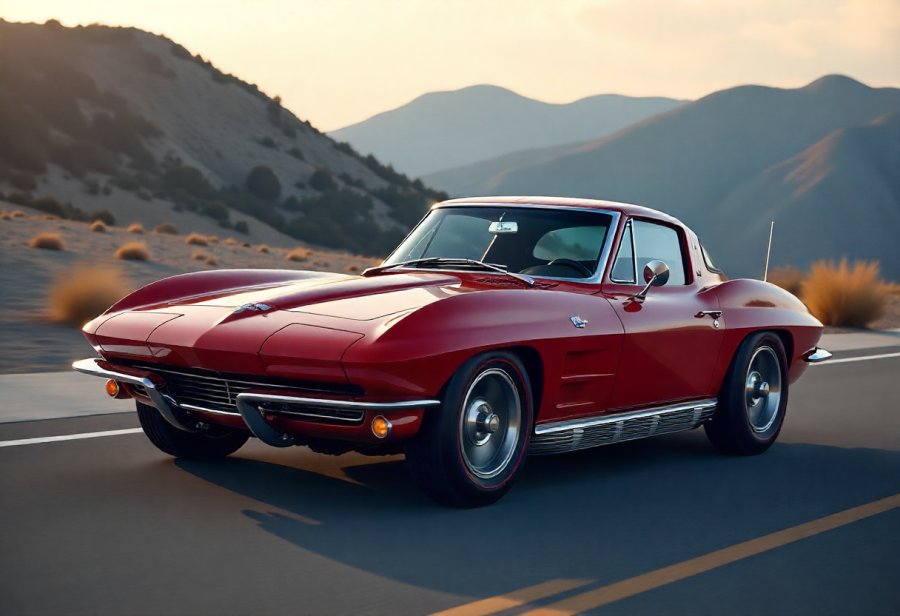
Step into the roaring world of the 1970s Chevrolet SS, a symbol of American muscle car greatness that embodies raw power, daring style, and rebellious spirit. From the thunderous 454 big-block engine to bold design cues like cowl-induction hoods and racing stripes, these cars weren’t merely transportation—they were rolling icons of freedom, confidence, and daring innovation. Despite economic and regulatory challenges, their legacy persisted, fueling a passionate community of collectors, restorers, and enthusiasts who preserve and celebrate their hypnotic blend of performance and style. Today, the Chevrolet SS remains a cultural touchstone, inspiring modern interpretations and electric revivals that honor its daring roots. Are these vintage beasts destined to fade, or will their thunderous roar continue to ignite passion and innovation for generations to come? One thing is certain: the spirit of American muscle—bold, powerful, and unyielding—still drives forward.
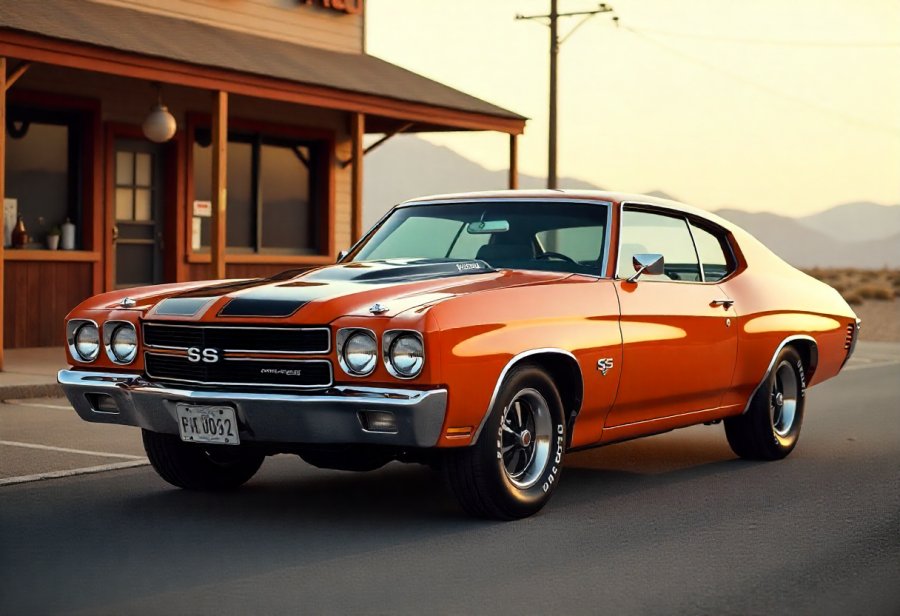
The Bold Legacy of the 1970s Chevrolet SS: Power, Style, and Cultural Iconography
The Chevrolet SS of the 1970s stands as a bold symbol of American muscle car greatness, capturing the spirit of an era defined by raw power and daring style. These vehicles weren’t just about getting from point A to B—they were rolling expressions of rebellion and confidence, turning heads wherever they appeared. With their muscular lines, aggressive front grilles, and distinctive design cues, they commanded attention and admiration. The Chevelle SS 454, in particular, became legendary for its monstrous engine that delivered staggering horsepower, making every drive feel like a high-speed showdown.
During this decade, muscle cars like the Chevrolet SS pushed boundaries despite economic hurdles such as rising fuel prices and tightening emissions standards. Yet, manufacturers remained committed to performance, infusing their cars with bold styling elements like cowl-induction hoods, racing stripes, and wide rally wheels. These features weren’t just aesthetic—they boosted performance and added to the cars’ commanding presence on the street. Every detail was designed to evoke excitement and showcase American ingenuity.
Beyond their impressive specifications, these cars became cultural icons. They embodied a rebellious attitude that resonated across movies, music, and street racing scenes. Their roaring engines and striking appearances symbolized freedom, risk-taking, and the pursuit of speed. For enthusiasts, owning a Chevrolet SS wasn’t just about the thrill of driving; it was about connecting to a legacy of daring innovation and bold design that defined the muscle car era.
As the decade advanced, challenges mounted—stricter government regulations and economic shifts began to temper the raw power of these cars. Still, the spirit of the Chevrolet SS persisted, with manufacturers finding ways to keep performance alive, even if it meant dialing back some horsepower. Today, these cars are treasured collector’s items, cherished for their design, performance, and the nostalgic thrill they evoke. Restored or preserved, they serve as enduring symbols of a time when American muscle cars ruled the roads with unmatched swagger.
In essence, the Chevrolet SS of the 1970s is more than a vintage vehicle; it’s a testament to American daring and innovation. Its legacy continues to inspire collectors, car lovers, and pop culture alike. These iconic machines remind us of an age when horsepower and style defined a generation—an era that still fuels passion and admiration today. Whether roaring down a highway or sitting proudly in a collection, the 1970s Chevrolet SS remains a powerful emblem of muscle car history.
Deep Roots of the Muscle Car Era: From Rebellion to Revolution
The muscle car era in America started in the late 1950s and really took off during the 1960s, driven by a hunger for power, style, and freedom on the open road. These cars weren’t just transportation—they became symbols of rebellion and youthful independence. The Pontiac GTO, introduced in 1964, is often credited as the first true muscle car, blending everyday usability with impressive horsepower. It set the stage for a cultural phenomenon where owning a muscle car meant more than just driving; it was a statement of attitude and daring.
As designers pushed boundaries, muscle cars evolved into rolling works of art. Stripes, hood scoops, and bold colors made them stand out, while engineering improvements enhanced speed and agility. Big-block engines from brands like Chevrolet, Pontiac, and Dodge produced thunderous horsepower, creating a soundtrack that defined an era. These vehicles weren’t just fast—they embodied daring and defiance, capturing the imagination of a generation eager to push limits and break norms.
The roots of muscle cars trace back to the late 1950s, when automakers started pairing high-performance engines with practical, mid-sized bodies. The Pontiac GTO is widely recognized as the pioneer, offering powerful V8s at a relatively affordable price. This sparked fierce competition among American brands, leading to iconic models like the Ford Mustang and Dodge Charger. These cars became ingrained in pop culture, appearing in movies, music, and street racing scenes, symbolizing American ingenuity and a rebellious spirit.
Over time, muscle cars transitioned from simple performance machines to icons of style and personality. Manufacturers introduced racing stripes, bright hues, and aggressive grilles that made each model unique. Technological advancements in suspension and engine management made these cars faster and more capable, reinforcing their role as symbols of freedom and individualism. They became staples in movies and music, reinforcing their image as vehicles of rebellion and American pride.
By the early 1970s, however, the muscle car scene faced mounting challenges. Rising fuel prices, stricter emissions standards, and safety regulations began to limit performance and influence design. Despite these obstacles, models like the Chevelle SS 454 and Camaro SS remained popular, often serving as the last bastions of raw power before the industry shifted toward smaller, more fuel-efficient cars. Still, the cultural impact of muscle cars persisted, symbolizing a rebellious, daring era that refused to be forgotten.
Today, the legacy of the muscle car era endures through passionate collectors, restorers, and enthusiasts. These cars continue to inspire admiration and nostalgia, often showcased at car shows and automotive festivals. Their bold designs and thunderous engines evoke a sense of freedom and daring, reminding us of a time when horsepower ruled the streets. The muscle car’s story is far from over; it remains a powerful symbol of American innovation and rebellion, echoing the roar of the past into the future.
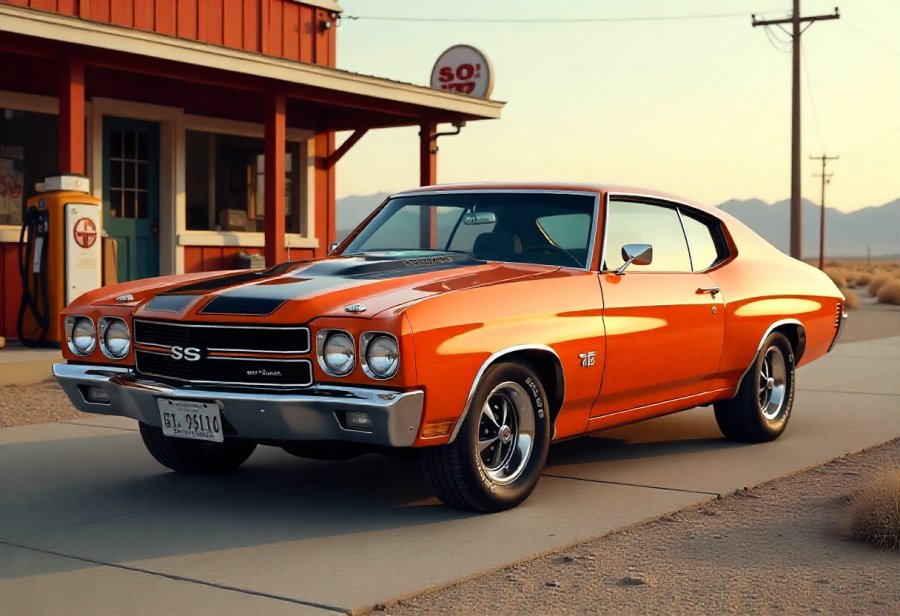
The Current Reverence for the 1970s Chevrolet SS: Collector’s Pride and Cultural Significance
Today, the 1970s Chevrolet SS holds a special place in the hearts of car enthusiasts and collectors worldwide. Its reputation as a symbol of American muscle and style continues to grow, driven by nostalgia and a renewed appreciation for vintage performance cars. Many collectors actively seek out original models or dedicate years to restoring them to their former glory, with these cars often taking pride of place at car shows and muscle car events. The combination of iconic design and the powerful 454 big-block engine makes them highly desirable, often fetching top dollar at auctions and private sales. Despite their age and rarity, the allure of the Chevrolet SS remains strong, with well-preserved examples evoking admiration and respect from new and seasoned fans alike.
Beyond the garage, the cultural significance of the 1970s Chevrolet SS extends deeply into popular media. These cars frequently appear in movies, TV shows, and music that celebrate the golden age of American muscle cars, reinforcing their status as icons of rebellion and freedom. Enthusiasts enjoy sharing stories of restoration projects or memorable drives, which further cements their legendary reputation. Car clubs and automotive festivals serve as vibrant hubs where owners showcase their restored or original models, creating communities dedicated to preserving and celebrating muscle car heritage. This ongoing interest keeps the legacy alive, inspiring new generations to appreciate the daring spirit these cars represent.
However, the perception of these vehicles isn’t without nuance. Growing environmental concerns and stricter regulations have shifted attitudes toward muscle cars with large engines like the 454. Critics point out their contribution to pollution and safety issues, leading to limits on modifications and engine sizes. Yet, many enthusiasts see these cars as vital pieces of American automotive history, worth preserving despite evolving standards. Restorations can be complex and costly, often requiring sourcing rare parts and meticulous attention to detail. Still, the passion for maintaining their authenticity keeps the spirit of the muscle car era vibrant and alive.
Restoring a Chevrolet SS is more than a hobby—it’s a dedication to craftsmanship and history. Owners invest significant time and resources to bring these cars back to life, often relying on online communities, vintage parts suppliers, and dedicated forums. Each restored vehicle becomes a moving artifact of a bygone era, inspiring pride and nostalgia. Participating in car shows and meets provides opportunities to share stories, celebrate craftsmanship, and connect with fellow enthusiasts. These moments reinforce the cultural importance of the Chevrolet SS and its role as a symbol of American daring and innovation.
The influence of the 1970s Chevrolet SS extends beyond preservation; it continues to shape modern automotive design. Many contemporary models draw inspiration from its bold lines, wide stance, and aggressive styling—visual cues that remain instantly recognizable. Innovations in aerodynamics and lightweight materials improve performance while honoring the classic aesthetic. Additionally, the rise of electric muscle cars reflects an evolving desire to blend nostalgia with modern technology, promising high performance with lower environmental impact. This evolution demonstrates how the legacy of the Chevrolet SS adapts and endures, bridging past and future in the ongoing story of American muscle.
The cultural relevance of these cars remains strong, fueled by social media, car clubs, and automotive events that celebrate both vintage and modern iterations. Owners and fans share their restoration stories, racing exploits, and customization projects, creating a global community passionate about muscle car heritage. These shared experiences keep the legend alive and inspire new enthusiasts to embrace the rebellious, daring spirit that made these vehicles icons. As the scene continues to evolve with technological advances and sustainability efforts, the essence of the 1970s Chevrolet SS—power, style, and American ingenuity—remains a powerful symbol for generations to come.
Reviving Nostalgia: The Enduring Power and Passion of the Chevrolet SS
The nostalgic power of the Chevrolet SS from the 1970s continues to resonate deeply with today’s car enthusiasts and collectors. More than just a vintage vehicle, it symbolizes an era when American muscle cars reigned supreme—powerful, daring, and full of attitude. For many owners, restoring or owning a Chevrolet SS isn’t solely about nostalgia; it’s a way to connect with a shared history rooted in rebellion, freedom, and raw performance. Driving these cars offers a firsthand experience of that exhilarating spirit, keeping the legacy alive and vibrant for new generations.
Enthusiasts often draw inspiration from the bold design and thunderous engine that made these cars iconic. Restorations begin with sourcing original or period-correct parts, aiming to preserve the authentic look and feel. Whether it’s repainting in classic hues like Hugger Orange or upgrading suspension and brakes, each project becomes a personal tribute to the golden age of muscle cars. These efforts ensure that the muscle car’s signature style and performance continue to turn heads and spark admiration.
Driving a vintage Chevrolet SS isn’t just about getting from point A to B; it’s about reliving a moment in automotive history. Participating in car shows and muscle car events, owners share stories of restoration journeys or memorable drives, deepening their emotional bond with these vehicles. The roar of the big-block engine and the aggressive stance evoke powerful feelings of freedom and rebellion—emotions that still inspire pride and a sense of belonging within the muscle car community.
The cultural significance of the Chevrolet SS extends well beyond individual garages. It’s frequently featured in movies, TV shows, and music that celebrate the rebellious spirit of American muscle cars. These appearances reinforce its status as an icon of speed and independence, inspiring new fans and enthusiasts alike. Car clubs and automotive festivals serve as lively gatherings where owners showcase their restored or original models, passing down the legacy and fostering a shared passion for muscle car heritage.
However, the preservation of these vehicles isn’t without challenges. Growing environmental concerns and stricter regulations have shifted perceptions of large-engine muscle cars like the 454. Critics highlight their contribution to pollution, while enthusiasts view them as vital artifacts of American automotive history worth protecting. Sourcing authentic parts and maintaining originality can be demanding and costly, but the passion for keeping the spirit alive keeps these cars relevant and admired.
Restoring a Chevrolet SS is a labor of love, requiring dedication, resources, and a community of like-minded enthusiasts. Online forums, vintage parts suppliers, and dedicated clubs connect restorers across the globe, making the process more accessible. Each completed project becomes a tangible link to a bygone era, a mobile piece of history that inspires pride and nostalgia. These efforts ensure the muscle car’s story continues to be celebrated and shared.
Today’s automotive design still echoes the bold lines and aggressive stance of the 1970s Chevrolet SS. Modern interpretations incorporate retro-inspired styling, blending nostalgic appeal with contemporary technology. Electric muscle cars, promising instant torque and high performance, are emerging as the next chapter—proof that the rebellious spirit of the original can evolve without losing its core essence. The legacy of the Chevrolet SS remains a powerful symbol of American daring, fueling passions today and into the future.
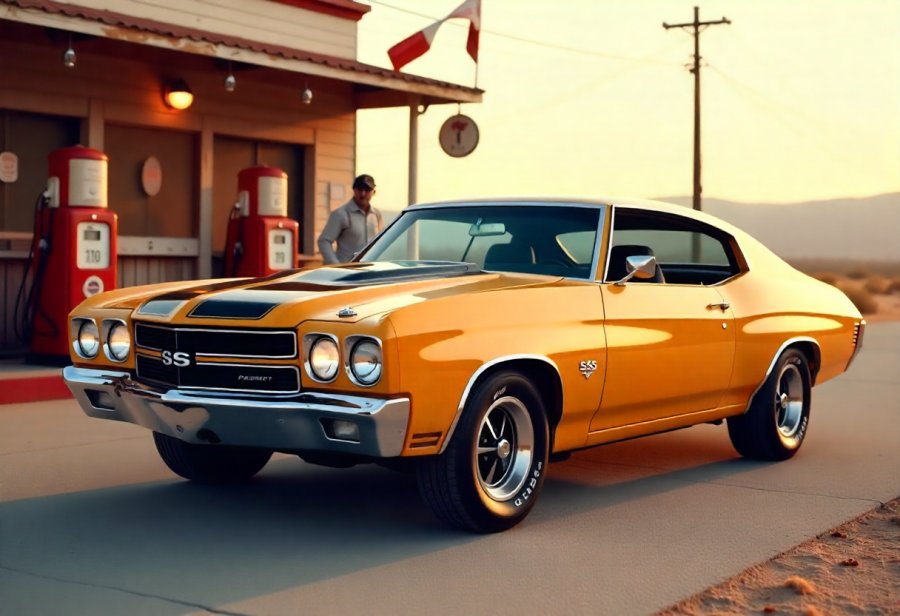
Gazing Forward: The Evolution and Future of Muscle Cars in a Changing World
The future of muscle cars is shaping up to be as dynamic and innovative as their legendary past. While the deep roar of a big-block V8 remains a powerful symbol of American horsepower, automakers are increasingly blending nostalgia with cutting-edge technology. Electric muscle cars, for example, deliver instant torque and exhilarating acceleration, proving that the rebellious spirit of muscle cars can evolve without losing its core identity. These vehicles showcase how performance and environmental responsibility can go hand in hand, opening new doors for enthusiasts eager to embrace the thrill of speed in a greener way.
Design-wise, modern muscle cars draw heavily on their roots, with bold lines, wide stances, and aggressive grilles that pay homage to classics like the Chevelle SS and Camaro SS. This visual continuity ensures that the nostalgic swagger remains intact while integrating advancements like lightweight materials and aerodynamic enhancements. These innovations make today’s models not only more efficient but also more agile and fun to drive, bridging the gap between the raw power of the past and the precision of the present.
Enthusiasts and builders are pushing boundaries further through a mix of vintage restorations and innovative customizations. Upgrading suspension systems, digital diagnostics, and lightweight parts keep these cars capable and reliable, appealing to a new generation of drivers hungry for high performance with modern comforts. This blending of old-school attitude and new-school technology keeps the muscle car scene vibrant, ensuring its relevance for years to come. It’s a seamless evolution that respects tradition while embracing progress.
Cultural interest continues to grow, fueled by social media, car clubs, and automotive festivals that celebrate both vintage icons and the latest electric marvels. Sharing stories of restoration, racing exploits, and personal modifications, enthusiasts foster a global community rooted in the rebellious, daring spirit that defines muscle cars. This collective passion guarantees that the legacy remains alive, inspiring curiosity and admiration across generations. The enduring appeal lies in the cars’ ability to symbolize freedom, innovation, and American ingenuity—values that never go out of style.
Looking ahead, sustainability will play an increasingly important role in the muscle car story. Automakers are experimenting with bio-fuels, hybrid systems, and other eco-friendly technologies designed to deliver high performance with a reduced environmental footprint. While these advancements are still emerging, they exemplify a broader shift toward responsible innovation that doesn’t sacrifice power or style. As muscle cars continue to adapt, their core message of daring individuality and raw energy will remain intact, proving that even as the world changes, the spirit of American muscle cars endures and evolves.