The Ford Mustang stands as an enduring symbol of American independence, power, and rebellion—yet what truly sustains its legendary status across generations? Since launching in 1964, this muscle car has evolved from a sleek, affordable icon to a modern marvel blending cutting-edge technology with timeless design elements. Its bold silhouette and roaring engines evoke raw emotion, while its cultural presence in movies, music, and pop culture cements its role as a symbol of freedom and individuality. Ford’s continuous innovation, from high-performance variants to hybrid and electric options, keeps the Mustang relevant without losing its rebellious spirit. But as the automotive world shifts toward sustainability, can the Mustang’s legacy adapt without sacrificing its soul? This journey of reinvention—balancing tradition with modern innovation—invites enthusiasts and newcomers alike to chase their dreams, embrace independence, and keep the legend alive for future generations.
Unveiling the Icon: The Ford Mustang’s American Spirit
The Ford Mustang isn’t just a car—it’s an enduring symbol of American spirit. Since its debut in 1964, it has captured the imagination of drivers and enthusiasts, representing more than just transportation. The Mustang embodies ideals of freedom, adventure, and individualism, making it a true icon in the world of automotive culture. Its distinctive design and accessible price point helped it quickly become a household name, inspiring a sense of rebellion and independence that resonates even today.
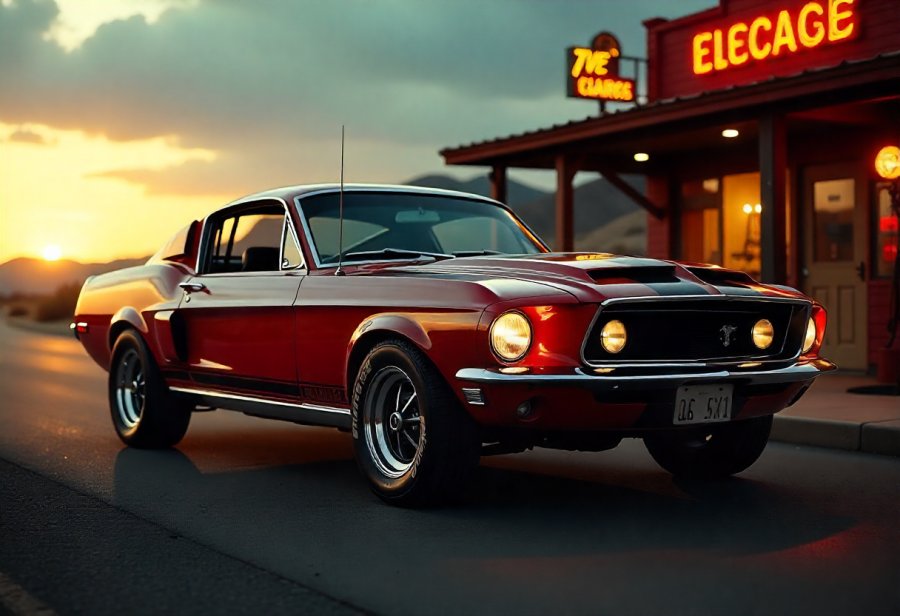
From the moment it hit the streets, the Mustang set itself apart with a sleek, muscular look that suggested power and motion. Its signature pony grille, long sculpted hood, and fastback roofline created an instantly recognizable silhouette that has endured through decades of design changes. Every detail, from racing stripes to chrome accents, was crafted to evoke performance and strength, reinforcing its reputation as a vehicle built for daring driving experiences.
Throughout its history, the Mustang has played a significant role in shaping American car culture. It became a staple in movies like “Bullitt” and “Gone in 60 Seconds,” where its speed and attitude underscored its status as a symbol of rebellion. Musicians and pop icons embraced the car, embedding it deeper into the collective consciousness as a representation of freedom and daring. This cultural presence has helped solidify the Mustang’s legacy as more than just a muscle car; it’s a lifestyle.
The Mustang’s significance lies not only in its bold appearance but also in its ongoing evolution. Over the decades, it has maintained its core identity while adapting to changing tastes and technologies. Its design balances tradition with innovation, ensuring it remains relevant for new generations of drivers. Whether it’s through modern performance features or timeless styling cues, the Mustang continues to inspire admiration and loyalty.
What makes the Mustang truly legendary is its ability to symbolize more than just speed—it stands for the American ideals of independence and resilience. It’s a vehicle that invites owners to express themselves, to chase their dreams, and to break free from convention. As an icon of muscle and freedom, the Mustang’s impact goes far beyond the road, shaping a cultural narrative that endures across generations.
Decades of Power: Tracing the Mustang’s Evolution
The story of the Mustang’s evolution is a testament to Ford’s ability to adapt and innovate over more than fifty years. When it first launched in 1964, the Mustang created a new category of affordable, sporty cars that instantly captured the public’s imagination. Its sleek design, featuring a long hood and short rear deck, along with a variety of engine options, set it apart from other vehicles of its time. The initial success laid a strong foundation for a series of updates aimed at keeping the Mustang fresh while preserving its core identity as an American muscle car icon.
By the late 1960s, the Mustang’s reputation soared with the introduction of models like the Shelby GT350 and GT500. These high-performance variants pushed the boundaries of speed and style, turning the Mustang into a legend on both the street and the race track. Their aggressive styling and powerful V8 engines appealed to enthusiasts eager for adrenaline and dominance, reinforcing the car’s image as a true American muscle icon.
The 1970s brought significant challenges, including tighter emissions standards and rising fuel prices. Responding to these shifts, Ford downsized the Mustang in 1974 with the second-generation model. Smaller and more fuel-efficient, it reflected changing market demands while still maintaining a sporty appeal. Though some purists saw this as a departure from the muscle car tradition, it helped the Mustang stay relevant through a period of evolving automotive priorities.
The early 2000s marked a turning point with the 2005 remake, which aimed to revive the retro charm of the original models. Ford balanced modern engineering with nostalgic design cues, creating a fresh look that reignited interest in the Mustang. This model set the stage for high-performance versions like the Shelby GT500 and Mach 1, which combined advanced technology with increased power, pushing the limits of modern muscle cars.
Throughout its history, technological advancements have played a crucial role in shaping the Mustang. From carbureted V8 engines to turbocharged and hybrid powertrains, Ford has continually upgraded its performance capabilities. Features like electronic fuel injection, adaptive suspension, and driver assistance systems have made the Mustang more refined and accessible without sacrificing its performance DNA. Each generation builds on the last, blending innovation with tradition to keep the legend alive.
Design has also evolved, balancing tradition with modern trends. The Mustang’s muscular lines, signature grille, and performance-inspired details have been refined over the decades, yet the core silhouette remains instantly recognizable. This careful balance of innovation and heritage has helped the Mustang stay relevant in a competitive market, appealing to both nostalgic fans and new drivers alike.
Ford’s commitment to innovation extends beyond design. Today’s Mustangs feature turbocharged engines, hybrid options, and advanced safety and tech features, making them more versatile and appealing to a broader audience. These upgrades demonstrate a dedication to staying ahead of industry trends while preserving the rebellious spirit that defines the model.
The ongoing evolution of the Mustang shows how a classic can stay modern without losing its soul. By blending tradition with cutting-edge technology, Ford ensures the Mustang remains a symbol of American resilience and passion. Its story is one of continuous reinvention, inspiring new generations to chase freedom and embrace the thrill of the ride.
Timeless Symbolism: The Mustang’s Enduring Legacy
The Ford Mustang has become more than just a vehicle; it’s a powerful symbol deeply embedded in American culture. Its bold design, roaring engines, and appearances in movies, music, and media have cemented its reputation as an icon of strength, independence, and rebellion. From its debut, the Mustang embodied the ideals of freedom—an invitation to break free from conformity and celebrate individuality. This message of liberation continues to resonate, making it a timeless emblem of American spirit.
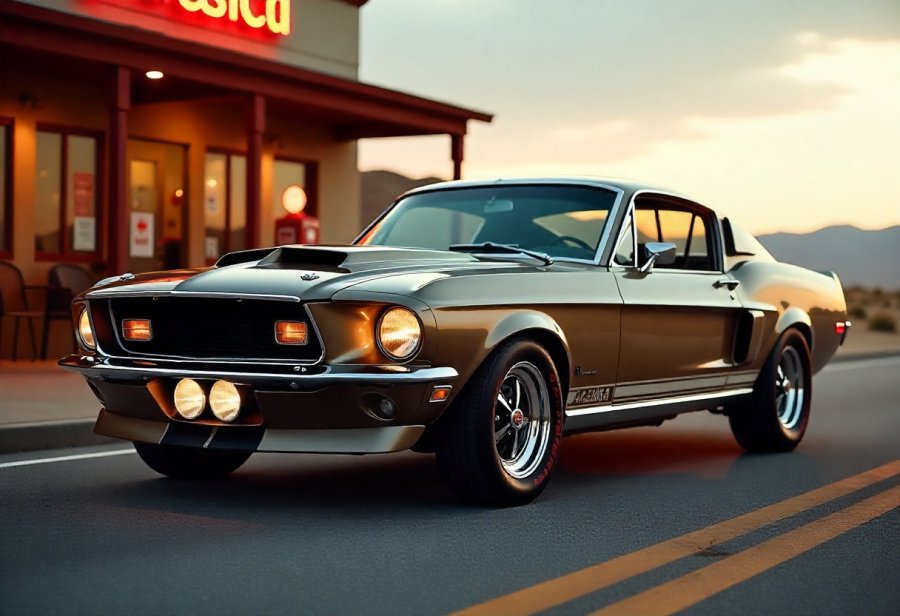
Every line and detail of the Mustang contributes to its legendary status. Its muscular contours, signature pony grille, and aggressive stance are visual representations of resilience and power. These design elements evoke emotion, embodying raw strength and relentless drive. Even at rest, the car’s silhouette suggests motion, a reminder of its performance roots and its role as a symbol of speed and daring.
Beyond its striking looks, the Mustang’s cultural influence shapes its legacy. It’s been prominently featured in films like “Bullitt” and “Gone in 60 Seconds,” where its speed and attitude highlight its identity as a vehicle for daring individuals. Musicians and pop icons have celebrated it, embedding the car into the collective consciousness as a symbol of rebellion and self-expression. This cultural presence fuels an emotional bond with fans and owners, transforming the Mustang from a mere car into a lifestyle statement.
The Mustang’s significance extends to its role during the muscle car era, where it epitomized accessible power and high performance. Its various performance models, like the Shelby GT500, set benchmarks for speed and style, reinforcing its image as a quintessential American muscle car. These models not only delivered raw power but also helped define what American muscle embodies: boldness, style, and a rebellious spirit.
What makes the Mustang truly timeless is its ability to evolve while remaining faithful to its roots. Each generation builds on its legendary status, blending innovation with tradition. Whether through design updates or technological advancements, the Mustang continues to inspire a sense of adventure and independence. Its enduring appeal lies in this perfect balance—staying true to its origins while embracing change, ensuring it remains relevant for future generations.
Modern Muscle: The Mustang’s Influence on Today’s Automotive Culture
The Ford Mustang’s influence remains powerful in today’s automotive landscape, seamlessly blending its rich heritage with modern design and cutting-edge technology. Its sleek, aggressive silhouette continues to turn heads on the street, inspiring other manufacturers to adopt performance-inspired aesthetics that honor the spirit of the original muscle car. From the signature pony grille to sculpted lines, every detail reflects a respect for tradition while embracing contemporary trends, ensuring the Mustang’s relevance for new generations of drivers.
Performance still lies at the heart of the modern Mustang. Today’s models feature turbocharged engines, hybrid options, and advanced suspension systems that deliver impressive speed and handling. These innovations keep the driving experience exhilarating while meeting today’s standards for efficiency and safety. Ford’s commitment to blending power with practicality has helped the Mustang evolve without losing its core identity as a symbol of raw American muscle.
Beyond its presence on the showroom floor, the Mustang continues to shape broader car culture. Enthusiast clubs, racing events, and social media communities celebrate its legacy, fostering a global sense of belonging among fans. Its appearances in movies, music videos, and online content reinforce its reputation as a symbol of freedom and rebellion—values that resonate strongly in today’s digital age. This ongoing cultural relevance keeps the Mustang embedded in the collective imagination, inspiring both new and longtime fans.
Design-wise, the Mustang has set a benchmark for performance cars, influencing a wave of sporty models characterized by bold lines and muscular profiles. Its evolution over the years has balanced innovation with tradition, allowing it to stay competitive while maintaining a timeless appeal. Ford’s continuous updates have ensured that the Mustang remains a symbol of American resilience and ingenuity, appealing to those who seek excitement, style, and a connection to history.
Technological advancements further enhance the Mustang’s appeal. Features like driver-assist systems, infotainment upgrades, and eco-friendly powertrains make it more accessible and versatile. These improvements demonstrate Ford’s dedication to staying ahead of industry trends while preserving the rebellious spirit that defines the model. The integration of modern technology enables the Mustang to connect with a broader audience—thrill-seekers, commuters, and collectors alike—who share a passion for performance and innovation.
Driving into the Future: The Mustang’s Legacy and Next Chapter
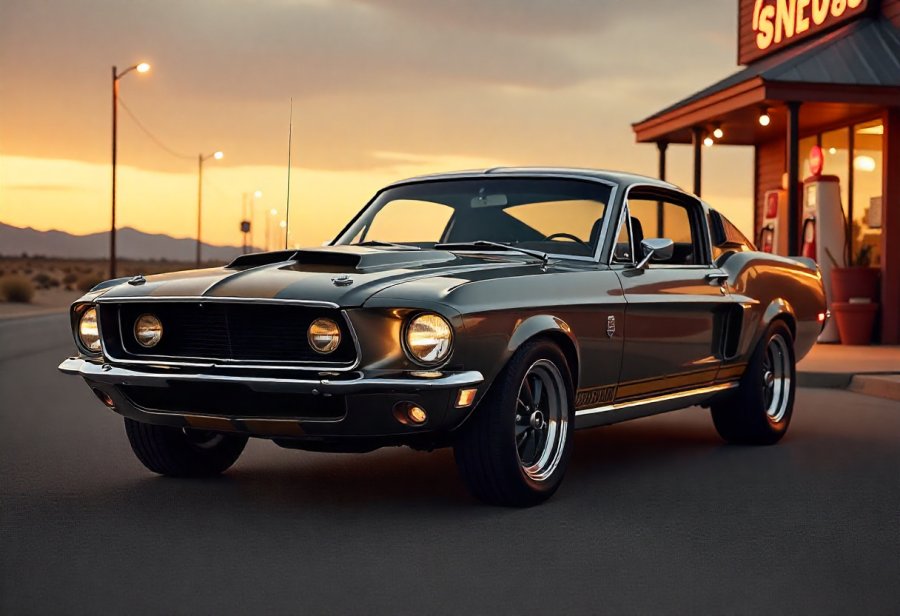
The Ford Mustang’s legacy as an American automotive icon is rooted in its ability to embody innovation, performance, and cultural influence. Since its debut in 1964, it revolutionized the muscle car segment by blending affordability with bold design and raw power. Its instantly recognizable silhouette, from the signature pony grille to the muscular lines, continues to symbolize strength and freedom, making it a true emblem of American ingenuity.
Looking ahead, the Mustang shows no signs of losing relevance. Ford is actively investing in electric powertrains and advanced technologies, ensuring the model remains at the forefront of performance and innovation. These developments highlight a commitment to sustainability while maintaining the adrenaline and rebellious spirit that define the car. As the brand evolves, it stays true to its roots, inviting new generations to experience the thrill of driving.
Despite these technological advances, the core values of independence and adventure remain woven into the Mustang’s identity. Its presence in movies, music, and pop culture continues to inspire and resonate across ages, reinforcing its status as a symbol of freedom. Enthusiasts worldwide celebrate its legacy through clubs, events, and online communities that keep its spirit alive and thriving.
The Mustang’s ability to adapt without losing its essence demonstrates how a classic can stay modern. Each new iteration builds on its legendary status, blending cutting-edge technology with timeless design. This balance ensures the Mustang remains relevant, appealing to both nostalgic fans and newcomers seeking excitement and style. Its resilience lies in this harmony of tradition and progress.
Looking to the future, the Mustang promises to remain a source of inspiration and passion. Its enduring appeal is driven by a perfect mix of bold aesthetics, high performance, and cultural significance. Whether through electrification or innovative features, the Mustang will continue to embody the spirit of American resilience and freedom. It invites drivers to chase their dreams, embrace independence, and leave a mark on automotive history for generations to come.