Beneath neon lights and roaring engines, underground street racing emerges as a vivid culture rooted in loyalty, craftsmanship, and unbreakable brotherhood. It’s more than just a pursuit of speed; it’s a daring ritual where diverse racers forge deep bonds through shared risks, late-night drives, and mutual respect. These clandestine races in shadowy urban zones symbolize rebellion and artistry, driven by both tradition and innovation. While society often condemns the danger and legality concerns, films like ‘Fast and Furious’ reveal the profound community and craftsmanship at its core. The scene’s resilience lies in its loyalty—passion passed down through generations, despite law enforcement crackdowns. Is this culture merely reckless rebellion or a powerful testament to connection and resilience? As it evolves, responsible participation and respect for tradition can preserve its essence—turning fleeting races into lasting bonds and ensuring the brotherhood endures, fueled by speed and shared purpose.
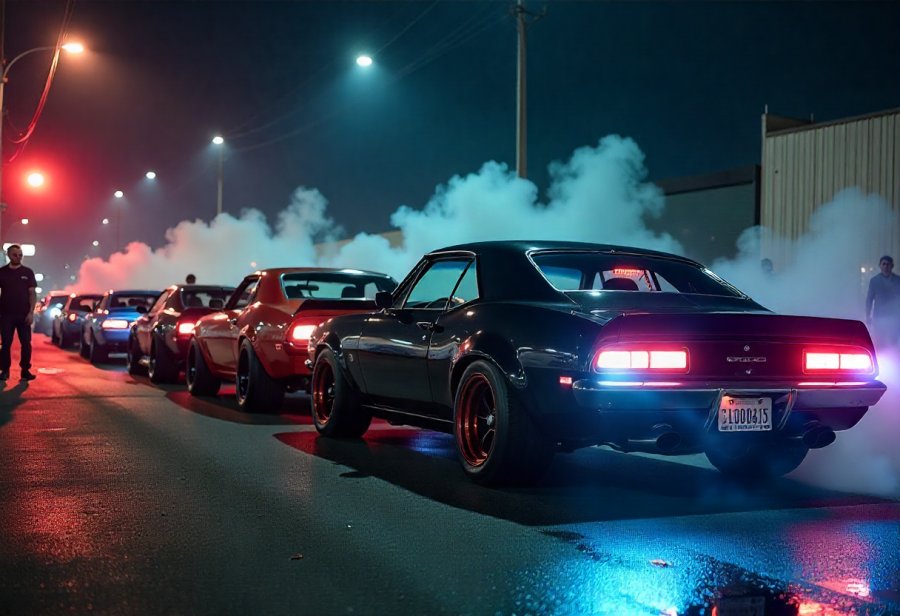
Underground Racing: A Cultural Pulse Beneath the Neon Glow
Beneath the neon glow and the distant hum of engines, underground street racing pulses as a vibrant, rebellious thread in urban culture. It’s more than just a race; it’s an adrenaline-fueled scene where craftsmanship, danger, and community collide. These late-night gatherings in quiet backstreets, abandoned lots, or industrial zones draw a diverse mix of drivers, spectators, and enthusiasts—all united by a shared love for speed and the thrill of pushing boundaries. In these moments, the street transforms into a proving ground where loyalty and trust are just as vital as horsepower.
Unlike official racetracks, street racing operates in secrecy, often in locations chosen for their discretion and the risk they carry. The danger adds an element of allure, making each race a daring act of rebellion. Racers spend hours modifying their cars—installing turbochargers, lowering suspensions, customizing paint jobs—to stand out and perform at their peak. For many, these vehicles are more than machines; they’re expressions of identity, craftsmanship, and pride, turning every race into a showcase of skill and personality.
What sets this culture apart is the strong sense of community it fosters. For many, underground racing provides an escape from the isolating pace of city life, offering a space where loyalty is earned through shared risks and mutual respect. Crew members support each other through advice, late-night drives, and protection during tense moments. These bonds often resemble family ties, built over countless hours of working on cars, training, and standing shoulder to shoulder when stakes are high. It’s this brotherhood that sustains the scene amid legal threats and societal judgments.
Understanding underground street racing means recognizing its roots in rituals, codes, and traditions passed down within crews. Respect for the vehicle, the crew, and the unwritten rules creates a foundation of trust that keeps the community alive. Even as law enforcement cracks down, these bonds remain resilient, with loyalty and craftsmanship continuing to define its evolution. Today’s scene is a blend of rebellion and artistry—driven by technological advances and popular culture, yet rooted in a shared passion for connection and resilience.
This culture has grown from informal meetups into organized groups, but the core values remain unchanged: brotherhood, trust, and pride in craftsmanship. Films like the “Fast and Furious” franchise have glamorized the scene, spreading its appeal worldwide, yet also attracting increased scrutiny. Despite these pressures, the essence endures—driven by the unbreakable bonds formed in the thrill of the race and the loyalty that keeps the community strong. Underground street racing continues to be a vivid expression of identity, connection, and the relentless pursuit of speed.
Roots and Routines: The Evolution and Structure of Street Racing
Underground street racing has deep roots that stretch back decades, evolving from spontaneous gatherings into a complex subculture. It often began with enthusiasts meeting in quiet parking lots, backstreets, or abandoned industrial areas just for the thrill of racing and showing off their cars. Word spread through tight-knit networks, and what started as informal meets gradually became more organized as the scene grew.
As the community expanded, so did the sophistication of the cars involved. Early racers relied on stock vehicles, but over time, crews began customizing their rides with turbochargers, digital tuning, lightweight parts, and unique paint jobs. These modifications weren’t just about speed—they were about style and identity, turning each car into a statement piece that reflected the driver’s personality and craftsmanship.
Despite operating outside the law, these groups developed their own sense of structure. Respect and loyalty became the foundation of their organization. Experienced veterans often took on leadership roles, setting the unspoken rules and guiding newer members. Trusted lieutenants helped coordinate races, vet newcomers, and uphold the crew’s codes. Races would often happen in discreet locations like industrial zones or quiet neighborhoods, where crews used signals or code words to set up timed runs and drag races.
Traditions and routines fostered a strong sense of belonging. Even as authorities increased enforcement, the bonds formed through shared risks, late-night drives, and collective effort kept crews united. Loyalty wasn’t just a word; it was demonstrated through ongoing support, mentorship, and a shared commitment to the culture. These relationships often extended beyond cars—many racers considered their crew members family.
Media portrayals, especially through movies like the “Fast and Furious” franchise, have added glamor and visibility to street racing. They highlight the craftsmanship, brotherhood, and loyalty that define the scene, inspiring new generations while also drawing attention from law enforcement. This duality—romanticized rebellion mixed with ongoing illegal activities—keeps the scene dynamic and evolving.
Today, underground racing is a blend of tradition and innovation. Organized crews and informal meets coexist, united by a shared passion for speed and craftsmanship. Loyalty, trust, and brotherhood remain core values, passed down through generations and reinforced by shared experiences. Despite legal pressures, the culture persists because it’s rooted in a deep sense of community—one built on respect, resilience, and unbreakable bonds.
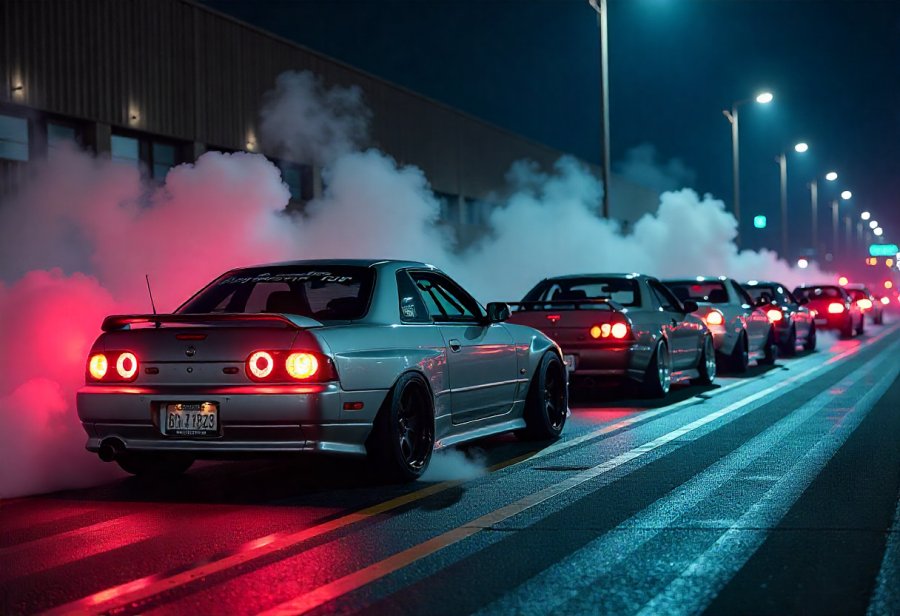
Perceptions in Flux: Society’s View of Street Racing and Brotherhoods
Today, perceptions of underground street racing are more layered than ever. On one hand, many see it as reckless and dangerous—an activity that threatens public safety and prompts law enforcement crackdowns. News reports frequently highlight crashes, arrests, and incidents that reinforce this negative image, framing street racing primarily as a hazard that needs to be stopped. The risks involved—reckless driving, injuries, property damage—are real concerns that fuel societal criticism and legal action.
However, behind the headlines and headlines, a different story emerges. Films like the “Fast and Furious” series, along with social media and documentaries, have helped humanize the scene. They reveal that many racers are passionate car enthusiasts who dedicate time and skill to their craft, not just thrill-seekers chasing adrenaline. Viewers begin to see the deep loyalty, craftsmanship, and camaraderie that underpin the culture, fostering a more nuanced understanding that goes beyond the reckless stereotype.
The bonds formed within underground racing crews often resemble family ties. Racers support each other through shared risks, late-night tuning sessions, and collective efforts to improve skills. These relationships are built on years of trust, loyalty, and mutual respect. For many, their crew becomes a second family—providing a sense of belonging and purpose that can be hard to find elsewhere. This brotherhood sustains the scene amid legal threats and societal judgments, emphasizing that the culture is about more than just speed; it’s about connection.
Despite this, the illegal aspect remains a major point of contention. Critics argue that the dangers—reckless driving, injuries, property damage—outweigh the cultural benefits. Law enforcement continues to crack down on illegal races, citing safety concerns as their primary motivation. The tension between admiration for the craftsmanship and loyalty of the scene and the reality of its risks keeps this debate alive, highlighting the need for a balanced perspective.
Regional differences add further complexity. In Japan, drifting emphasizes style and skill, often celebrated within local car communities. In Europe, tuning culture blends with street racing as a form of personal expression. In the U.S., spontaneous street races symbolize rebellion and independence. Across these variations, the core themes of kinship, loyalty, and craftsmanship remain central. Media portrayals continue to romanticize the brotherhood and artistry, shaping perceptions and inspiring new enthusiasts, even as the scene navigates ongoing challenges.
Getting Involved Responsibly: Practical Guide to Respectful Participation
Getting involved in street racing culture responsibly starts with education. Seek out online forums, social media groups, and local car clubs that emphasize legal modifications and organized events. These communities often share valuable tips and safe practices, helping you connect without risking legal trouble. Attending sanctioned car meets or shows is another great way to learn—these events highlight craftsmanship and camaraderie in a controlled environment, giving you firsthand insight into the scene’s true spirit.
Respect is key when engaging with any racing community. Never jump into illegal races without proper safety measures or the guidance of experienced crew members. Doing so can put yourself and others at serious risk. Instead, focus on building genuine relationships with seasoned racers who can mentor you. Demonstrating humility and a willingness to learn not only earns respect but also opens doors to more meaningful participation and deeper understanding of the culture.
Supporting legal racing events, such as drag races or track days, offers a safe alternative to illegal street racing. These venues provide a controlled environment where you can experience the thrill of competition while practicing proper techniques. Participating in these events allows you to develop your skills responsibly, aligning your passion with safety and legality—values that help preserve the integrity of the scene.
Trust within the scene takes time to build. Show genuine interest, ask questions, and support your fellow racers. Respect the traditions and unspoken rules upheld by veterans—they’re the backbone of the community. Loyalty isn’t just about winning races; it’s about backing each other through setbacks, sharing knowledge, and celebrating successes together. When your intentions are sincere, these bonds will naturally deepen, anchoring you more firmly within the brotherhood.
Prioritize safety and legality in all your actions. Avoid shortcuts or risky modifications that compromise vehicle integrity or driver safety. Instead, focus on learning proper techniques and maintaining your car well. This approach not only protects you but also demonstrates your commitment to the scene’s core values—craftsmanship, respect, and loyalty. Responsible participation ensures the culture remains sustainable and respected by outsiders.
By engaging thoughtfully and ethically, you contribute positively to a community built on shared passion and trust. Your actions can influence others and help shift perceptions of street racing from recklessness to brotherhood. Embracing responsibility doesn’t diminish the thrill—it elevates it, solidifying your place in a culture that values loyalty, skill, and mutual support. Ultimately, respecting the roots and rules of the scene ensures that the spirit of underground racing endures for generations to come.
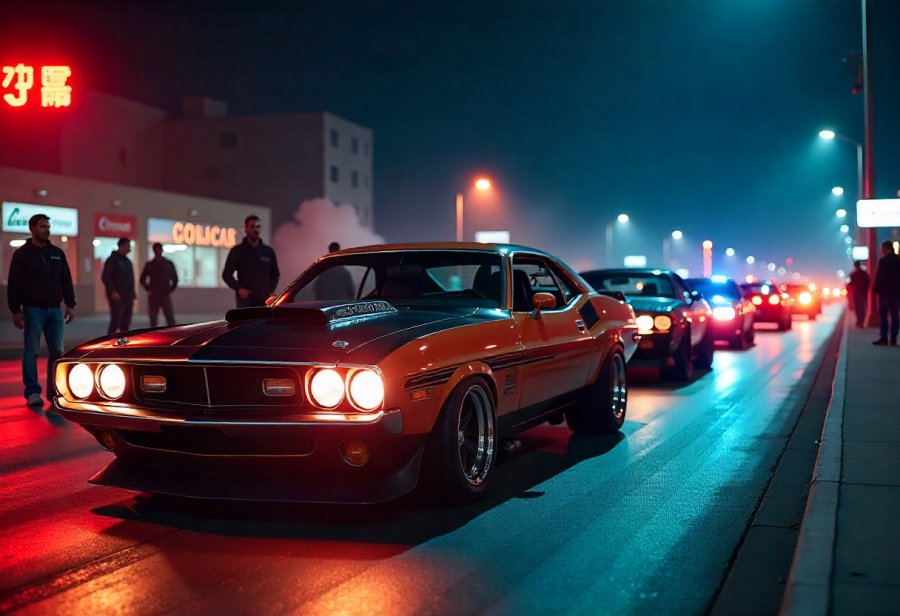
Legacy of Loyalty: Embracing the Spirit and Moving Forward
Underground street racing is more than just a rush of speed; it’s a culture built on loyalty, trust, and shared passion. The bonds that form between racers and their crews often go beyond the thrill of the race, creating a sense of family rooted in late-night drives, mutual support, and collective risk-taking. These relationships, forged in the heat of competition and camaraderie, provide a foundation that sustains the scene through legal pressures and societal judgment alike.
The loyalty within these brotherhoods isn’t superficial—it’s the backbone of the entire community. Whether it’s a seasoned veteran guiding a newcomer or crews standing united against external challenges, trust and respect are the currency that keep these bonds strong. This shared commitment goes beyond cars and races; it’s about upholding traditions, supporting each other’s growth, and passing down values that have persisted across generations. Such resilience ensures that the spirit of underground racing endures, even as external forces try to diminish it.
Media portrayals, especially popular films like the “Fast and Furious” series, have played a pivotal role in shaping perceptions of this culture. They highlight the artistry, brotherhood, and loyalty that define the scene, often romanticizing the camaraderie behind the engines. Recognizing these stories helps us appreciate that beneath the reckless speed lies a community driven by kinship and shared values—something worth respecting and understanding, not just judging.
Looking ahead, the challenge is to balance the passion and authenticity of street racing with safety and legality. Supporting sanctioned events, responsible modifications, and educational efforts allows enthusiasts to celebrate their craft without risking lives or facing legal consequences. By fostering a culture rooted in loyalty, craftsmanship, and mutual respect, the scene can adapt and thrive, preserving its core values while evolving responsibly.
At its core, underground street racing is about more than racing—it’s about connection. The unbreakable bonds formed through shared risks and collective effort create a resilient community that fuels its continued existence. Honoring these relationships and respecting the roots of the culture ensures that the spirit of brotherhood endures, inspiring new generations to carry forward the legacy of speed, loyalty, and kinship.