Learning to drive is more than just mastering the mechanics of a vehicle; it’s a pivotal step in a teen’s journey toward independence and self-confidence. But beneath the thrill of newfound freedom lies a landscape fraught with nerves, self-doubt, and emotional hurdles. How can parents and instructors transform anxiety into resilience, guiding teens through gradual exposure, relaxation techniques, and positive reinforcement? As teens face the practical challenges of navigating busy streets and complex situations, their internal growth—trust in their skills and emotional mastery—becomes essential. Will technological innovations like virtual reality and vehicle safety features redefine their learning experience, making roads safer and more manageable? The road to confident, responsible driving is as much about mindset as skills, posing the question: can a supportive environment truly turn nervous beginners into resilient drivers prepared for life’s many journeys?
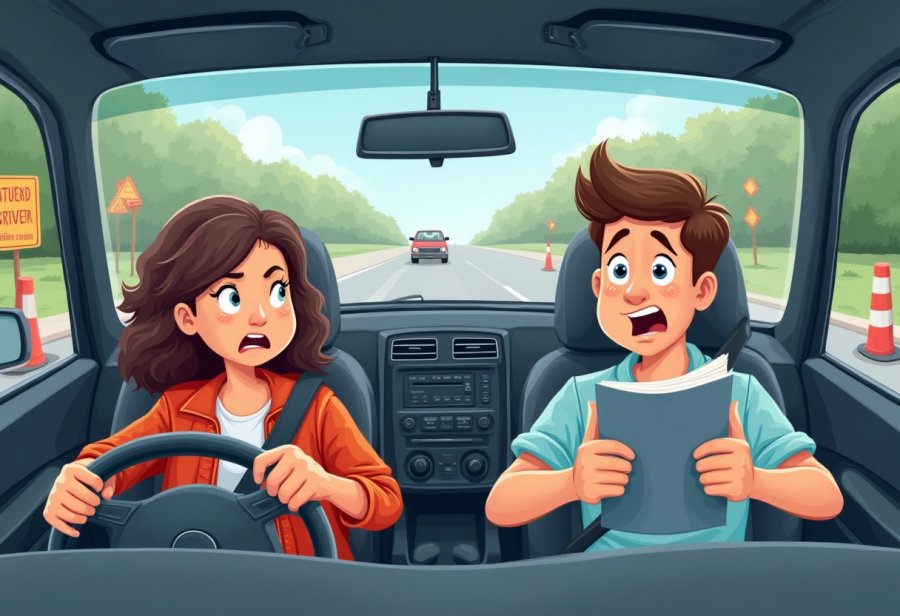
Building Confidence On and Off the Road: A Teen Driver’s Emotional Journey
Learning to drive is about more than just understanding how to operate a vehicle; it’s a pivotal step in a teen’s emotional development. For many young drivers, confidence doesn’t come naturally. Instead, it’s something they gradually build through repeated practice, encouragement, and patience from trusted adults. As teens sit behind the wheel, they begin to see driving as a symbol of independence—yet that freedom can also bring nerves and self-doubt. Recognizing these feelings early makes all the difference in supporting their growth.
The initial learning phase is often filled with a mix of excitement and anxiety. It’s normal for teens to worry about making mistakes—like hitting a curb or forgetting a turn signal. These fears are rooted in safety concerns, peer judgment, and the pressure to prove themselves. Such emotions can create mental barriers, making the learning process more stressful and less enjoyable. When parents and instructors acknowledge these feelings as part of the journey, they foster an environment where teens feel safe to take risks and learn from mistakes.
Support from trusted adults plays a crucial role in building confidence. Calm, patient guidance helps teens feel secure and motivated to improve. Celebrating small successes—like smooth turns or careful parking—reinforces their belief in their abilities. When mistakes happen, framing them as opportunities to learn rather than failures encourages resilience. This approach transforms nerves into motivation, helping teens develop a growth mindset that empowers them to keep trying.
Building confidence isn’t just about exposure to driving; it’s about cultivating trust in their own skills. Consistent practice in different environments—quiet neighborhoods, busy streets, highways—gives teens a broader sense of capability. Praising their progress along the way helps reinforce their self-trust, making each new challenge feel more manageable. Patience remains essential; understanding that confidence develops gradually helps teens stay motivated and resilient through setbacks.
Managing emotional responses is as important as perfecting technical skills. Techniques like deep breathing, visualization, and staying present can help teens stay calm during stressful moments. Approaching driving as a learning process—seeing obstacles as chances to improve—shifts their mindset from fear to confidence. Over time, these strategies help turn initial nerves into genuine self-assurance, making each drive feel less intimidating.
It’s natural for teens to feel overwhelmed in new or complex situations. But with patience, practice, and emotional support, they learn to manage these feelings effectively. Teaching them to stay present, breathe deeply, and remind themselves of their progress helps them regain control. As emotional resilience grows, confidence behind the wheel becomes second nature, transforming nervous energy into a steady belief in their abilities.
Ultimately, learning to drive is about more than mastering skills—it’s about nurturing a confident mindset that lasts a lifetime. The journey involves facing fears, making mistakes, and trusting their growth. With ongoing support, teens can turn initial jitters into a solid foundation of self-trust, setting the stage for safe, responsible driving—and for facing new challenges with resilience and independence.
Conquering Fears With Practical Strategies and Mindset Shifts
Overcoming driving anxiety often hinges on a combination of practical techniques and a shift in mindset. One of the most effective strategies is gradual exposure—starting with short, familiar drives in quiet neighborhoods before gradually tackling busier streets or highway situations. Breaking down the driving experience into small, manageable steps allows teens to build confidence without feeling overwhelmed. Progressing at their own pace makes larger challenges seem less intimidating, helping to ease panic and foster a sense of mastery.
Relaxation techniques play a surprisingly powerful role in calming nerves. Deep breathing exercises or mindfulness practices give teens a way to pause and center themselves during stressful moments. Focusing on their breath interrupts the cycle of anxiety, helping them stay present and composed. Pairing these techniques with visualization—imagining themselves confidently navigating tricky situations—reinforces positive mental scripts that translate into real confidence behind the wheel.
Another key is emphasizing what teens can control. Instead of dwelling on potential mistakes or worst-case scenarios, they should concentrate on their reactions, preparation, and skills. Reminding them that errors are a natural part of learning, not signs of failure, helps foster resilience. When setbacks are viewed as opportunities to improve rather than disasters, teens remain calmer and more willing to keep trying, rather than giving in to fear.
Addressing specific fears directly can also make a big difference. Practicing maneuvers like merging onto busy highways or navigating intersections repeatedly in safe environments helps demystify these situations. As teens gain experience and see that they can handle them, their anxiety diminishes. Repetition and positive reinforcement turn nervous anticipation into a sense of achievement, gradually replacing fear with confidence.
It’s normal to encounter moments of panic, especially in unfamiliar or high-pressure circumstances. Teaching teens simple techniques—such as pulling over if needed, taking deep breaths, or repeating affirmations—equips them to regain control. Over time, these strategies become second nature, making it easier to stay calm and focused during challenging drives. Building this emotional resilience is essential for transforming nerves into steady confidence.
Confidence doesn’t develop overnight; it’s a steady process rooted in patience and practice. Encouraging teens to focus on small wins, use relaxation methods, and view mistakes as growth opportunities fosters resilience. Each successful drive, no matter how minor, reinforces their belief in their abilities. This mindset shift helps teens see themselves as capable drivers, ready to face the road’s challenges with calm and assurance.
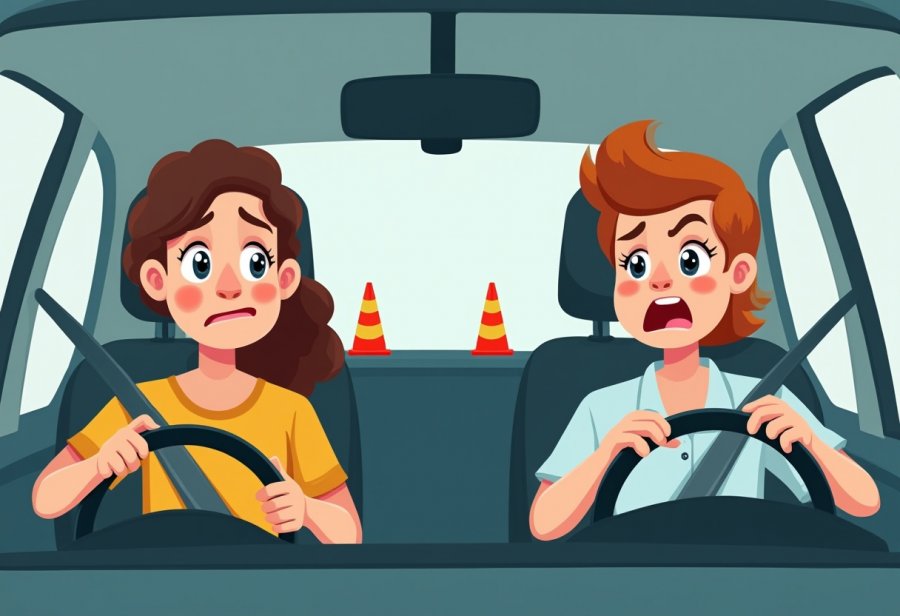
Driving Toward Independence: Embracing Growth, Responsibility, and Maturity
Driving marks a significant milestone in a teen’s journey toward independence, symbolizing their growing ability to navigate the world on their own terms. When teens take the wheel, they start to see themselves as capable and responsible, opening doors to new experiences—visiting friends, exploring places, or even commuting to part-time jobs. This sense of freedom boosts their confidence, reinforcing their trust in their ability to handle responsibilities beyond the driver’s seat. The car becomes more than a vehicle; it transforms into a symbol of maturity and self-reliance.
However, with independence comes new challenges. Teens often wrestle with peer pressure, the desire to assert their autonomy, and the need to balance safety with newfound freedom. Managing these competing priorities can feel overwhelming, especially in unfamiliar environments or heavy traffic. They may struggle to know when to push boundaries and when to prioritize caution, which can lead to hesitation or risky decisions. Recognizing these hurdles helps parents and instructors provide the right guidance to support responsible decision-making.
Modern approaches to teen driver education emphasize gradual responsibility. Programs that combine classroom learning with supervised driving in progressively complex situations help teens develop maturity step by step. Systems like graduated licensing limit access to high-risk scenarios—like night driving or carrying peer passengers—until teens demonstrate reliability and good judgment. These measures create a safer pathway to independence, allowing teens to build confidence and skills at a manageable pace.
Culturally, driving is often portrayed as a rite of passage—an emblem of freedom and adulthood. Social media, movies, and peer stories reinforce this idea, fueling the desire for independence. Yet, this societal narrative can also pressure teens to rush their learning or overlook safety. Finding a balance between enthusiasm and responsibility is vital. Supporting teens in understanding that independence is earned, not rushed, helps instill patience and maturity, preparing them for the road ahead.
As teens gain experience and confidence, they begin to see themselves as responsible young adults. Each successful trip, whether a solo drive or navigating a difficult parking spot, reinforces their sense of capability. This confidence spills over into other areas of life—decision-making, problem-solving, and managing new responsibilities. Learning to drive becomes a microcosm of growing up: gaining independence, managing risks, and trusting their own judgment. With proper support, teens can embrace this transition, ready to face the roads—and life—with resilience and confidence.
Applying Confidence Strategies for Safe, Successful Teen Driving
Building confidence behind the wheel is most effective when practice is intentional and structured. Starting in quiet neighborhoods allows teens to focus on fundamental skills like steering, braking, and parking without the pressure of heavy traffic. As they gain comfort, gradually introducing busier streets or highway situations helps them expand their abilities in manageable steps. This incremental approach prevents overwhelm and reinforces a sense of mastery, turning nervousness into assurance.
Setting clear, achievable goals for each practice session keeps motivation high. For example, a teen might aim to park smoothly or merge confidently onto a highway. These small, attainable targets help build a sense of progress and confidence. Celebrating each success, no matter how minor, reinforces their belief that they are capable drivers. This positive reinforcement encourages a growth mindset, making each new challenge seem less daunting.
Feedback from parents and instructors plays a vital role in confidence building. Instead of fixating on mistakes, highlighting what was done well—like smooth stops or attentive scanning—boosts the teen’s self-trust. When errors occur, framing them as opportunities to learn rather than failures fosters resilience. Supportive comments help teens see setbacks as part of the journey, encouraging persistence and a focus on continual improvement.
Driving in different conditions is essential for developing well-rounded confidence. Once teens are comfortable driving during daylight in good weather, introducing rainy conditions or driving at night in controlled environments prepares them for real-world diversity. Exposure to varied scenarios reduces anxiety about the unknown and enhances adaptability. As they experience success across different environments, their confidence naturally grows.
Empowering teens to take responsibility during practice sessions fosters independence. Allowing them to choose routes or decide when to practice instills a sense of control over their learning. When teens make decisions and see positive results, their trust in their judgment deepens. This ownership over their progress is crucial for developing self-efficacy and resilience, both on the road and in life.
Reflection after each drive helps reinforce learning and confidence. Asking questions like, “What went well today?” or “What could be better?” encourages self-awareness. Recognizing improvements, no matter how small, keeps motivation high and builds a positive attitude toward driving. This habit of review makes teens more aware of their growth, fueling their belief that they are capable and ready for new challenges.
Patience remains essential throughout this process. Confidence does not develop overnight but through consistent effort and reassurance. Reminding teens that every experienced driver started with nerves helps normalize their feelings. Supporting them to stay calm, practice regularly, and view mistakes as part of growth transforms anxiety into steady confidence.
Finally, creating a supportive environment where teens feel safe to practice and grow is key. Encouragement, constructive feedback, and celebrating progress build a solid foundation of trust and resilience. When teens see their skills improving and their confidence rising, they become not only safer drivers but also more confident, responsible young adults ready to face the road ahead.
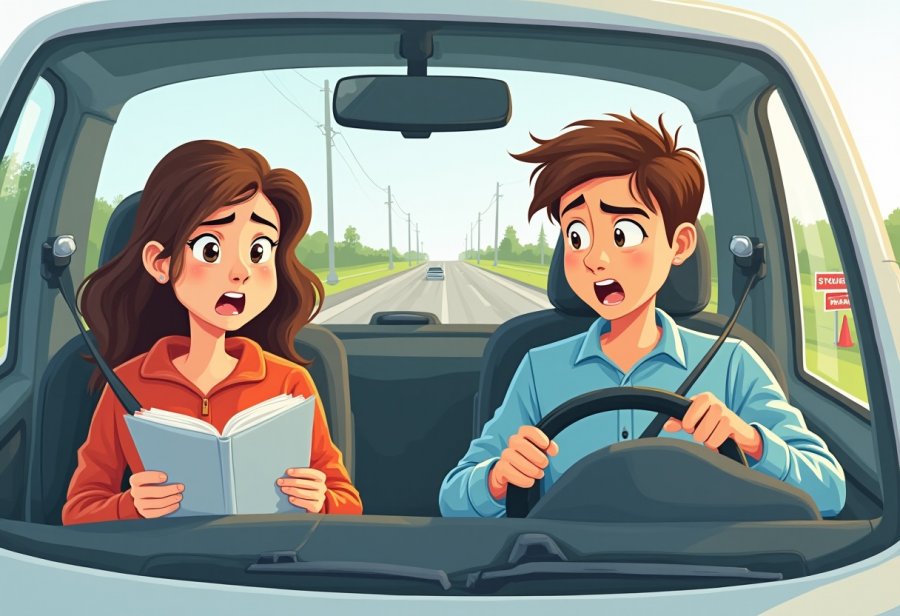
The Future of Teen Driving: Innovations, Safety, and Evolving Education
Looking ahead, the future of teen driving education is set to be reshaped by innovative technologies that make learning safer and more engaging than ever before. Virtual reality and advanced simulators are becoming integral tools, offering immersive scenarios that replicate real-world driving challenges without any risk. These technologies allow teens to practice complex maneuvers—like merging onto busy highways or navigating tricky intersections—in a controlled environment, helping to build confidence before they hit actual roads. As these tools improve, they will likely become standard components of driver education, making the learning journey more interactive and tailored to individual needs.
At the same time, safety policies are evolving based on ongoing research and data. Graduated licensing systems, which gradually lift restrictions as teens demonstrate responsibility, are gaining traction in many regions. These systems help reduce accidents by limiting high-risk driving situations during early years behind the wheel. Future policies may incorporate telematics and vehicle monitoring devices that provide real-time feedback on driving habits, encouraging safer behaviors and better decision-making. Such innovations aim to strike a balance between granting independence and ensuring safety, giving teens the space to grow while minimizing risks.
Vehicle technology itself is advancing at a rapid pace. Features like lane departure warnings, automatic emergency braking, and driver-assist systems are becoming more common and sophisticated. These tools act as safety nets, helping inexperienced drivers avoid common mistakes and respond swiftly in emergencies. As cars become smarter and more connected, they will serve as valuable partners in developing confident, responsible drivers. The integration of these technologies not only enhances safety but also eases the learning curve, making new drivers feel more secure and in control.
Educational approaches are also shifting toward digital and scenario-based learning. Interactive online modules, apps, and real-time feedback tools enable teens to learn at their own pace, focusing on specific skills and decisions. These resources reinforce safe habits and decision-making strategies, complementing traditional classroom and behind-the-wheel training. As they become more sophisticated, these tools will help foster a mindset of responsibility and resilience, preparing teens for diverse driving conditions and challenges they’ll face in the real world.
Beyond technology, the social and cultural landscape continues to influence teen driving. Campaigns leveraging social media, peer stories, and responsible role models help normalize safe driving behaviors. When teens see their peers advocating for safety and responsibility, it reinforces positive norms and encourages better choices. Combining these social influences with technological support creates a comprehensive environment that promotes confident, cautious, and responsible young drivers—ready to navigate the roads ahead with maturity and resilience.