Nylon, a seemingly indispensable material in our daily lives—from clothing to industrial textiles—hides a complex and troubling environmental story. Its production relies heavily on fossil fuels, involving energy-intensive processes that release greenhouse gases, chemicals, and pollutants into ecosystems. Once discarded, nylon resists natural degradation, fragmenting into microplastics that infiltrate waterways and enter the food chain, threatening marine life and human health. Despite advances in recycling and bio-based alternatives, the majority of nylon remains tethered to environmentally damaging practices, from resource extraction to waste management. As demand continues to grow, the ecological toll—habitat destruction, water contamination, air pollution, and microplastic proliferation—becomes increasingly urgent. The question remains: can society reconcile the convenience of nylon with sustainable innovation, or will its persistence forever stain our planet’s health? This compelling exploration urges a re-evaluation of our reliance on this synthetic fiber and its true cost.
Unveiling Nylon: Its Ubiquity and Hidden Environmental Costs
Nylon is one of the most recognizable synthetic materials in our daily lives. From the clothes we wear to the carpets beneath our feet and outdoor gear designed for durability, nylon’s presence is everywhere. Its popularity stems from its strength, flexibility, and affordability, which have made it a staple across countless industries and consumer products. We often take it for granted, rarely considering the journey or the environmental costs behind this versatile fiber.
Created in the 1930s, nylon marked a significant breakthrough in textiles and manufacturing. It was born through a process called polymerization, where petrochemicals derived from oil and natural gas are transformed into long, durable fibers. These fibers are what give nylon its resilience and versatility, fitting into everyday apparel, industrial textiles, and beyond. The low manufacturing costs and its ability to withstand wear and tear helped nylon become an integral part of modern life, often without much thought about its origins.
However, behind its convenience lies a complex and concerning environmental story. The production of nylon depends heavily on fossil fuels—chemicals like caprolactam and hexamethylenediamine, which are synthesized from non-renewable resources through energy-intensive processes. These processes require high temperatures, catalysts, and complex chemical reactions, making nylon manufacturing a significant energy consumer. Much of this energy comes from burning fossil fuels, which releases greenhouse gases and contributes to climate change.
Environmental concerns extend beyond just energy consumption. During production, factories often discharge chemical runoff—dyes, solvents, unreacted monomers, and other hazardous substances—into nearby water bodies and soils. Despite regulations, enforcement varies, and improper waste disposal continues to threaten ecosystems and communities. This pollution can cause long-term damage, contaminating water supplies, harming aquatic life, and posing health risks for local populations living near manufacturing sites.
The raw materials for nylon—derived from oil and natural gas—are extracted through drilling, which itself causes habitat destruction, land degradation, and pollution. These extraction activities release methane and other greenhouse gases, further fueling climate change. Many regions that supply these raw materials are politically unstable or environmentally fragile, adding uncertainty and risk to supply chains while amplifying the environmental footprint associated with resource extraction. This interconnected web of production and environmental impact underscores the hidden costs of our synthetic staples.
Nylon’s durability also means it resists natural breakdown, persisting in landfills for hundreds of years. Over time, discarded nylon fragments into microplastics—tiny fibers that easily escape filtration systems and enter waterways. These microfibers are ingested by marine animals and can bioaccumulate up the food chain, affecting ecosystems and potentially human health. As nylon waste accumulates globally, addressing this persistent pollution becomes more urgent, highlighting the need for sustainable alternatives and better waste management practices.
Chemical Crafting and Its Toll: The Complex Process of Nylon Production
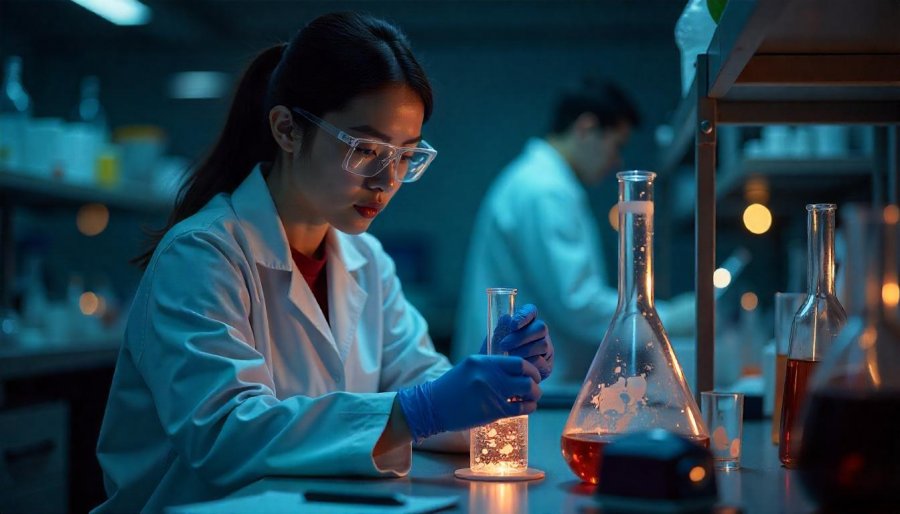
Nylon is produced through a chemical process called polymerization, which transforms raw petrochemicals into the durable fibers we see in countless products. The journey begins with creating key precursors like caprolactam or hexamethylenediamine, chemicals derived from oil and natural gas. These raw materials undergo complex synthesis processes that demand significant energy and precision, setting the stage for the formation of long, strong polymer chains.
Once these building blocks are synthesized, they are subjected to polymerization—where individual molecules chemically bond to form extensive chains of nylon. This process typically involves either melt polymerization or solution polymerization, each requiring precise temperature control and catalysts to facilitate the chain reaction. The resulting nylon polymers are then spun into fibers through extrusion and stretching, a process that enhances their strength, elasticity, and durability.
The manufacturing of nylon is highly energy-intensive. Factories rely heavily on electricity and heat generated predominantly from fossil fuels, making the entire process a notable contributor to greenhouse gas emissions. The combustion of oil and natural gas during energy production releases carbon dioxide, methane, and other pollutants into the atmosphere, exacerbating climate change. This dependency on non-renewable energy sources underscores nylon’s environmental footprint right from the start.
Chemical runoff during production adds another layer of concern. The handling of solvents, dyes, unreacted monomers, and various hazardous chemicals can pose significant risks if waste management isn’t properly enforced. When waste disposal is lax, these substances seep into nearby water bodies and soils, contaminating ecosystems and threatening public health. Although regulations exist, enforcement gaps mean pollution remains an ongoing challenge in many manufacturing regions.
Fossil fuel extraction for raw material sourcing amplifies nylon’s environmental impact. Drilling operations for oil and natural gas often lead to habitat destruction, land degradation, and water pollution. The release of methane during extraction is particularly troubling, given its potency as a greenhouse gas. Regions supplying these materials frequently face political instability or environmental fragility, complicating efforts to reduce environmental harm and increasing supply chain vulnerabilities.
In addition to greenhouse gases, nylon production emits volatile organic compounds and other hazardous pollutants. These substances can degrade local air quality and pose health risks to workers and nearby communities. Accidents or inadequate controls can lead to localized pollution events, further damaging ecosystems and public health. The complex chemical emissions highlight how industrial processes extend their impact well beyond factory fences.
Finally, the durability of nylon means it resists natural breakdown. Once discarded, nylon fibers can persist in landfills for centuries, gradually fragmenting into microplastics. These tiny fibers often escape filtration systems and enter waterways, where marine life mistake them for food. The bioaccumulation of microplastics threatens entire ecosystems and poses potential health risks for humans through seafood consumption. This resilience makes nylon waste a stubborn problem, emphasizing the need for sustainable production and disposal practices.
Facing the Future: The Environmental Challenges and Urgent Need for Change in the Nylon Industry
The environmental issues tied to nylon today are more pressing than ever. As demand for this synthetic fiber continues to grow across industries—from fashion and packaging to industrial applications—the scale of resource extraction and waste accumulation becomes increasingly unsustainable. Despite some advancements in recycling technologies and the emergence of bio-based alternatives, the majority of nylon production still relies heavily on fossil fuels, keeping environmental impacts at concerning levels. Many companies remain focused on cost-effectiveness and convenience, making widespread adoption of greener options slow and difficult.
One of the most visible and troubling problems is nylon’s persistence in the environment. Its durability means discarded nylon products can linger in landfills for hundreds of years, gradually fragmenting into microplastics—tiny fibers smaller than a millimeter—that are almost impossible to contain. These microfibers often escape waste management systems and seep into waterways, where they are ingested by marine life and birds. The result is a cascade of ecological harm: physical injury, reproductive issues, and disruption of food chains. As these tiny fibers bioaccumulate, they pose risks not only to wildlife but also to humans, who consume seafood contaminated with microplastics.
The shedding of nylon fibers during washing and wear compounds the microplastic problem. Most wastewater treatment plants are ill-equipped to trap these microfibers, which then flow into rivers, lakes, and oceans. Marine creatures mistake these fibers for food, ingesting them and suffering internal injuries or reproductive failures. Over time, the concentration of microplastics in marine environments increases, threatening biodiversity and the health of entire ecosystems. Because these particles can accumulate up the food chain, concerns about their impact on human health are mounting, especially as seafood becomes more central to diets worldwide.
Chemical runoff from nylon manufacturing adds another layer of complexity. Despite regulations, many factories continue to release hazardous substances—solvents, dyes, unreacted monomers—into nearby water bodies due to inadequate waste management. These chemicals contaminate ecosystems, harm aquatic organisms, and pose direct health risks to communities living close to production sites. The persistence of these pollutants means their impact extends long after factory operations cease, gradually degrading soil, water quality, and public health, and illustrating the ongoing cost of current manufacturing practices.
The reliance on fossil fuels for raw material extraction and processing intensifies the environmental footprint of nylon. Drilling for oil and natural gas destroys habitats, pollutes air and water, and releases methane—a greenhouse gas with a far greater warming potential than carbon dioxide—into the atmosphere. Many regions supplying these raw materials are environmentally fragile or politically unstable, complicating efforts to reduce their environmental toll. This dependence perpetuates a cycle of resource depletion and pollution, making the transition to sustainable feedstocks more difficult and slow.
Air quality suffers from emissions associated with nylon production as well. The release of volatile organic compounds and other hazardous pollutants during manufacturing degrades local air quality and can cause respiratory problems for workers and nearby residents. Incidents of accidental releases or lax controls can lead to localized pollution events that damage ecosystems and endanger public health. These emissions, coupled with nylon’s resistance to natural breakdown, create a toxic legacy that persists long after production ends.
Addressing the environmental challenges of nylon requires a comprehensive approach. Improving recycling infrastructure and developing biodegradable alternatives are vital steps, but they face significant technical and economic hurdles. Policy changes and greater consumer awareness are essential to drive demand for sustainable products and materials. Transitioning away from fossil-fuel dependence demands coordinated global efforts, investment, and a shift in how society values synthetic fibers. Without decisive action, nylon’s environmental toll will only deepen, threatening ecosystems and public health for generations to come.