As winter’s icy grip tightens, the debate over the true value of winter tires intensifies. Are these specialized tires merely a seasonal luxury, or do they offer an essential safety advantage that can mean the difference between control and catastrophe? Designed with unique rubber compounds, deeper treads, and innovative siping, winter tires excel in icy, snow-laden conditions—providing superior grip, shorter stopping distances, and increased confidence on treacherous roads. Yet, many drivers, especially in milder climates, underestimate their importance, relying on all-season options that harden and lose effectiveness in cold temperatures. This oversight can turn routine winter commutes into dangerous slips or skids. The science behind winter tires reveals a compelling case for their safety benefits, especially in rural or mountainous areas where road conditions are unpredictable. Is the investment worth it? For those seeking peace of mind and safety, the answer is clear: winter tires are more than just a seasonal upgrade—they’re a critical safeguard for winter driving.

Why Winter Tires Are Your Essential Safety Shield
Winter tires often don’t get the attention they deserve until snow starts falling, but their role in winter driving is far more critical than many realize. These tires are a safety essential, not just a seasonal decoration for your vehicle. They are engineered specifically to handle the unique challenges of cold, icy, and snowy conditions, providing drivers with the grip and confidence needed to navigate treacherous roads safely.
Unlike all-season or summer tires, winter tires are crafted from special rubber compounds that stay soft and pliable in freezing temperatures. This flexibility ensures better contact with icy surfaces, offering significantly improved traction. When roads are slick and unpredictable, that extra grip can be the difference between a safe trip and a costly accident. Many drivers underestimate the importance of this difference, especially in regions where winter conditions are considered mild.
There’s a common misconception that winter tires are only necessary in heavy snowfall areas. That’s not quite right. Even in places with less snow, icy patches and cold mornings create hazards that all-season tires struggle to handle. All-season tires tend to harden when temperatures drop below 7°C, which reduces their ability to grip icy surfaces. This loss of flexibility can lead to skidding, slipping, and longer stopping distances. Scientific tests consistently show winter tires outperform all-season options on icy roads, especially when it comes to stopping quickly and steering accurately.
Understanding what makes winter tires so effective starts with their design. They use specialized rubber compounds infused with silica and other polymers that resist hardening in cold weather. Their tread patterns are deeper, with wider channels to evacuate snow, slush, and water more effectively. Tiny slits called siping create additional biting edges that grip ice and packed snow, providing better control and shorter braking distances. These design features work together to give drivers a safer, more predictable driving experience during winter months.
The benefits aren’t just theoretical. Drivers who switch to winter tires often report feeling more confident behind the wheel in icy conditions. They notice shorter stopping distances, improved steering response, and fewer slips or skids. This sense of control isn’t just comfort; it’s a critical safety advantage, especially in emergency situations. As winter approaches, understanding these practical benefits can help motivate more drivers to make the switch and prioritize safety on the road.
While some see winter tires as an unnecessary expense, especially in milder climates, the reality is they offer a significant safety upgrade. Modern winter tires are more durable and effective than ever, performing well across a range of winter conditions. Even drivers in less extreme climates can benefit from their advanced materials and tread designs during unexpected cold snaps or early mornings when icy patches are most dangerous. Investing in winter tires isn’t just about comfort — it’s about protecting yourself and everyone around you.
Choosing to equip your vehicle with winter tires is a smart move for safer winter driving. Their design and materials are tailored to provide optimal grip and control when it matters most. As roads turn icy and unpredictable, these tires help you stay in control, reduce braking distances, and lower the risk of accidents. Far from a seasonal luxury, winter tires are a practical safety measure that can make all the difference when the weather turns harsh.
The Science That Makes Winter Tires Grip in Cold
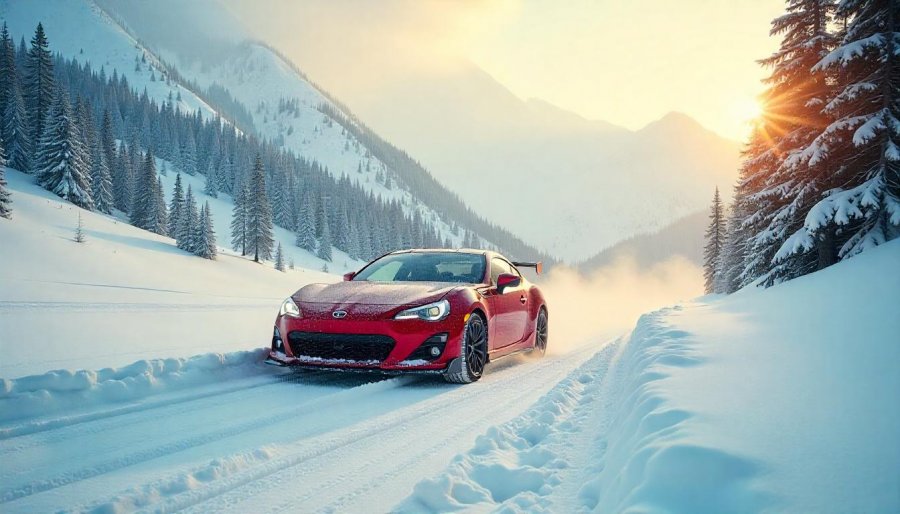
Winter tires are engineered with specialized materials and tread designs that are tailored to handle the unique demands of cold weather driving. At the core of their performance are rubber compounds infused with silica and advanced polymers. Unlike standard tires, which tend to harden and lose flexibility in low temperatures, these compounds stay soft and pliable even when the mercury drops well below freezing. This flexibility allows the tire to conform more effectively to icy and snowy surfaces, maintaining maximum contact and grip where it’s needed most.
The tread pattern of winter tires is another critical element. They feature deeper grooves and wider channels compared to all-season tires, designed specifically to evacuate snow, slush, and water efficiently. This helps prevent hydroplaning and ensures the tire maintains a firm grip on slippery surfaces. The increased depth and width of these channels also assist in clearing away debris, keeping the contact patch clean and enhancing traction during tough winter conditions.
Tiny slits called siping are a hallmark of winter tire design. These narrow cuts run across the tread and create a multitude of biting edges. When driving over ice or packed snow, these edges act like miniature blades digging into the surface, greatly improving traction. The more siping a tire has, the more grip points it offers, which translates into shorter braking distances and more responsive steering. This detailed design feature is essential for maintaining control and safety during icy driving.
The materials used in winter tires are carefully selected for their low-temperature resilience. Silica-enhanced rubber compounds resist hardening, ensuring the tire remains flexible and effective across a broad range of winter conditions. Many manufacturers incorporate additional polymers that bolster durability, so the tires don’t deteriorate prematurely despite exposure to road salt, snow, and cold temperatures. This focus on durability means winter tires can perform reliably over multiple seasons, making them a cost-effective safety upgrade.
Beyond just grip, tread design influences vehicle handling and braking performance. Deeper treads with more biting edges provide better acceleration and cornering stability on snow- and ice-covered roads. The siping pattern increases the number of contact points with the road surface, which is crucial for quick stops and precise maneuvering. Studies consistently show that winter tires with these features significantly reduce braking distances compared to all-season counterparts, often by enough to prevent accidents in emergency situations.
The synergy of materials and tread design in winter tires results in a tire that’s specifically built to perform in demanding winter conditions. Their rubber compounds stay flexible, their deep and wide grooves clear away snow and slush, and their siping creates an abundance of grip points. This combination ensures the tire maintains traction and control, even when roads are at their most treacherous. The science behind these features isn’t just about initial performance—it’s about maintaining that grip over the entire lifespan of the tire.
Durability is also a key aspect. As winter tires wear, their tread depth and siping continue to provide biting edges, ensuring consistent grip over time. The resilient rubber compounds resist hardening and cracking, even after repeated exposure to cold and salt. This means that a well-maintained winter tire can retain its performance and safety benefits season after season, making it a reliable investment for drivers who face winter conditions regularly.
All these elements—materials, tread pattern, siping—work together to create a tire that excels in cold, icy environments. They enable better vehicle control, shorter braking distances, and increased safety on winter roads. Recognizing how these design choices optimize winter tire performance helps dispel misconceptions and highlights why investing in quality winter tires is a smart move for anyone seeking safer, more confident driving when the temperature drops.
Real-World Insights: How Drivers Use and Benefit from Winter Tires
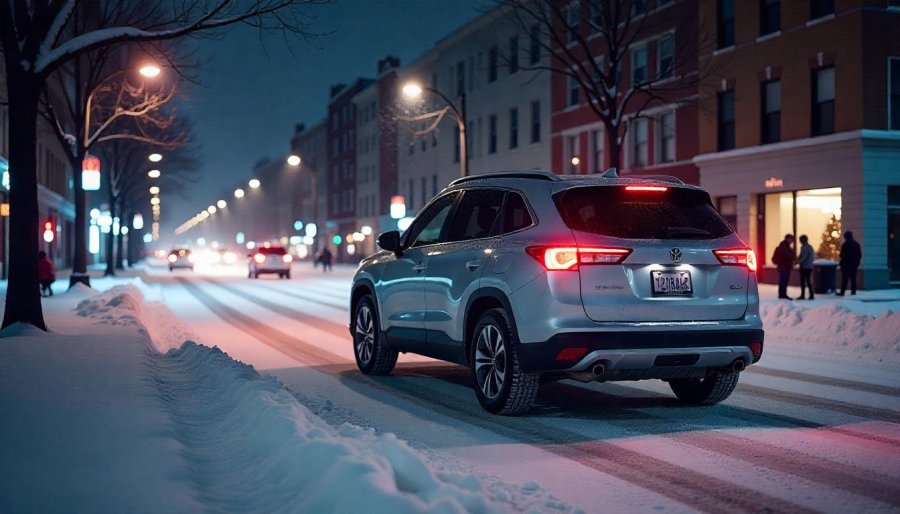
Today, the approach to winter tires varies widely depending on where drivers live and how often they hit the road during the colder months. In regions with heavy snowfall and persistent icy conditions, many see winter tires as an essential safety upgrade. These drivers often report feeling much more confident behind the wheel, especially on steep, snow-covered hills or rural roads that aren’t plowed as regularly. For them, investing in dedicated winter tires isn’t just a choice—it’s a necessity for mobility and safety. Their real-world experiences underscore how significantly the extra grip and control can reduce the risk of accidents and make winter driving less stressful.
In contrast, drivers in urban areas with milder winters tend to lean more on all-season tires, believing they’re sufficient for most conditions. Many hesitate to switch to winter tires due to the hassle and cost of swapping tires twice a year or simply because they underestimate winter risks. They might think that occasional icy patches or cold mornings aren’t dangerous enough to justify the expense. However, even in these milder climates, roads can quickly turn hazardous with unexpected ice or snow, and all-season tires often struggle once temperatures dip below 7°C. Their rubber compounds harden, reducing grip precisely when control is most needed, which can lead to slips, skids, or longer stopping distances.
Surveys show a clear split in perceptions. Drivers who use winter tires generally feel safer and more in control during winter months. They notice shorter braking distances and more precise steering on icy surfaces, which translates into peace of mind. Conversely, many drivers sticking with all-season tires dismiss the need for specialized traction, often because they haven’t experienced a serious slip or assume their regular tires are enough. This mindset is shaped by regional climate and the infrequency of severe winter weather, but it can dangerously underestimate the risks posed by icy patches and packed snow.
Advancements in winter tire technology over recent years have made them more effective and durable than ever. Modern rubber compounds stay pliable in extreme cold, and tread designs with deeper grooves and more siping improve snow and ice grip. These improvements mean that even drivers in less extreme winter climates can benefit from winter tires, especially during sudden cold snaps or early morning icy conditions. As awareness of these technological upgrades grows, more drivers are recognizing that winter tires aren’t a luxury reserved for severe climates—they’re a smart safety measure that enhances control and reduces accident risk.
In rural and mountainous regions, the need for winter tires becomes even more apparent. Roads here are often less maintained, less salted, and more exposed to the elements. Drivers in these areas understand that winter tires aren’t just about comfort—they’re about safety and mobility on treacherous terrain. The deep tread and superior grip provided by winter tires are crucial for navigating steep inclines, winding mountain roads, and snow-covered paths where slipping could have serious consequences. For many in these communities, equipping their vehicles with winter tires isn’t a matter of choice but survival, ensuring they can reach essential destinations safely and reliably.
Despite the clear benefits, misconceptions still linger. Some believe that the cost of winter tires outweighs their safety advantages, or that all-season tires are enough for most winter conditions. Others assume winter tires are only necessary in regions with heavy snowfall, not realizing that icy patches and cold temperatures are hazards everywhere. This skepticism can slow adoption, especially among drivers who have never experienced a severe winter or underestimate how quickly conditions can change. Yet, as more people see the performance benefits and safety improvements, the trend toward adopting winter tires continues to grow, driven by the desire for safer, more confident driving when the weather turns cold.