Imagine urban landscapes that actively combat flooding by letting rainwater seep naturally into the ground—permeable pavers make this a reality. These eco-friendly surfaces not only reduce runoff and street flooding but also help filter pollutants and recharge groundwater. As climate change intensifies storms, cities are turning to this innovative solution to create greener, more resilient communities. But can these porous pavements withstand heavy traffic and prolonged wear without clogging or deterioration? The evolution from simple gravel paths to durable, recycled-material systems shows promising advances, yet maintenance remains crucial. Integrating permeable pavers with other green infrastructure forms a layered defense against flooding, improving water quality and urban aesthetics simultaneously. Will widespread adoption be enough to curb urban flooding and support sustainable development? This sustainable approach promises a future where cities are better prepared, more adaptable, and environmentally responsible—transforming how we build resilient urban environments.
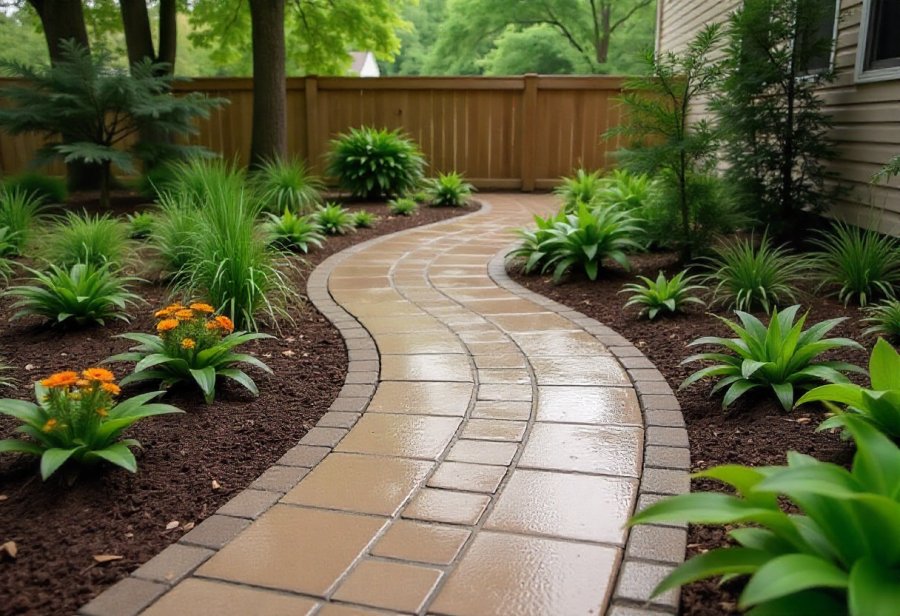
Harnessing Permeable Pavers to Combat Urban Flooding
Permeable pavers are changing the way cities handle stormwater, offering a practical solution to urban flooding. Unlike traditional surfaces such as concrete or asphalt that repel water and channel it away quickly, permeable pavers are designed to let rainwater pass through their porous layers and seep into the ground below. This natural infiltration helps manage stormwater directly at its source, reducing the volume of water that overwhelms drainage systems during heavy rains.
By allowing rainwater to soak into the soil, permeable pavers help prevent street flooding and water pooling on sidewalks and parking lots. This process not only minimizes immediate flood risks but also supports long-term water management goals. As water filters through these surfaces, pollutants like oils, sediments, and chemicals are naturally removed, leading to cleaner runoff that benefits local waterways and ecosystems.
This approach aligns with the broader push toward sustainable urban development. As cities grow and climate patterns shift toward more intense storms, permeable paving provides a flexible, eco-friendly way to bolster flood resilience. It eases the burden on existing stormwater infrastructure, which often struggles during peak rainfall events, and promotes groundwater recharge—an essential component of maintaining healthy water cycles in urban areas.
Modern permeable pavers have evolved significantly, combining durability with permeability. Made from recycled materials and engineered composites, they are capable of supporting traffic loads while still allowing water to flow through. Proper installation and maintenance are key to ensuring their effectiveness, but when managed well, these surfaces can last for decades, offering a reliable, long-term solution for flood risk reduction.
Incorporating permeable pavers into urban landscapes is a straightforward yet impactful step toward creating safer, more resilient communities. They not only address immediate flood concerns but also contribute to greener, more inviting environments. As cities continue to adapt to climate challenges, permeable paving stands out as a smart, sustainable choice that benefits both people and the planet.
The Evolution and Fundamentals of Permeable Paving Technologies
Permeable paving isn’t a new concept, but its roots stretch back several decades. Early versions were simple—using gravel, porous stones, or basic materials in rural or low-traffic areas to naturally manage runoff. These straightforward solutions aimed to mimic the way water flows through natural landscapes, reducing erosion and flooding caused by excess surface water. Over time, engineers recognized the potential to refine these ideas for urban settings, where durability and load-bearing capacity are just as critical as permeability.
Modern permeable pavers look quite different from those initial solutions. Today’s designs often feature interlocking patterns made from recycled concrete, eco-friendly bricks, or engineered composites. These materials are engineered not only to allow water passage but also to support vehicle weight and foot traffic. Advances in drainage technology and material science have significantly improved their reliability, enabling them to handle heavy storms and large volumes of water without clogging or deterioration. This evolution has transformed permeable paving from a niche option into a mainstream element of sustainable urban infrastructure.
What makes these pavers effective is their ability to combine strength with permeability. They typically incorporate open-grid structures or porous surfaces that direct water into the underlying soil. Properly designed, they create a network that facilitates rapid infiltration, significantly reducing surface runoff. This design ensures that streets, parking lots, and walkways can support traffic while still letting water seep through, preventing pooling and flooding during storms.
Permeable paving also aligns with broader ecological goals. When rainwater filters through these surfaces, pollutants like oils, sediments, and chemicals are naturally removed, resulting in cleaner water entering waterways. Additionally, allowing water to infiltrate the ground helps recharge underground aquifers, supporting the water cycle in urban areas. This dual benefit—stormwater management and natural filtration—makes permeable pavers a smart choice for environmentally conscious city planning.
The shift toward permeable paving reflects a wider move to green infrastructure. Traditional stormwater systems rely heavily on underground pipes and retention basins, which often fall short during intense storms. Permeable pavers offer a more integrated, natural solution that works with existing landscapes to reduce runoff and flood risks. They’re increasingly incorporated into policies promoting sustainable development, such as LEED certification standards and city resilience plans.
Despite their advantages, permeable pavers are part of an ongoing technological journey. Innovations continue to improve materials’ resistance to clogging, simplify maintenance, and extend lifespan. Researchers are developing new designs that better prevent debris accumulation and facilitate easier cleaning. These advancements ensure that permeable paving remains a durable, cost-effective option for urban environments, capable of adapting to future challenges.
Further context can be found on Fantasy Quest Pro in Malcolm Jones‘s article Protect Your Environment and Property Before Flooding Gets Worse!.
In essence, permeable paving represents a blend of engineering and ecology—designed to support urban growth while respecting natural water cycles. By enabling rainwater to pass through and replenish the ground, these surfaces help mitigate flooding, improve water quality, and promote healthier ecosystems. As cities worldwide adopt these solutions, permeable pavers are poised to become a cornerstone of sustainable, resilient urban development, seamlessly integrating functionality with environmental responsibility.
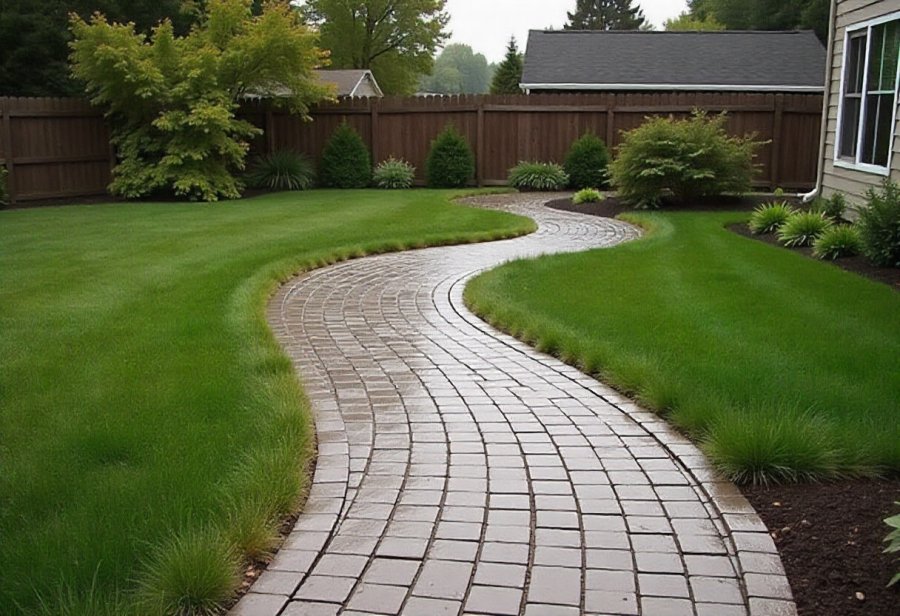
Maximizing Flood Control and Water Quality with Permeable Surfaces
Permeable pavers are highly effective tools for reducing urban flooding. They work by allowing rainwater to pass through their porous surfaces and infiltrate the ground beneath, instead of rushing off into storm drains. This natural process significantly cuts down the volume of surface runoff during heavy rains, helping cities avoid street flooding and overwhelmed drainage systems. By absorbing water at its source, permeable pavers not only prevent pooling but also slow the flow of water, giving it more time to seep into the soil.
In addition to flood reduction, these pavers boost groundwater recharge. When rainwater filters through the porous layers, it replenishes underground aquifers that are essential for drinking water supplies and ecosystem health. As water moves through the system, pollutants like oils, sediments, and chemicals are naturally filtered out, leading to cleaner runoff that benefits waterways and reduces water pollution. This dual function makes permeable pavers a smart, environmentally friendly choice for urban water management.
Evidence from cities like Portland, Oregon, demonstrates their effectiveness. Studies show that permeable paving can decrease runoff by up to 40%, especially in parking lots and streets where stormwater issues are most acute. Scientific research confirms that these surfaces can infiltrate up to 80% of annual stormwater, easing pressure on underground pipes and retention basins. Proper installation and routine maintenance, such as cleaning and debris removal, are key to maintaining their performance over time.
While challenges like clogging can occur, ongoing innovations are improving the reliability and ease of maintenance of permeable pavers. Advanced materials resist debris buildup, and better design techniques make cleaning simpler. When properly managed, these systems deliver consistent results over decades, proving their durability and long-term value. They are not a one-size-fits-all solution but, when integrated into a comprehensive water management plan, they significantly enhance urban resilience.
Beyond flood mitigation, permeable pavers contribute to healthier urban ecosystems. Their ability to filter pollutants helps improve water quality, while the recharge of groundwater supports local water cycles. Their aesthetic versatility also allows cities to create attractive, green spaces that encourage community use and engagement. This combination of functionality and design makes permeable paving a practical and appealing upgrade for urban environments.
It’s important to recognize that permeable pavers work best when part of a layered stormwater management approach. Combining them with rain gardens, green roofs, and underground storage creates a more resilient infrastructure capable of handling extreme weather events. Such integrated strategies not only reduce flood risks but also promote ecological sustainability and urban beautification.
The article Transforming Urban Water Management with Permeable Pavers by Lawson Zimmerman on EGK Professional Associates provides useful background.
As climate change intensifies rainfall patterns, permeable pavers stand out as a proven, adaptable solution. Their ability to manage stormwater naturally, recharge groundwater, and improve water quality makes them indispensable for future-proofing cities. The ongoing development of new materials and smarter designs promises even greater effectiveness and ease of use, solidifying their role in sustainable urban planning.
Real-World Applications and Benefits of Permeable Paving Solutions
Permeable pavers are becoming a common sight in urban landscapes, proving their practicality across a wide range of applications. In parking lots, driveways, and sidewalks, these surfaces effectively reduce runoff during storms, helping cities manage heavy rainfall more efficiently. When installed correctly, permeable pavers allow rainwater to pass through into the ground beneath, easing the load on stormwater systems and significantly lowering the risk of street flooding. Public spaces like parks and pedestrian zones also benefit, blending functionality with aesthetic appeal to create greener, more resilient environments.
The process starts with a detailed site assessment. Engineers evaluate soil permeability, traffic volume, and drainage needs to determine the best type of permeable paver for each project. Proper installation is crucial—this includes laying a sturdy base, securing edge restraints, and filling joints appropriately to maintain permeability and stability. Once in place, regular maintenance, such as sweeping and debris removal, ensures the pores stay clear and water flows freely. This upkeep extends the lifespan and effectiveness of the paving system, making it a reliable solution over decades.
Beyond flood control, permeable pavers play a vital role in groundwater recharge. As rainwater filters through the porous surface, it replenishes underground aquifers that support municipal water supplies and local ecosystems. This natural process also filters pollutants like oils and sediments, resulting in cleaner runoff that benefits waterways and reduces water pollution. Their versatility allows cities to design attractive, eco-friendly spaces that inspire community engagement while supporting environmental health.
This concept is further developed in Pres Foster‘s article Transforming Urban Flood Prevention with Innovative Permeable Pavers published on GTA Crier.
However, widespread adoption requires careful planning. Initial costs tend to be higher than traditional paving, and ongoing maintenance demands diligence to prevent clogging. Factors such as soil type, slope, and traffic load influence performance, making expert assessment essential. When these elements are managed well, permeable pavers deliver durable, cost-effective solutions that stand the test of time and climate variability.
Integrating permeable paving into urban planning complements other green infrastructure measures. Combining these surfaces with rain gardens, green roofs, and underground storage creates layered defenses against flooding. This holistic approach not only minimizes surface runoff but also enhances urban aesthetics, improves air quality, and promotes biodiversity. Such strategies make cities more adaptive and resilient in the face of increasingly severe weather patterns.
The benefits of permeable pavers extend beyond flood mitigation. They foster healthier urban ecosystems by filtering pollutants and supporting groundwater recharge. Their aesthetic potential helps transform functional spaces into inviting, community-friendly environments. As cities seek sustainable development solutions, permeable paving offers a practical, scalable option that aligns with ecological principles.
Looking ahead, technological innovations promise to improve performance and reduce costs further. Advances in eco-friendly materials, clog-resistant designs, and smart drainage systems are making permeable pavers even more effective and easier to maintain. As awareness grows and policies favor green infrastructure, these surfaces are set to become a standard feature in resilient urban landscapes. Their widespread adoption will help communities better adapt to climate challenges while creating more attractive, sustainable environments.
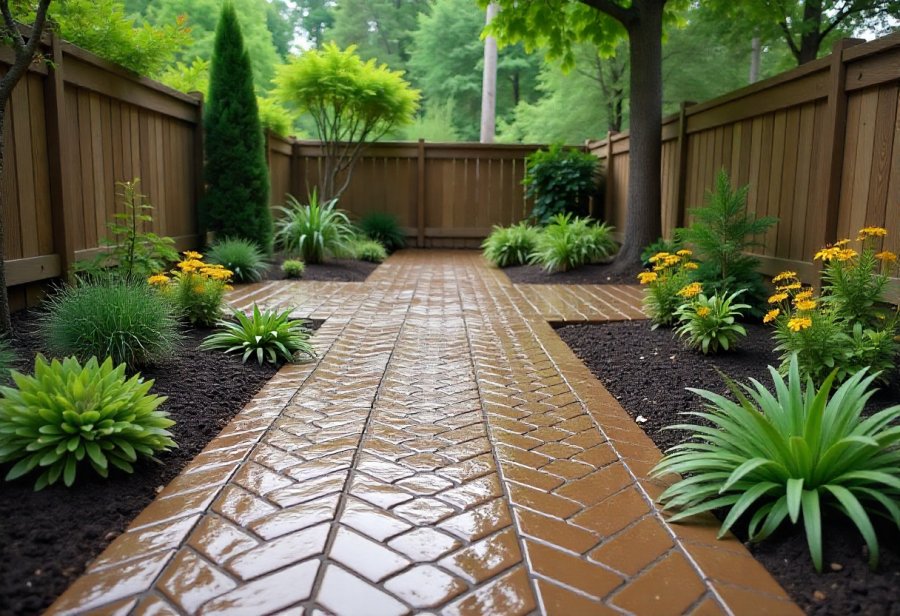
Future Trends and Innovations Shaping Sustainable Urban Water Management
As urban areas face increasingly severe weather patterns driven by climate change, permeable pavers stand out as a vital tool for building resilient cities. Their ability to allow rainwater to naturally infiltrate the soil reduces surface runoff, easing the load on stormwater systems and lowering the risk of street flooding. This natural process not only keeps streets clearer during storms but also supports groundwater recharge and filters pollutants, contributing to healthier waterways and ecosystems.
Looking ahead, ongoing innovations in materials and design promise to enhance the performance and affordability of permeable pavers. Eco-friendly, recycled materials are making these surfaces more durable, while smarter drainage technologies aim to prevent clogging and simplify maintenance. As urban planners and policymakers increasingly prioritize green infrastructure, permeable paving is gaining recognition as a standard solution for sustainable water management.
The integration of permeable pavers with other green infrastructure elements—such as rain gardens, green roofs, and underground storage—creates layered defenses against flooding. This holistic approach not only minimizes surface runoff but also boosts urban aesthetics, improves air quality, and fosters biodiversity. Such strategies make cities more adaptable, environmentally friendly, and attractive places to live and work.
As awareness grows and regulations evolve, the adoption of permeable paving is expected to accelerate across diverse projects—from small residential driveways to large-scale urban developments. Advances in design and materials will continue to extend lifespan, reduce costs, and ease maintenance, making these surfaces a practical choice for city officials and developers alike.
The future of permeable paving lies in its ability to seamlessly blend functionality with ecological responsibility. By mimicking natural water cycles, these surfaces help create communities that are not only safer during storms but also more sustainable overall. Their role in climate adaptation will become even more critical as cities seek innovative ways to manage water more effectively.
Incorporating permeable pavers into urban planning signals a shift toward smarter, greener development practices. This move toward sustainability not only addresses immediate flood risks but also supports long-term ecological health and community well-being. As technological advancements continue, permeable paving will become an indispensable element in creating water-smart, resilient cities.
The ongoing evolution of permeable pavers reflects a broader commitment to eco-conscious urban growth. With continued research, improved materials, and integrated infrastructure strategies, these surfaces will help cities better withstand climate challenges while enhancing quality of life. Their widespread adoption will forge a path toward more sustainable, adaptable, and resilient urban landscapes.
Embracing permeable paving as a standard practice marks a significant step forward in urban resilience. It aligns environmental stewardship with practical water management, ensuring communities are better prepared for the uncertainties of climate change. As these solutions become more accessible and refined, they will play a crucial role in shaping the future of sustainable urban living.