In a world where seamless, reliable communication is essential for staying competitive, traditional phone systems often fall short—costly, rigid, and hard to scale. Enter Grandstream’s revolutionary telephony solutions, designed to transform how organizations connect and collaborate. With a focus on customization, their devices and cloud management platforms empower businesses to craft tailored communication workflows, streamlining operations and enhancing customer experiences. But what truly sets them apart is the ability to deploy, monitor, and troubleshoot hundreds of endpoints remotely—speeding up deployment and boosting security. As businesses navigate hybrid and remote work, could this cutting-edge technology be the key to unlocking unparalleled network efficiency and growth? Grandstream’s innovative ecosystem not only offers high-quality hardware but also a strategic foundation for scalable, future-proof communication networks. Is your organization ready to embrace the smarter, more flexible way to connect and thrive?
Revolutionize Your Business Communication with Customizable Telephony Solutions
In today’s fast-moving business landscape, clear and reliable communication isn’t just a nice-to-have—it’s essential. Companies of all sizes rely on seamless connection to coordinate teams, serve customers, and stay competitive. When communication breaks down or becomes clunky, productivity suffers, and opportunities can slip away. That’s why upgrading to smarter, more adaptable telephony solutions is no longer optional; it’s a strategic move to keep your organization agile and responsive.
Traditional phone systems often fall short in meeting these demands. Rigid landlines and basic VoIP setups can be costly, difficult to scale, and hard to manage remotely. As your business grows or shifts toward hybrid and remote work models, these limitations become more apparent. The need for a system that adapts effortlessly to changing needs is clear—one that offers flexibility, ease of deployment, and the ability to integrate with modern digital tools.
This is where customizable telephony solutions come into play. Unlike off-the-shelf systems that force you into a one-size-fits-all mold, tailored setups allow you to design communication workflows that fit your specific operations. Features like flexible call routing, auto-attendants, and seamless integration with customer relationship management (CRM) platforms help streamline daily tasks and improve customer experiences. When your communication infrastructure aligns with your unique business model, you gain a competitive edge that’s both practical and scalable.
Cloud-managed telephony takes this flexibility even further. By leveraging cloud platforms, organizations can configure, monitor, and troubleshoot devices from anywhere, at any time. Zero-touch provisioning means new devices can be set up automatically, drastically reducing deployment times and eliminating unnecessary on-site support. This approach not only simplifies management but also ensures that your entire network remains synchronized, secure, and optimized for peak performance. It’s a game-changer for businesses aiming to expand rapidly without the headaches of traditional infrastructure.
Device management has become a critical factor in maintaining a resilient communication network. Centralized control platforms enable IT teams to oversee hundreds of devices across multiple locations from a single dashboard. They can push updates, troubleshoot issues, and adjust settings remotely, keeping operations running smoothly. When device management is straightforward and efficient, your organization can respond quickly to new challenges and opportunities, ensuring your communication system remains a reliable backbone for your growth.
Ultimately, investing in customizable telephony isn’t just about hardware upgrades; it’s about transforming how your organization connects. Modern solutions foster clearer, more dependable interactions and empower you to manage your communication channels proactively. As your business evolves, your system should evolve with it—becoming more flexible, scalable, and aligned with your strategic goals. This shift turns communication from a static necessity into a strategic advantage, setting the stage for ongoing innovation and success.
Master the Foundations: Telephony Technology, Network Infrastructure, and Device Management
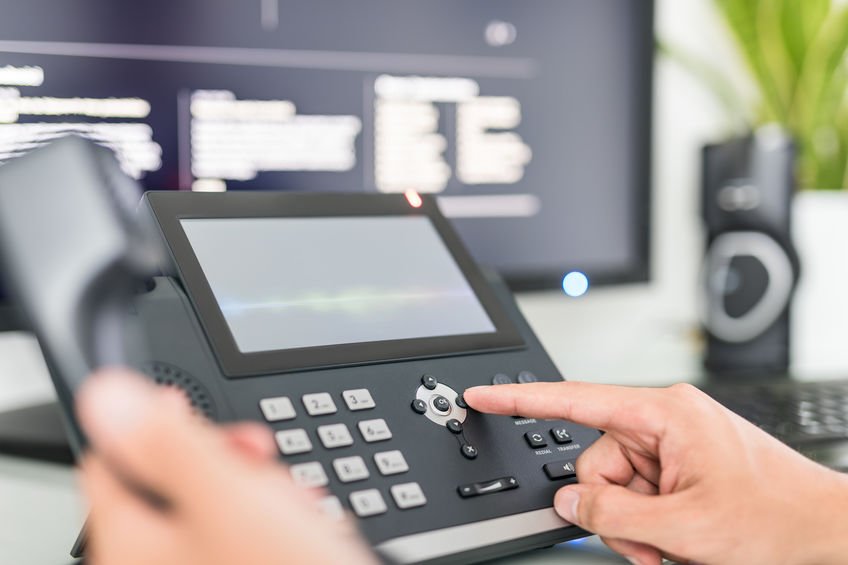
Getting a solid grasp of telephony technology and network infrastructure is essential for understanding how customizable communication systems operate. At its core, telephony involves transmitting voice signals, whether through traditional landlines or more modern internet-based systems like VoIP. Today, VoIP dominates because it leverages the internet to carry calls, offering greater flexibility, scalability, and cost savings. This shift means that the quality and reliability of your internet connection directly impact the clarity and performance of your calls.
A robust network forms the backbone of any effective telephony system. It’s not enough to have a basic internet connection; the network must be stable, secure, and well-designed to prioritize voice traffic. Routers, switches, and firewalls work together to ensure calls are seamless, free from lag, jitter, or dropped connections. Without a solid network foundation, even the most advanced devices can falter, disrupting communication when you need it most. Investing in quality network infrastructure is therefore critical for a reliable telephony setup.
Device management plays a vital role in maintaining an efficient communication environment. Centralized control platforms allow organizations to configure, update, and troubleshoot devices remotely, saving time and reducing the need for on-site support. Tools like Grandstream’s GDMS enable IT teams to oversee multiple endpoints across various locations from a single dashboard. This simplifies routine maintenance, accelerates deployment, and helps prevent issues before they impact daily operations. When device management is streamlined, organizations become more agile and better equipped to adapt to changing demands.
Choosing the right features and infrastructure tailored to your specific needs can make a significant difference. For example, a retail store might prioritize auto-attendants to handle high call volumes during busy hours, while a law firm may focus on secure lines for confidential discussions. Customization ensures your communication system supports your workflows rather than constraining them. It’s about designing a solution that’s flexible enough to grow with your business, accommodating new lines, devices, and integrations as needed.
The evolution from analog landlines to digital and IP-based solutions has transformed telephony. Analog systems, once standard, are costly and difficult to expand, limiting small and growing organizations. Digital systems introduced more flexibility, but VoIP revolutionized the field by transmitting voice over the internet. This approach reduces costs, enables advanced features like conferencing and call analytics, and supports open standards like SIP. SIP interoperability allows mix-and-match hardware and software, giving organizations the freedom to craft a customized, future-proof communication ecosystem.
Understanding these foundational elements—telephony technology, network design, and device management—empowers organizations to make smarter choices. Recognizing how these components work together helps in selecting reliable, scalable solutions that align with current needs and future growth. When the foundation is solid, the entire communication system becomes a powerful tool for collaboration, customer engagement, and operational resilience. Building on this knowledge ensures your organization’s communication infrastructure remains adaptable and robust in an ever-evolving digital landscape.
Navigating the Modern Communication Landscape: Cloud Power, Device Deployment, and System Interoperability
The way organizations communicate today is evolving rapidly, with IP-based systems leading the charge toward greater flexibility, scalability, and ease of management. Cloud-managed telephony solutions are increasingly popular because they allow businesses to deploy, configure, and monitor devices from anywhere, often with minimal manual intervention. This shift means companies can quickly adapt their communication infrastructure to support growth, remote work, or new operational needs without the heavy lifting associated with traditional setups.
Many organizations still rely on legacy landline systems or basic VoIP configurations, which often involve physical desk phones connected locally and managed through fragmented tools. While familiar, these systems come with notable limitations—being costly to expand, difficult to support remotely, and prone to issues like poor audio quality or dropped calls. As the demand for more reliable, versatile communication grows, these outdated solutions no longer meet the needs of a modern, dynamic business environment.
Cloud-managed telephony is transforming the landscape by enabling centralized control over all devices and settings. Features like zero-touch provisioning allow new hardware to be automatically configured once connected, greatly speeding up deployment across multiple locations. This approach reduces the need for on-site IT support, cuts down setup times, and ensures consistent performance. With real-time monitoring and remote troubleshooting, organizations maintain a resilient communication network capable of handling high call volumes and complex workflows seamlessly.
Interoperability plays a crucial role in today’s communication systems. Open standards such as SIP support diverse hardware and software from multiple vendors, giving organizations the freedom to customize their setups. This flexibility eliminates vendor lock-in, making it easier to integrate new devices or third-party solutions as needs evolve. Platforms like Grandstream’s GDMS unify device management into a single interface, simplifying ongoing maintenance and ensuring that the entire system remains synchronized, secure, and up-to-date.
Device features have advanced significantly, emphasizing high-quality audio, user-friendly interfaces, and customizable options. Auto-attendants, call routing, and voicemail are now standard tools that help streamline operations and improve customer interactions. Network optimization techniques, including Quality of Service (QoS) and VLAN segmentation, ensure voice traffic remains clear and uninterrupted, even during peak usage times. Centralized firmware updates and security patches keep devices current, reliable, and protected against emerging threats.
As communication technology continues to evolve, businesses are increasingly recognizing the value of flexible, cloud-managed, IP-based systems. These solutions provide not just better call quality and easier deployment but also a foundation for ongoing innovation. By embracing these modern tools, organizations can enhance operational efficiency, support remote and hybrid work models, and position themselves for future growth—all while maintaining control and security over their communication networks.

Grandstream Devices and Solutions: Elevate Your Business Connectivity with Reliable, Scalable Technology
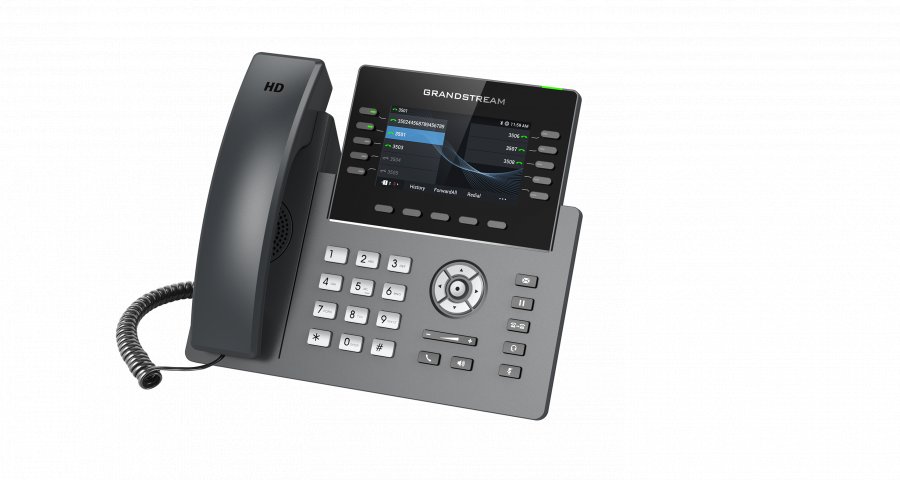
Grandstream offers a comprehensive lineup of telephony devices designed to meet the varied needs of today’s businesses, from small startups to large enterprises. Their IP phones are built with reliability and user-friendliness in mind, providing high-definition audio, intuitive interfaces, and a rich array of features that facilitate smooth, clear communication. Whether deploying a handful of phones or rolling out hundreds across multiple locations, organizations can trust Grandstream’s devices to support their growth and operational demands effectively.
A standout feature of Grandstream’s solutions is their emphasis on simplified device management. Through the centralized platform GDMS, organizations can configure, monitor, and update all connected endpoints remotely. This unified control streamlines deployment, reduces maintenance overhead, and ensures consistent performance across the entire network. IT teams can push firmware updates, troubleshoot issues, and fine-tune settings from a single dashboard, minimizing the need for on-site visits and enabling faster response times to operational needs.
Designed for seamless integration into cloud-managed environments, Grandstream’s devices support open standards like SIP, promoting interoperability with hardware and software from other vendors. This flexibility allows businesses to craft customized communication ecosystems that fit their existing infrastructure and future expansion plans. Whether upgrading existing systems or building new ones, organizations can incorporate Grandstream’s devices to create scalable, future-proof solutions that adapt as their workflows evolve.
The flagship series, the GRP line, exemplifies carrier-grade quality capable of supporting extensive deployments. These phones feature advanced provisioning options, making bulk deployment straightforward through zero-touch configuration. This not only accelerates rollout times but also reduces the workload on IT staff—particularly in multi-site setups. With robust security features and high-volume call handling, the GRP series provides a reliable backbone for organizations seeking efficient, secure communication channels.
Network optimization remains a core focus in Grandstream’s offerings. The devices support Quality of Service (QoS) settings, VLAN segmentation, and other network management tools that prioritize voice traffic. This ensures that call clarity remains high, even during peak network usage, preventing disruptions that could impact customer service or internal collaboration. Regular firmware updates delivered via cloud management platforms keep devices secure, compatible, and performing at their best over time.
Beyond hardware, Grandstream provides a suite of management solutions designed to enhance operational efficiency. These tools enable remote troubleshooting, real-time device monitoring, and scalable deployment strategies that grow with your organization. Such features help maintain a resilient communication environment, allowing quick adaptation to operational shifts and minimizing downtime. This comprehensive approach ensures your communication network remains reliable, secure, and aligned with your strategic goals.
Investing in Grandstream’s solutions isn’t just about acquiring high-quality hardware; it’s about establishing a flexible, dependable communication environment. Their devices and management systems empower organizations to build tailored setups that support high-quality voice calls, secure data transmission, and effortless control. These capabilities align perfectly with the broader goal of creating scalable, resilient networks that serve as a strategic asset in today’s competitive landscape.
In essence, Grandstream’s ecosystem offers a seamless blend of reliable hardware and intelligent management, designed to make deployment and oversight straightforward. Whether you’re a small team or managing a vast enterprise, their solutions provide a trusted foundation for scalable, future-ready communication. As the industry continues shifting toward cloud-managed, IP-based systems, choosing Grandstream ensures your network remains adaptable, secure, and prepared for ongoing growth.