What if the greatest strength of a leader isn’t external conquest but inner discipline? Marcus Aurelius’s life exemplifies this paradox—ruling an empire while mastering his own passions and emotions. His writings in *Meditations* reveal that true power stems from self-control, moral clarity, and resilience amid chaos. This internal steadiness not only fosters trust and loyalty but also becomes a lasting legacy, far beyond fleeting victories. Today’s leaders face rapid change and external pressures; cultivating inner discipline through daily reflection, mindfulness, and moral steadfastness offers a pathway to genuine influence. Could mastering oneself be the ultimate form of leadership? Marcus’s example reminds us that authentic authority begins within, turning internal mastery into external impact. In a world obsessed with external success, the quieter, enduring power of inner discipline may be the most transformative force of all.
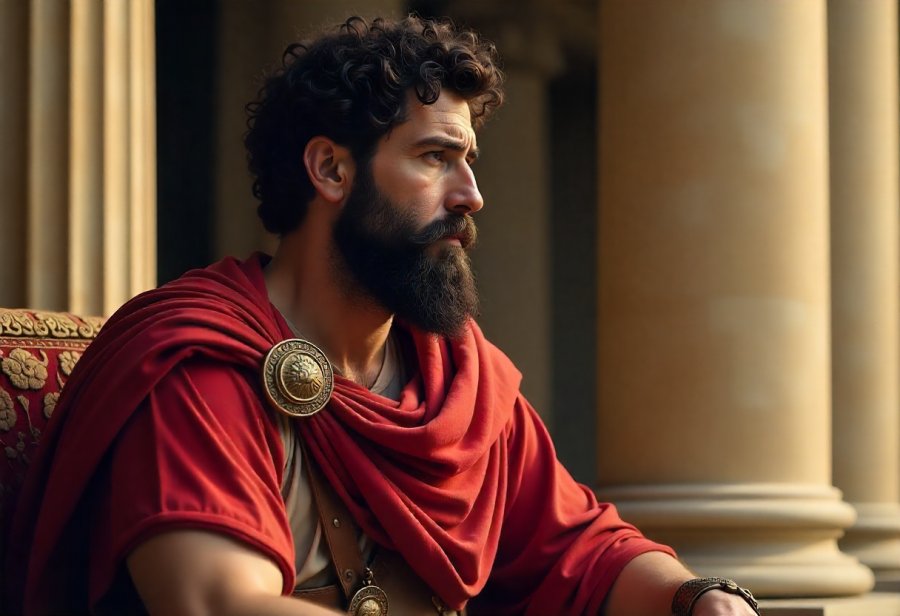
Uncover the Hidden Power of Inner Discipline in Leadership
Leadership often conjures images of outward displays—victories, influence, and material success. We tend to assume that the most powerful leaders are those who triumph in battles, expand their reach, or amass wealth. But beneath these visible signs of strength lies a quieter, more fundamental source: inner discipline. This isn’t about rigid rules or suppressing emotions for their own sake; it’s about mastering oneself—controlling impulses, managing feelings, and maintaining clarity of mind. When leaders develop this internal resilience, they become more adaptable and better equipped to handle crises, make thoughtful decisions, and earn genuine trust.
Inner discipline forms the foundation for authentic leadership. It’s about cultivating self-mastery—being in control of reactions and thoughts, especially when faced with adversity. Leaders who build this inner strength exude a calm confidence that inspires loyalty because they act from a place of clarity rather than reaction. Developing this resilience takes effort and reflection, but over time, it becomes part of who they are. This steadiness during turbulent times not only sustains them but also sets a powerful example for others to follow.
Throughout history, figures like Marcus Aurelius understood that inner discipline is essential for effective leadership. Their lives and writings show that mastery over passions and reactions underpins their ability to govern wisely. Marcus’s Meditations reveal a leader committed to self-control and moral integrity, even amid chaos. His calmness and clarity allowed him to face external pressures without losing his footing, proving that true strength lies within. This internal steadiness created trust and respect—qualities no external conquest could secure.
In today’s fast-paced world, the importance of inner discipline remains just as relevant. It’s cultivated through daily habits—reflection, mindfulness, and deliberate practice—that strengthen mental resilience. Recognizing emotional triggers and practicing patience help leaders stay centered amid external chaos. This internal focus not only improves decision-making but also fosters a sense of stability within organizations, inspiring confidence and loyalty. Developing inner discipline is an ongoing process, but it’s one that pays dividends in authentic, lasting leadership.
The path toward inner discipline isn’t about perfection but continuous growth. It’s about consistently nurturing resilience, self-awareness, and moral clarity. Leaders who prioritize this inner work can navigate complex environments with confidence and integrity. Their calm, centered presence inspires trust and loyalty in others, creating a culture of stability and purpose. As they nurture inner strength, they become more effective at guiding their teams through uncertainty and change.
Marcus Aurelius’s example remains a powerful reminder: internal mastery anchors external influence. His emphasis on self-control and moral clarity shows that lasting leadership begins within. By making inner discipline a daily practice, modern leaders can build a foundation that withstands external chaos and leaves a meaningful, enduring legacy. Ultimately, strength rooted in self-mastery is the greatest power any leader can possess.
Foundations of Resilience and Self-Mastery in Leadership
Inner discipline in leadership is fundamentally about the ability to govern your own thoughts, feelings, and impulses, especially when faced with difficulty. It’s not just about following rules but about developing resilience—the capacity to recover from setbacks without losing your composure—and self-mastery, which involves a deep understanding of your motivations and reactions. Leaders who cultivate this inner strength radiate a quiet confidence that naturally inspires trust and loyalty, because their actions stem from clarity rather than reactionary impulse.
Building this kind of resilience requires consistent effort, deliberate reflection, and daily habits. Practices like mindfulness, journaling, or simply pausing to assess emotions help strengthen mental fortitude. When leaders recognize their emotional triggers, they gain the power to choose a measured response instead of falling into reactive patterns. This awareness fosters patience and allows them to act with purpose, even amid chaos. Over time, these habits embed themselves into character, creating a foundation of steadiness that others rely on.
Throughout history, philosophies like Stoicism have emphasized that inner discipline is the true source of strength. Thinkers such as Seneca, Epictetus, and Marcus Aurelius believed that external events are beyond our control, but our reactions are within our power. They championed mastering passions, directing emotions wisely, and maintaining moral integrity. Leaders who embrace this mindset understand that resilience isn’t about suppressing feelings but about understanding and guiding them. Such mastery enables leaders to navigate adversity with calm and moral clarity, setting a powerful example.
Developing inner discipline also involves managing emotional triggers and maintaining clarity of purpose. Recognizing what sparks impulsive reactions allows leaders to pause and respond thoughtfully. This deliberate approach cultivates patience, humility, and focus—qualities that gradually become second nature. When these traits are ingrained through consistent practice, they form a mental environment where resilience and clarity flourish, making leadership more authentic and effective.
Inner discipline isn’t achieved overnight; it’s an ongoing process of nurturing resilience, self-awareness, and moral steadiness. Leaders who prioritize this internal work create a steadying presence that inspires confidence. Their calm, centered approach encourages trust and loyalty, even during turbulent times. As they deepen their internal strength, they become better equipped to face challenges with integrity, guiding their teams through uncertainty with wisdom and purpose.
In the end, cultivating inner discipline transforms leadership into a lasting influence rooted in self-mastery. It shifts the focus from external accomplishments to the strength of character, which endures beyond fleeting successes. Leaders who commit to this inner growth develop a resilience that withstands external pressures, leaving behind a legacy of integrity and moral authority. This internal strength, grounded in self-control and clarity, truly embodies the essence of authentic leadership.
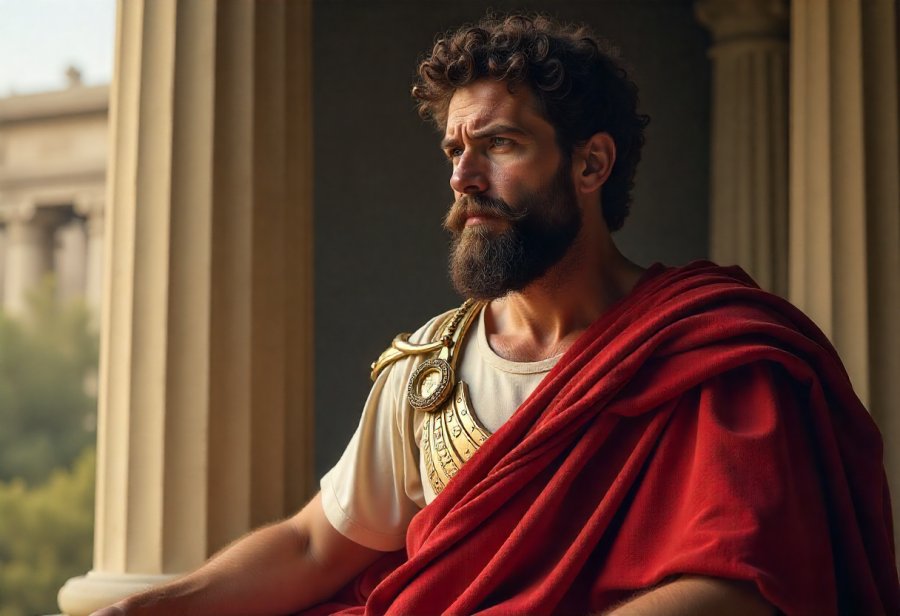
Marcus Aurelius: The Philosopher-King’s Lesson in Inner Strength
Marcus Aurelius exemplifies leadership rooted in inner discipline and wisdom. As Roman emperor from 161 to 180 AD, he faced relentless external threats—wars, plagues, and political upheaval—yet his internal resilience remained unshaken. His writings in *Meditations* reveal a man committed to Stoic principles: mastering passions, practicing self-control, and maintaining moral integrity amid chaos. These reflections weren’t just private musings; they were a blueprint for how a leader could govern himself with dignity and clarity.
His life demonstrates that true power begins within. Despite commanding a vast empire, Marcus believed that external authority was secondary to the mastery of one’s own mind and emotions. His calm demeanor in the face of adversity set a moral example, inspiring loyalty and trust from those around him. When chaos threatened to overwhelm him, he turned inward, drawing strength from his disciplined mind and unwavering principles. That internal steadiness became his greatest asset.
Marcus’s leadership wasn’t about dominance or superficial displays of strength. Instead, it was about self-mastery—controlling passions and staying centered amid external turmoil. His ability to remain composed during wars and plagues gave him the clarity to make wise decisions, and his moral compass guided him through difficult choices. His example proves that the most enduring influence stems from inner discipline, not external conquest.
His writings offer timeless insights: “Control your mind,” and “Choose not to be harmed—and you won’t be.” These words underscore that resilience and moral clarity are the bedrock of authentic leadership. When leaders govern themselves first, they create a foundation of trust that withstands external pressures. Marcus showed that internal virtues like patience, humility, and integrity are the true sources of strength, far beyond any external display of power.
Some might argue that strategic skills and political acumen are equally vital. While true, Marcus’s example emphasizes that internal mastery enhances these abilities. A leader who commands his own passions and reactions is better equipped to navigate crises, act with fairness, and inspire genuine respect. His life reminds us that internal virtues are the real pillars of lasting influence.
In today’s world, Marcus Aurelius’s example remains profoundly relevant. In an era obsessed with external success, his focus on internal discipline offers a vital counterbalance. Cultivating patience, moral clarity, and resilience creates a stable foundation that can weather any storm. His life demonstrates that wisdom and self-control are the greatest forms of power a leader can possess—empowering not just their own rule, but also inspiring others to follow with integrity.
His legacy endures because he understood that leadership begins within. Inner discipline isn’t a fleeting trait but a lifelong pursuit—one that deepens through consistent effort. Marcus’s life proves that mastery over oneself transforms external influence into something lasting and meaningful, making him a true philosopher-king for all time.
Harnessing Inner Discipline for Modern Leadership Success
Cultivating inner discipline in today’s fast-moving, often chaotic world requires intentional effort and daily habits. Leaders can start by carving out moments for reflection—whether through journaling, meditation, or quiet contemplation—to build self-awareness and mental clarity. These practices create space to examine emotions, identify triggers, and develop a calmer, more deliberate response to external pressures.
Developing resilience means shifting how setbacks are perceived. Viewing challenges as opportunities to learn rather than failures strengthens the capacity to stay centered during stress. When leaders approach obstacles with curiosity and patience, they reinforce their ability to respond thoughtfully rather than react impulsively, fostering greater trust and stability within their teams.
Building a support network also plays a crucial role. Connecting with mentors, peers, or coaching groups focused on inner growth provides accountability and fresh perspectives. Reading Stoic classics like Marcus Aurelius’s *Meditations* or Epictetus’s *Discourses* offers ongoing inspiration, reminding leaders of the importance of managing emotions and acting with integrity. Incorporating simple mindfulness exercises or breathwork into daily routines helps reinforce emotional regulation, anchoring inner discipline amid distractions.
Setting clear intentions aligned with core values guides decision-making and helps resist temptations of shortcuts or ego-driven choices. Regularly reflecting on progress and setbacks makes these habits more deliberate, transforming them into second nature. Over time, patience and consistency embed resilience and clarity into one’s leadership style, creating a mental environment where calmness and purpose thrive.
Inner discipline isn’t built overnight. It’s an ongoing process of nurturing resilience, self-awareness, and moral steadiness through small, mindful actions. Pausing before responding to emails, resisting reactive impulses during disagreements, or practicing gratitude are simple yet powerful steps that gradually strengthen internal resolve. These acts cultivate a mental landscape where discipline and focus become natural, enhancing overall effectiveness.
This continuous effort shapes a steady leadership presence that inspires confidence and trust. Leaders who prioritize inner growth create a culture of stability, even amid external turbulence. Their calm, centered approach encourages others to follow suit, fostering resilience across the organization. As their internal strength deepens, they handle complexity with clarity and moral integrity, making their influence more enduring.
The journey toward inner discipline is ongoing, but it’s a commitment worth every effort. It’s about becoming increasingly aware of oneself and intentionally shaping responses. Over time, this internal work transforms leadership from superficial displays of power into a lasting, principled influence rooted in self-mastery. Leaders who embrace this path not only elevate their own effectiveness but also set a powerful example for others to follow.
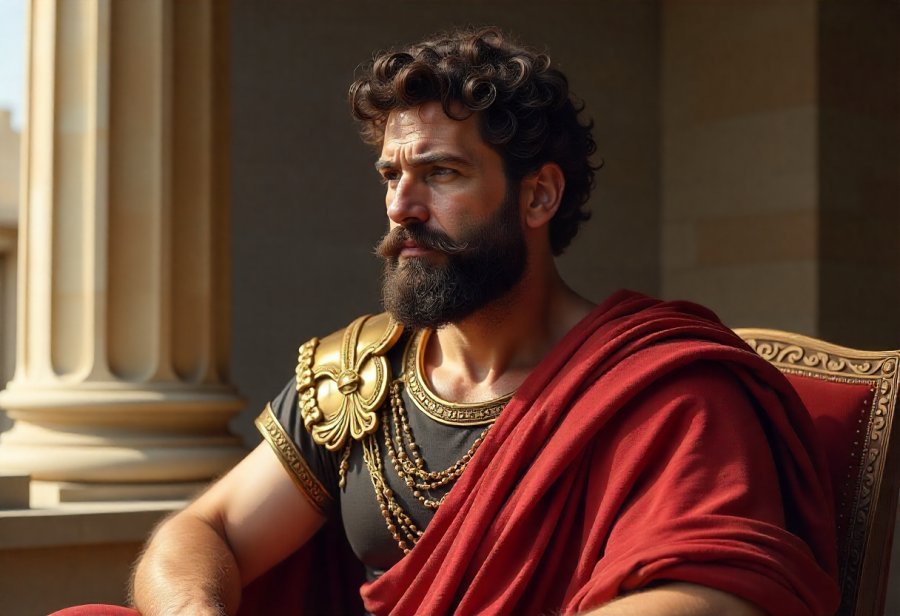
Embracing Inner Discipline: The Key to Lasting Influence and Authentic Leadership
Inner discipline remains one of the most vital qualities for anyone stepping into a leadership role. It serves as the foundation for genuine strength, guiding leaders through chaos with calmness, clarity, and purpose. Reflecting on Marcus Aurelius’s life, it’s clear that true influence isn’t built on external victories or titles but on mastery over oneself. Resilience, wisdom, and self-control are cultivated through ongoing effort and intentional practice, becoming deeper with each step.
Leaders who prioritize inner discipline act from a place of moral steadiness, inspiring trust and loyalty in those they serve. When external circumstances shift rapidly, it’s the internal steadiness—the ability to stay centered—that determines how effectively a leader responds. This internal resilience creates a sense of stability others recognize and respect, turning fleeting external success into lasting influence. By focusing on developing this inner strength, leaders unlock a power that is both authentic and enduring.
The journey toward inner discipline is lifelong. It demands daily habits—reflection, mindfulness, patience—that reinforce resilience and moral clarity. Each small act of self-awareness and deliberate response builds toward a more centered, composed presence. Over time, these habits become second nature, transforming leadership into a steady force rooted in integrity. Leaders who embrace this continuous growth deepen their capacity to guide with confidence, even when faced with adversity.
Marcus Aurelius exemplified this principle perfectly. His writings reveal a leader who understood that mastery over himself was the true source of power. His calm in the face of external chaos and his unwavering moral compass allowed him to govern with dignity. His example shows that internal virtues like patience, humility, and clarity are the bedrocks of influence that lasts beyond fleeting external achievements.
This focus on inner discipline is not about suppressing vulnerability or emotions but about understanding and directing them with wisdom. Cultivating self-awareness enables leaders to respond thoughtfully rather than react impulsively, fostering trust and respect. It’s a skills-based process, reinforced through consistent effort, that shapes a resilient mindset capable of navigating complex challenges.
Leaders who commit to this internal work create ripples in their organizations. Their calm presence and principled decisions inspire confidence, fostering a culture of stability and integrity. This internal strength becomes a strategic advantage—one that withstands external turbulence and leaves a meaningful legacy. The power of self-mastery, therefore, is the greatest influence a leader can wield.
This pursuit is ongoing, but every step taken toward inner discipline enhances leadership effectiveness. It’s about becoming more aware of oneself and intentionally shaping responses. Over time, this inner work elevates leadership from superficial authority to a lasting, principled influence rooted in authentic strength. Leaders who embrace this path not only improve their own impact but also set a powerful example for others to follow.