Discover how mastering calm walking with your dog can transform your bond—are you prepared to turn daily outings into peaceful, mutual moments of trust? This guide reveals that a relaxed, focused dog not only makes walks more enjoyable but also enhances safety and obedience beyond the leash. By understanding your dog’s behavior and applying positive reinforcement, routines, and patience, you can cultivate a peaceful walking experience that fosters confidence and reduces stress. From addressing common challenges like pulling and distractions to building a consistent routine, this approach emphasizes humane, effective techniques that deepen your connection. As your dog learns to stay attentive and calm, each walk becomes an opportunity for shared joy and mutual respect. Ready to unlock this harmonious routine? Embrace these proven strategies to turn regular walks into meaningful, tranquil adventures that strengthen your relationship and create lasting peace.
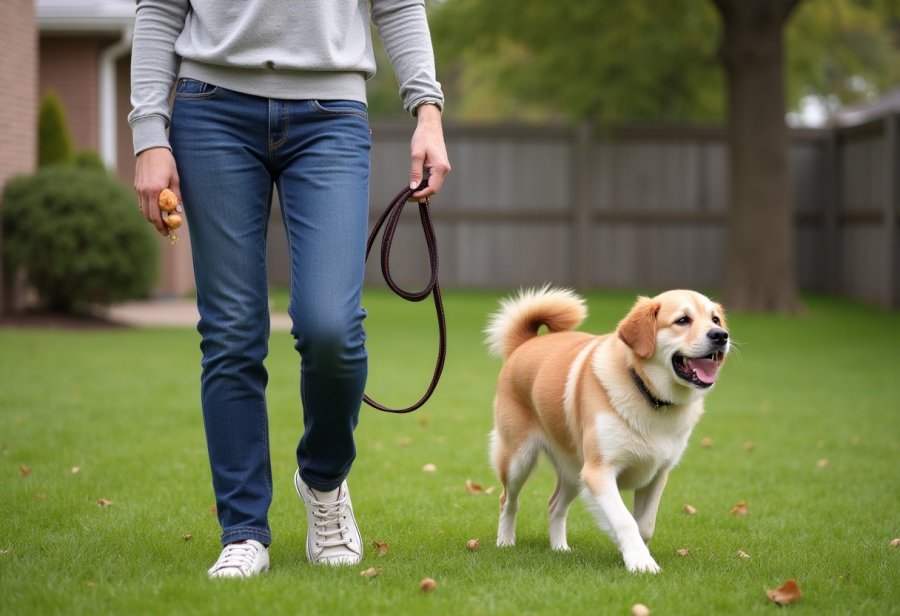
Harness the Power of Calm: Strengthen Your Bond with Every Step
Walking calmly with your dog isn’t just about good manners—it’s a meaningful way to strengthen your bond. When your dog learns to stay relaxed and attentive by your side, each walk becomes a shared moment of trust and understanding. It’s about more than simply following commands; it’s about creating a peaceful routine that both of you enjoy and look forward to. This calm approach sets a positive tone for your relationship, laying a foundation of mutual respect and confidence.
Achieving this level of calmness requires clear communication and patience. As your dog begins to focus on you rather than distractions, you’ll notice their behavior becoming more consistent and relaxed. It’s not about perfection but steady progress—small victories like walking without pulling add up over time. The more you practice, the more natural calm walking becomes, transforming what used to be stressful chores into bonding moments.
This approach also benefits your dog’s overall well-being. When they feel secure and understood, they tend to be less anxious, especially in unfamiliar environments. These peaceful walks foster a sense of safety, making your dog more responsive and attentive. As trust deepens, you’ll find it easier to guide them through more complex training or social situations, further strengthening your connection.
Incorporating calm walking into your routine isn’t just about managing behavior—it’s about nurturing a relationship rooted in patience and shared calm. Every step taken together, whether around the neighborhood or in a park, builds trust and creates a harmonious experience. In the end, these peaceful walks become a daily ritual that enhances the bond you share with your dog, making every outing a moment of mutual joy.
Foundations of Peace: Understanding Dog Behavior and Training Principles
Understanding your dog’s behavior is the key to teaching calm walking. Dogs are naturally curious and easily distracted, especially in unfamiliar or busy settings. Recognizing early signs of overstimulation or stress allows you to respond before behaviors escalate, helping to keep the walk peaceful. Using positive reinforcement—treats or praise—to reward calm, attentive actions creates positive associations that encourage your dog to repeat them. Consistency, clear cues, and patience are essential; routines that make your dog feel secure lead to more cooperative behavior and a calmer demeanor.
Leash manners are fundamental to this process. Teaching your dog to walk politely without pulling involves guiding gently and rewarding their focus on you. A loose leash signals that calm, controlled walking is effective and rewarding. When your dog pulls ahead, stopping immediately and waiting for them to return to your side teaches that pulling gets no results. This approach naturally reinforces the idea that staying close and attentive is the way to earn rewards, building trust and good habits over time.
Modern training emphasizes humane, reward-based techniques rather than harsh corrections. Such methods foster trust and make training more enjoyable for both of you. Understanding your dog’s individual temperament—whether anxious, energetic, or cautious—helps you tailor your approach, ensuring progress without stress. Managing distractions gradually, starting in quiet areas and increasing stimulation as your dog improves, helps them learn to stay focused across different environments and situations.
Creating routines in familiar, calm settings sets the stage for success. Walking in quiet neighborhoods or during less busy times helps your dog stay relaxed and attentive. Reinforcing calm behaviors with praise and treats during these sessions builds confidence and makes calm walking a habit. As your dog begins to rely on this routine, it becomes easier to maintain their focus and calmness, turning training into a natural part of your daily life together.
Step-by-Step Guide to Teaching Calm Walking: Techniques and Tips
Teaching your dog to walk calmly at your side involves clear commands, consistent routines, and plenty of positive reinforcement. Start by introducing a focus cue, like “look at me,” to grab your dog’s attention before you begin walking. Practice the “heel” command in a quiet setting, rewarding your dog with treats or praise when they stay close without pulling. Keep the leash loose to give your dog freedom to move naturally, but guide gently to maintain control. When pulling occurs, stop immediately and wait until your dog returns to your side before moving forward again, teaching that pulling isn’t effective.
Gradually increase the challenge by introducing new environments and distractions. Begin in less busy areas and slowly progress to more stimulating settings, rewarding your dog for maintaining focus. Short, frequent sessions work best, helping your dog build confidence without becoming overwhelmed. Consistency is key—repeating these steps helps your dog understand what’s expected and creates a sense of predictability. Celebrate small victories, like walking at your side without pulling or ignoring minor distractions, to reinforce good habits.
Patience remains vital throughout this process. Progress isn’t about perfection but steady improvement. When setbacks happen, return to basic focus exercises or reduce distractions temporarily. This reset allows your dog to rebuild attention and trust. Reinforcing calm, focused behavior with treats, praise, and a steady tone encourages your dog to stay engaged.
Building a calm walking routine also involves setting a peaceful environment. Choose familiar, quiet spaces where your dog can focus without excess stimuli. Approach each walk with patience and calmness, avoiding hurried commands that can increase excitement. Your own demeanor influences your dog’s behavior—remaining relaxed and confident will help them mirror that calmness.
Finally, remember that consistency and positive guidance are the pillars of success. Practice regularly, celebrate small wins, and gradually introduce new challenges. Over time, calm walking will become second nature, transforming your daily outings into enjoyable, bonding experiences that strengthen your relationship and create peaceful, joyful walks every day.
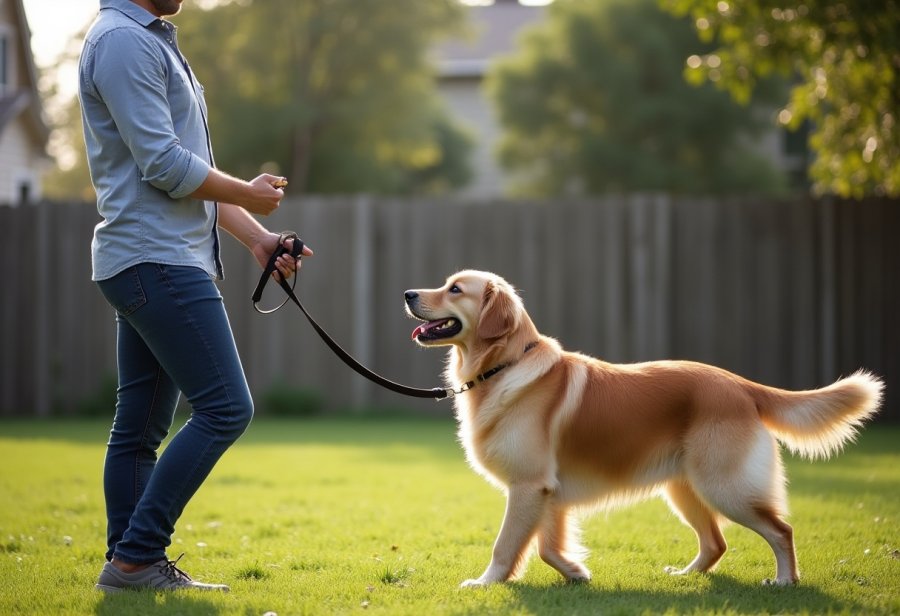
Transform Your Daily Life: Practical Benefits of Calm Walking Training
Practicing calm walking isn’t just about leash manners—it deeply influences your everyday life with your dog. When your dog reliably walks at your side without pulling or fussing, trips to the park or errands around town become smoother and more enjoyable. No more tugging or frantic chasing after distractions; instead, walks turn into shared moments of trust and understanding, strengthening your bond with each step.
A calm, focused dog feels more secure and confident, making social outings, vet visits, or busy environments less stressful. Over time, this sense of stability translates into better behavior beyond the leash, helping your dog stay relaxed in unfamiliar settings. The consistency you build in training sessions creates a foundation of trust that impacts every interaction, fostering a positive, respectful relationship.
Take, for example, Sarah and her Labrador Max. Once overwhelmed by busy parks and loud noises, Max’s focus and calmness improved through routine training. Now, walks are peaceful, and he approaches new places with curiosity instead of anxiety. This shift in behavior shows how calm walking can reshape your dog’s attitude and reactions, making everyday activities more pleasant for both of you.
Beyond obedience, calm walking enhances your connection. When your dog learns to stay attentive and relaxed, your communication deepens. It becomes easier to introduce new commands or activities, knowing your dog is receptive and confident. These shared experiences build trust, turning routine walks into enjoyable opportunities for bonding and mutual understanding.
Calm walks also make your dog safer. A focused, relaxed dog is less likely to pull into traffic or become overwhelmed in crowded areas. This attentiveness protects them and gives you peace of mind. As your dog’s confidence grows, so does their responsiveness to your cues, making every outing a safer, more harmonious adventure.
In the long run, consistent practice and patience turn calm walking into a natural part of your routine. These peaceful outings become a daily ritual—an act of teamwork that deepens your bond and enriches your shared life. Every calm walk reinforces trust, respect, and joy, transforming ordinary moments into meaningful connections that last a lifetime.
Creating a Consistent Routine for Peaceful Walks and Lasting Calm
Building a calm walk routine starts with establishing consistency. Dogs find comfort in routines because they create predictability, which reduces anxiety and makes learning new behaviors easier. Walking your dog at the same times each day along familiar routes helps set clear expectations, turning calmness into a default state. When your dog begins to associate specific times and places with relaxed behavior, it becomes second nature to maintain that peaceful mindset during every outing.
Creating a calm environment before stepping outside is equally important. Choose quiet, familiar locations where your dog isn’t overwhelmed by loud noises or overload of new sights. This sets a positive tone for the walk and encourages your dog to stay relaxed from the start. Approach each outing with patience, avoiding rushing or hurried commands that can ramp up excitement. Calm cues and steady pacing help your dog understand that the walk is a time for focus and tranquility.
Reinforcing good behavior with praise and treats during these routines builds confidence and helps your dog understand what’s expected. Consistency in your tone and actions signals steady leadership, which your dog will mirror. Over time, these routines become ingrained habits, making calm walking a natural part of your daily life together. Remember, patience and persistence are key—training a peaceful walk takes time, but the payoff is a stronger bond and more enjoyable outings for both of you.
Sustaining Success: Maintain and Enhance Your Calm Walking Skills
Maintaining the calm walking skills you’ve worked so hard to develop depends on consistent practice. Keeping to a regular routine helps reinforce calmness as the default behavior, making it easier for your dog to stay relaxed and attentive. Walking at the same times daily along familiar routes creates a sense of stability that your dog can rely on, gradually making calmness a natural part of every outing.
As your dog’s confidence grows, gradually introduce more varied environments—busier parks, new routes, or unpredictable distractions. Reinforce focus and calmness by rewarding attentive behavior, and don’t hesitate to revisit basic exercises if needed. Short, controlled sessions in different settings promote generalization, helping your dog remain composed regardless of surroundings. This approach deepens trust and resilience, making your dog more adaptable and confident.
Tracking progress can keep you motivated and focused. Use a journal or app to note how your dog responds in different situations, celebrating small wins like ignoring distractions or staying focused amid chaos. When setbacks happen, gently return to foundational exercises, reducing stimuli and re-establishing focus. Patience and persistence turn these moments into opportunities to strengthen your bond and reinforce good habits.
Your own calm demeanor plays a crucial role. Staying steady, confident, and patient signals reassurance, encouraging your dog to mirror your composure. Remember, setbacks are part of the learning process—they don’t erase progress but serve as reminders to adjust and reinforce your training approach.
Beyond leash manners, integrating calm activities like gentle grooming or quiet play can further reinforce your bond. These moments of relaxed connection show your dog that they are valued, secure, and loved. A dog that feels safe and appreciated is more likely to maintain calmness in future walks.
As your dog develops mastery, introduce slight variations—different times, environments, or levels of distraction—to ensure their skills stay sharp. This variety prevents reliance on specific cues or routines, helping your dog stay adaptable and calm across all situations. With ongoing practice, these behaviors become ingrained, making peaceful walks a reliable and enjoyable part of your shared life.
Finally, staying committed to regular reinforcement is key. Celebrate every effort and progress, no matter how small, and maintain a steady, positive attitude. Your consistent guidance and patience will turn calm walking from an accomplishment into a lasting habit. The result is a stronger bond, a more responsive companion, and daily walks filled with trust, joy, and mutual respect.
Overcoming Common Challenges on the Path to Calmness
Many common challenges in calm dog walking are natural hurdles that can be effectively managed with patience and a clear strategy. One of the most frequent issues is pulling on the leash. When your dog surges ahead, stopping immediately and patiently waiting for them to return to your side teaches that pulling won’t get results. Consistent, gentle corrections help your dog understand that walking calmly at your pace is more rewarding and effective.
Distractions like other dogs, people, or loud noises often divert your dog’s attention. Starting training in quieter environments and gradually introducing more stimulating settings helps your dog learn to stay focused despite external stimuli. Reward their attentive behavior consistently, so they understand that calm focus pays off everywhere.
Overexcitement or anxiety can make calm walking particularly tough. If your dog becomes overwhelmed, shorten sessions, use calming cues, and incorporate treats to help them relax. Some dogs have triggers based on their personality or past experiences, so tailoring your approach and being flexible can make a big difference. If persistent issues arise, consulting a professional trainer or behaviorist can provide personalized guidance.
Your reactions matter just as much as your training techniques. Remaining calm and steady signals confidence and reassurance, encouraging your dog to mirror your composure. Avoid frustration or impatience, which can escalate resistance or stress. Using gentle tools like harnesses or specialized equipment can also improve control and reduce pulling or distractions.
When setbacks happen, step back to basic focus exercises or reduce environmental stimuli. This reset allows your dog to rebuild attention and trust. Remember, consistency and patience turn these challenges into opportunities for growth, strengthening your bond and making future walks smoother.
Addressing these common issues with calm, deliberate actions ensures that training remains positive and effective. Over time, your dog will learn to navigate distractions and challenges with confidence, transforming walks into peaceful, bonding moments rather than stressful routines.
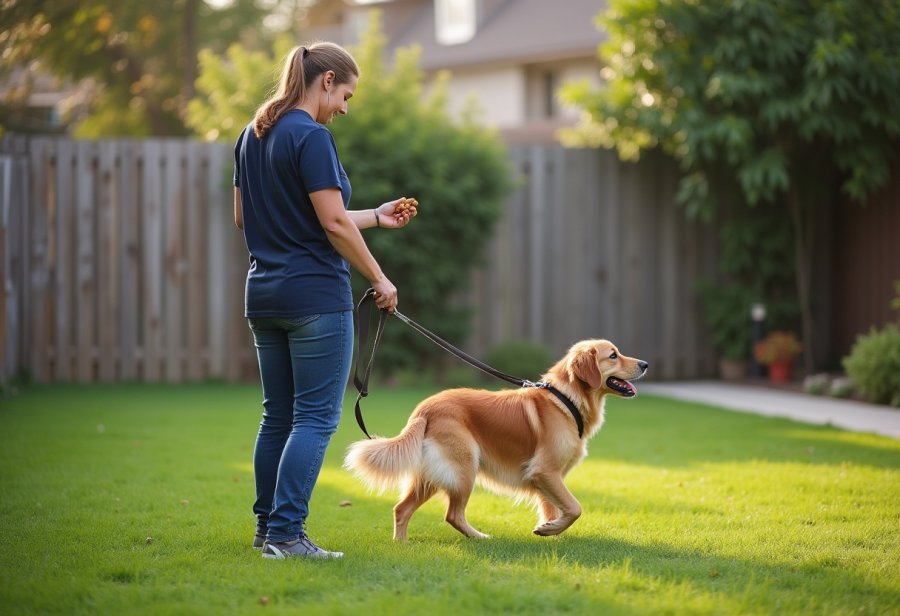
Key Focus Points for a Peaceful, Trusting Walk with Your Dog
A peaceful walk with your dog relies on key behaviors that build calmness and trust. Teaching your dog to walk calmly at your side is the foundation of a harmonious outing, showing them that staying focused and relaxed leads to positive experiences. Reward their attentive, relaxed behavior with treats or praise, reinforcing that calmness is both achievable and rewarding. Keeping the leash loose is equally vital; tension signals pulling, which can escalate frustration. When your dog pulls ahead, stopping and waiting for them to return to your side teaches that staying close and attentive is the best path forward.
Building trust is at the heart of a smooth walk. Your dog needs to see you as a steady, confident leader. Clear cues and consistent guidance strengthen this bond, encouraging your dog to remain attentive and calm even when distractions arise. Paying close attention to your dog’s body language helps you recognize early signs of overstimulation or stress, allowing you to adjust your pace or environment accordingly. Staying calm and patient reassures your dog and encourages them to mirror your demeanor, making the walk a shared experience of peace.
Routine plays a crucial role. Establishing familiar times and routes creates predictability, which helps your dog feel secure and reduces anxiety. Approach each walk with a calm attitude, avoiding hurried commands that can increase excitement. Positive reinforcement during these routines—praising calm focus and rewarding good behavior—cements the desired habits. Over time, these focus points become second nature, transforming walks from training exercises into enjoyable, bonding moments.
Varying your environment gradually keeps your dog adaptable. Introducing different settings, times, and levels of distraction ensures their skills stay sharp. This variety prevents reliance on specific cues and helps your dog generalize calmness across all situations. Consistent practice and patience are key; setbacks are part of the process and opportunities to reinforce trust and confidence. With steady guidance, calm walking becomes a natural, integral part of your relationship.
Remember, your own demeanor influences your dog’s behavior. Staying relaxed, confident, and patient signals reassurance and steadiness, encouraging your dog to do the same. Celebrate small successes and remain persistent, even when progress seems slow. Over time, these shared moments of tranquility deepen your bond, turning routine walks into peaceful, joyful experiences that strengthen your connection and make every outing enjoyable.
Finally, make calm walking a lasting habit by practicing regularly and maintaining your commitment. Reinforce good behaviors with praise and gentle corrections, and always approach challenges with calmness. As your dog learns to stay focused and relaxed, walks become less about control and more about shared trust. These peaceful outings will not only improve behavior but also foster a relationship rooted in mutual respect, confidence, and joy.