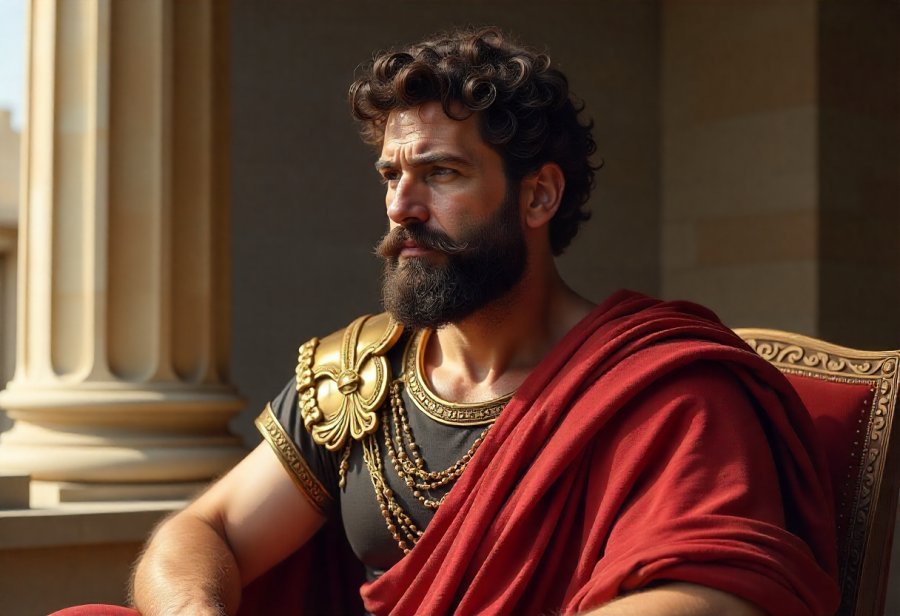
Friedrich Nietzsche’s rebellious ideas continue to reshape modern thought, challenging us to question inherited morals and embrace authentic self-creation. His declaration of the ‘death of God’ signifies a world where traditional authority crumbles, urging us to find meaning within ourselves amid increasing nihilism. Does this chaos inspire freedom or threaten our stability? Nietzsche’s concepts of the ‘will to power’ and the Übermensch push us toward relentless self-overcoming, daring us to forge new values beyond societal norms. His idea of eternal recurrence compels deliberate living, as every choice echoes infinitely—are we living with purpose or passivity? As his influence spreads into art, politics, and personal growth, his philosophy becomes increasingly relevant, offering a blueprint for resilience in an uncertain future. Can embracing chaos as strength lead us to genuine fulfillment? Nietzsche’s provocative visions challenge us to live boldly, question endlessly, and craft a future rooted in authenticity and courage.
Uncover Nietzsche’s Enduring Impact on Modern Thought
Friedrich Nietzsche’s ideas continue to reverberate through modern philosophy and culture, shaping how we understand ourselves and the world around us. His rebellious approach challenged centuries of accepted values, urging individuals to question authority and seek authentic self-expression. From psychology to contemporary art, his influence is woven into many fields, inspiring a mindset centered on personal freedom and self-creation.
Nietzsche’s critique of traditional morality and his rejection of absolute truths opened new pathways for thinking about human nature. His declaration of the “death of God” symbolizes the decline of universal authority, prompting us to find meaning within ourselves rather than relying on inherited beliefs. This shift has sparked ongoing debates about morality, identity, and independence—discussions that feel more urgent today than ever before.
At the heart of his philosophy lies a call to self-overcoming. Nietzsche urges us to craft our own values beyond societal norms, embracing chaos and uncertainty as opportunities for growth. His concept of the Übermensch, or “Overman,” embodies this ideal—someone who lives authentically and creates meaning in a world without fixed moral anchors. This vision continues to challenge us to push past comfort zones and forge a more genuine existence.
His idea of eternal recurrence further underscores the importance of living intentionally. If life repeats itself endlessly, then each moment takes on profound significance. Nietzsche invites us to act as if every choice echoes through eternity, encouraging deliberate living that aligns with our deepest truths. This perspective reinforces the value of authenticity amid life’s unpredictable currents.
Beyond philosophy, Nietzsche’s influence extends into art, politics, and personal development. His call for independence and resilience resonates with those seeking to break free from conformity. As new generations grapple with questions of purpose and societal expectations, his ideas serve as a vital reminder that authentic living requires continual questioning, reinvention, and courage.
Understanding Nietzsche’s thought is essential for grasping many cultural shifts today. His critique of inherited norms and his emphasis on individual agency fuel movements that prioritize self-determination. Recognizing his legacy helps us see how his rebellious spirit continues to inspire efforts toward personal and societal transformation.
In a rapidly changing world, Nietzsche’s philosophy offers a blueprint for resilience. His challenge to traditional authority and his celebration of chaos as a source of strength remain relevant. His ideas encourage us to rethink what it means to live fully and authentically, inspiring ongoing cultural evolution rooted in self-awareness and creative independence.
Foundations of Revolutionary Nietzschean Ideas
Friedrich Nietzsche’s revolutionary ideas didn’t emerge in a vacuum; they were shaped by the turbulent cultural and philosophical landscape of 19th-century Europe. During this era, rapid industrialization, scientific breakthroughs, and a widespread questioning of religious and societal structures created a climate ripe for upheaval. Traditional authority—religion, monarchy, and fixed moral codes—began to waver, opening the door for thinkers like Nietzsche to challenge the very foundations of human purpose and meaning.
At the heart of Nietzsche’s philosophy lies a sharp rejection of inherited values rooted in Christianity and Enlightenment rationalism. He saw these moral systems as life-denying, suppressing natural instincts and creativity. Instead, he proposed the “will to power”—a fundamental drive in all living beings to assert influence, grow, and shape their destiny. This idea stands in direct opposition to conventional morals that promote humility and obedience, urging us to embrace vitality and self-assertion instead.
Understanding key terms helps clarify his revolutionary stance. Nihilism, for instance, describes the feeling that life lacks inherent meaning—a consequence of losing faith in divine or universal truths. The “death of God” symbolizes this decline, signaling the collapse of absolute authority and the necessity of finding new sources of significance within ourselves. The concept of eternal recurrence challenges us to live as if every moment will repeat infinitely, pushing us to make deliberate choices and live authentically amid uncertainty.
Nietzsche’s critique also responded to the upheavals of secularism, scientific rationalism, and political revolutions. Philosophers like Kant and Schopenhauer had already begun dismantling traditional views, but Nietzsche took this further by viewing morality as a human construct born from weakness and resentment. The Übermensch, or “Overman,” embodies the ideal of someone who forges new values beyond societal norms, living courageously and authentically in a world without fixed moral truths.
These ideas—will to power, nihilism, the death of God—interconnect to form a radical blueprint for understanding human existence. Nietzsche challenges us to rethink morality and authority, emphasizing self-overcoming and resilience. His philosophy isn’t just abstract theory; it’s a call to question, rebel, and create meaning in a world where old certainties are crumbling. This foundation sets the stage for his most provocative themes, urging us to live boldly and forge our own path.
Challenging Norms: Key Themes and Their Modern Significance
Nietzsche’s major themes challenge us to rethink the very foundations of human existence and the values that shape our lives. Central to his thought is the idea of the “death of God,” which signifies the collapse of absolute moral authority. Without this divine anchor, traditional systems of morality lose their grip, leading to a sense of nihilism—where life can feel aimless and devoid of inherent purpose. Nietzsche saw this moment not just as a crisis but as an opening for individuals to forge their own meaning, rooted in strength and authenticity.
At the core of his philosophy is the “will to power,” a drive present in all living beings to assert influence, grow, and shape their destiny. Unlike fixed moral codes dictated from above, this concept emphasizes self-overcoming and continuous evolution. It urges us to push past societal constraints and internal limitations, fostering creativity and resilience. The will to power puts agency directly into our hands, encouraging us to define ourselves through action and effort rather than external expectations.
One of Nietzsche’s most provocative ideas is the Übermensch, or “Overman”—an ideal figure who creates new values beyond societal norms. The Übermensch lives authentically, embracing chaos and uncertainty as essential parts of self-creation. This figure rejects herd mentality, urging us to forge our own path, even when it’s difficult or uncomfortable. Achieving this requires courage, discipline, and a willingness to confront uncomfortable truths about ourselves and the world, making self-reliance and personal mastery vital.
The concept of eternal recurrence adds a poetic yet demanding dimension: life repeats itself endlessly. Nietzsche challenges us to live as if every moment will recur forever, pushing us to act with sincerity and purpose. Each decision takes on profound significance, urging us to live fully and authentically without postponing passions or values. This cyclical view encourages us to see every choice as part of a larger dance—an ongoing opportunity for self-creation and growth.
Together, these themes form a radical critique of inherited morality and a blueprint for personal empowerment. Nietzsche compels us to question what we’ve been told to believe, to embrace chaos as a source of strength, and to pursue continuous self-overcoming. His ideas aren’t just abstract concepts—they’re a call to action, inspiring us to live boldly, think independently, and redefine what it means to be truly alive. This ongoing challenge keeps his philosophy alive and relevant in today’s complex world.
Living Nietzsche: Applying Radical Philosophy in Daily Life
Applying Nietzsche’s ideas today means translating his radical philosophy into everyday life with clarity and purpose. It starts by questioning the norms and values that society often presents as givens. Instead of accepting these beliefs at face value, ask yourself why you hold them and whether they truly reflect your authentic self. Cultivating this habit of critical reflection allows you to carve out a life rooted in genuine beliefs and desires, rather than just conforming to external expectations.
Living according to the will to power involves pursuing what genuinely matters to you. Focus on your passions, set meaningful goals, and challenge yourself to step beyond comfort zones. When setbacks occur, see them as opportunities to grow stronger and more resilient. This mindset shifts the focus from seeking approval from others to building internal strength, giving you control over your personal story. Nietzsche’s idea of self-creation encourages shaping your life around your deepest values, not borrowed or imposed ones.
Practicing self-awareness is essential. Regular reflection—through journaling, meditation, or reading—helps clarify what you truly value. It highlights habits or beliefs that may hinder growth and reveals areas where change is needed. This ongoing process of self-overcoming isn’t a one-time effort but a continual journey of resilience and reinvention. Consistently questioning whether your actions align with your authentic self keeps you on a path of deliberate living.
Embracing chaos and uncertainty as catalysts for growth transforms challenges into opportunities. Instead of fearing the unpredictable, see it as a space for development. Experiment with new ideas, challenge societal norms, and explore different ways of being. This openness to change reflects Nietzsche’s call for constant self-overcoming, turning life’s inevitable chaos into a source of strength and authenticity. Living boldly in the face of uncertainty becomes a form of rebellion against complacency.
Engaging with Nietzsche’s writings can deepen this practical application. Start with accessible texts like *Thus Spoke Zarathustra* or *Beyond Good and Evil*, reading with curiosity and reflection. Consider how his concepts—such as the death of God or the Übermensch—can inform your personal experiences. Let these ideas become part of your inner dialogue, guiding decisions and reinforcing your commitment to living authentically. Over time, they transform from abstract theories into active principles shaping your life.
Applying Nietzsche responsibly means approaching his ideas with humility and critical thinking. His philosophy challenges us to question deeply ingrained beliefs, but it’s not an excuse for reckless rebellion or nihilism. Instead, see his teachings as tools for growth—ways to deepen your understanding of yourself and the world. Use them to foster resilience, independence, and a more conscious way of living, rather than as shortcuts around responsibility.
Ultimately, Nietzsche’s philosophy urges us to live intentionally and authentically. By questioning inherited values, embracing change, and actively creating our own meaning, we translate his rebellion into daily action. This approach turns philosophy into a practical guide for resilience and independence, empowering us to forge a life that reflects our true selves. In doing so, we carry his rebellious spirit forward, shaping a more genuine, resilient existence amid today’s complex and ever-changing world.
Future Visions: Embracing Nietzsche’s Legacy and Next Steps
Nietzsche’s ideas continue to ripple through modern culture, shaping how we perceive ourselves and the societies we build. His challenge to traditional morality and his call for individual self-creation remain powerful forces inspiring new generations to question authority and seek authenticity. As the world changes rapidly, his concepts like the death of absolute truths and living intentionally become more relevant than ever, urging us to confront complexity with resilience and clarity.
Looking ahead, deeper engagement with Nietzsche’s core principles can help us navigate the uncertainties of the future. His notion of the Übermensch, reinterpreted in today’s digital age, encourages us to cultivate strength and authenticity amid dissolving boundaries of identity. The idea of eternal recurrence can serve as a reminder to embrace the cyclical nature of change, urging us to act with purpose and integrity in every moment, knowing that each decision contributes to a larger ongoing process.
As cultural movements focus increasingly on independence and self-empowerment, Nietzsche’s influence is poised to grow. His rejection of herd mentality and emphasis on self-created values resonate with efforts to foster resilience and originality across art, politics, and personal growth. His philosophy offers a blueprint for cultivating inner strength, inspiring a culture that values critical thinking, creative independence, and ongoing self-overcoming.
In confronting global challenges—climate crises, social fragmentation, and ethical dilemmas—Nietzsche’s critique pushes us to rethink inherited norms. His call to craft new, sustainable values rooted in authenticity and human resilience remains vital. Embracing his emphasis on questioning the status quo encourages a mindset that is adaptable, innovative, and committed to continuous growth, qualities essential for shaping a better future.
His provocative ideas serve as catalysts for ongoing dialogue, inviting us to challenge complacency and seek deeper truths. The conversation around Nietzsche’s philosophy is far from over; it invites us to stay curious, question assumptions, and remain open to new interpretations. This active engagement ensures his influence remains vital, inspiring resilience and fostering a culture of continuous evolution.
As the world becomes increasingly interconnected and complex, Nietzsche’s emphasis on self-overcoming and authenticity offers valuable guidance. His principles can help individuals and societies thrive amid chaos, fostering innovation, empathy, and genuine self-expression. By integrating these ideas into our collective consciousness, we create space for growth and resilience, honoring his rebellious spirit and ensuring his legacy endures in shaping a more authentic, vibrant future.